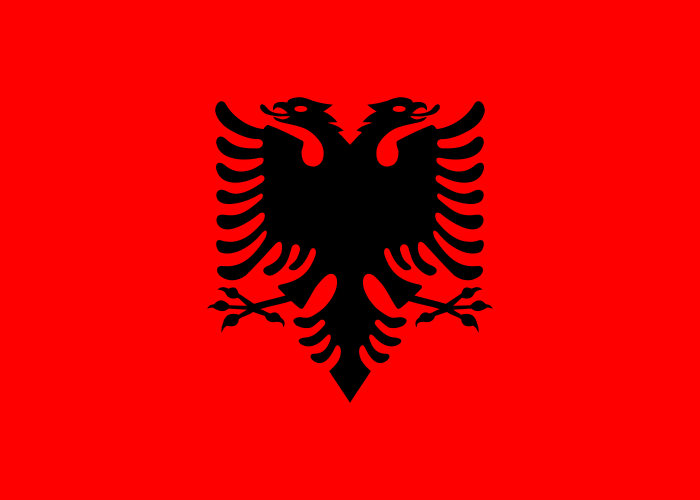
 Albania
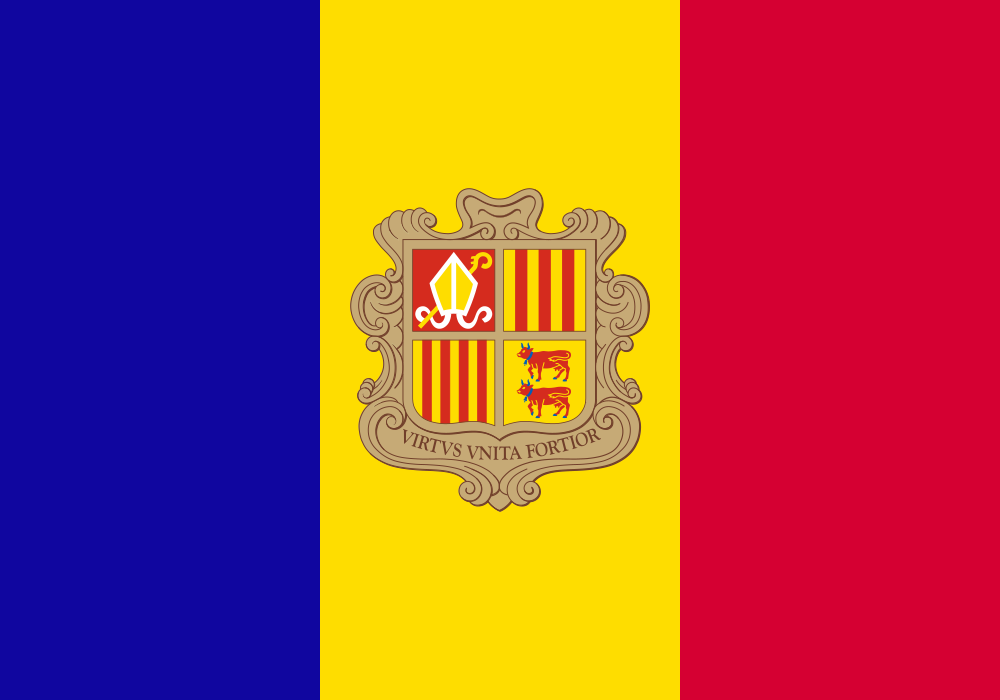 Andorra
 Austria
 Belgium
 Bosnia and Herzegovina
 Bulgaria
 Croatia
 Cyprus
 Czechia
 Denmark
 Estonia
 Finland
 France
 Germany
 Greece
 Hungary
 Iceland
 Ireland
 Italy
Italy Latvia
 Liechtenstein
 Lithuania
 Luxembourg
 Malta
Malta Moldova
 Monaco
 Montenegro
 Netherlands
 North Macedonia
 Norway
 Poland
 Portugal
 Romania
 Russia
 San Marino
 Serbia
 Slovakia
 Slovenia
 Spain
Spain Sweden
 Switzerland
 Turkey
 Ukraine
 United Kingdom
 Bahrain
 Iran
Iran Iraq
Iraq Israel
 Jordan
 Kuwait
 Lebanon
 Oman
Oman Qatar
Qatar Saudi Arabia
 United Arab Emirates
 Armenia
 Azerbaijan
 Bangladesh
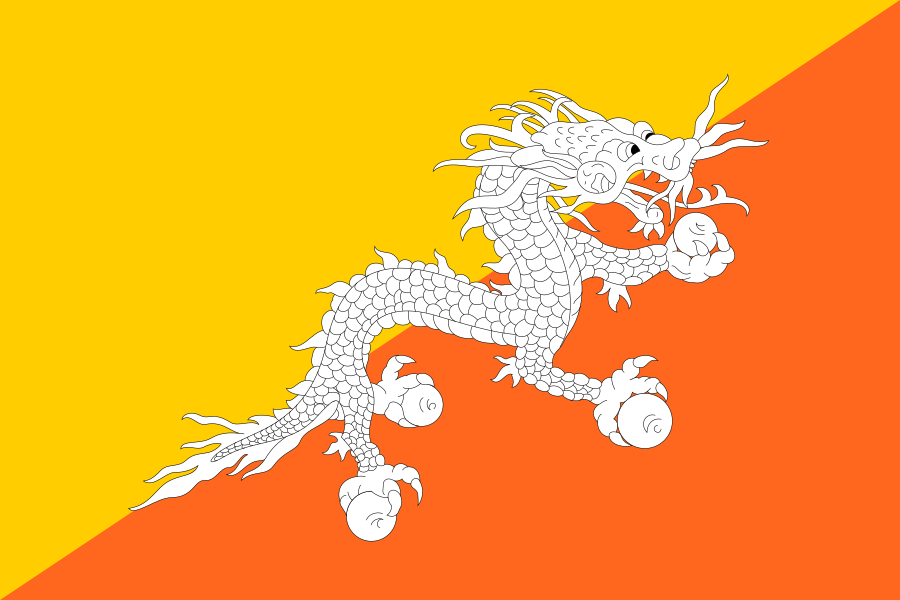 Bhutan
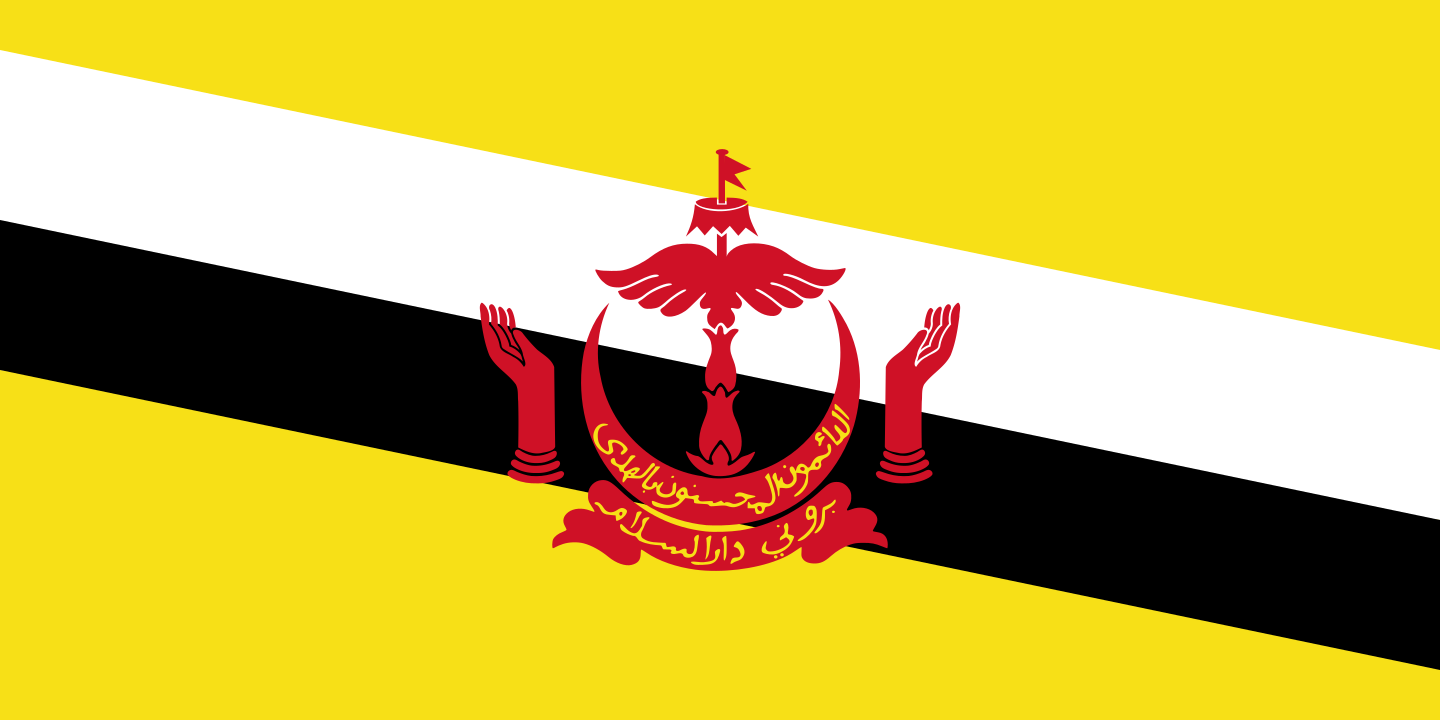 Brunei
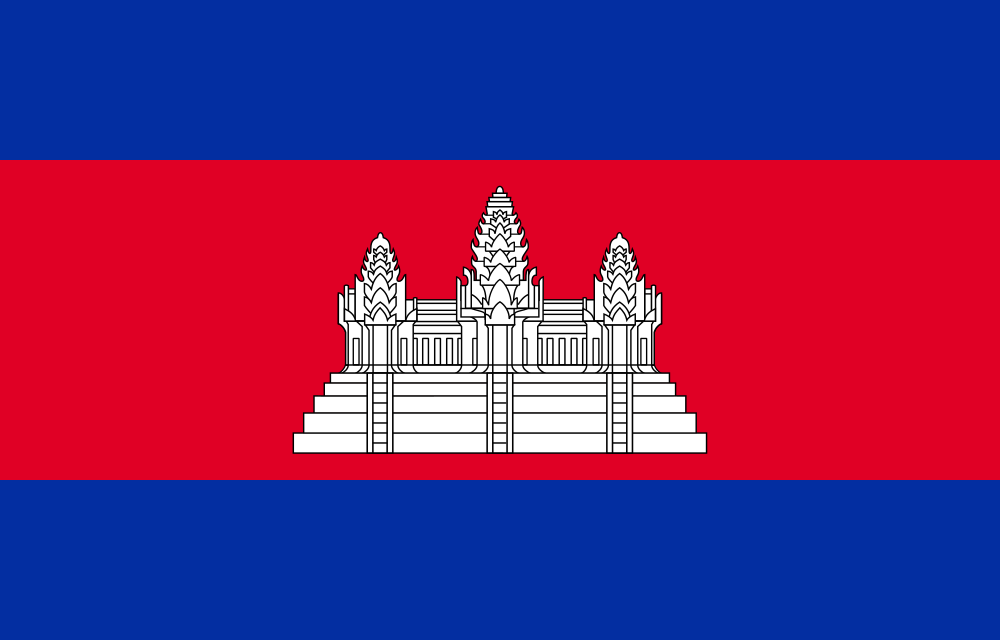 Cambodia
 China
China Georgia
 Indonesia
 Japan
Japan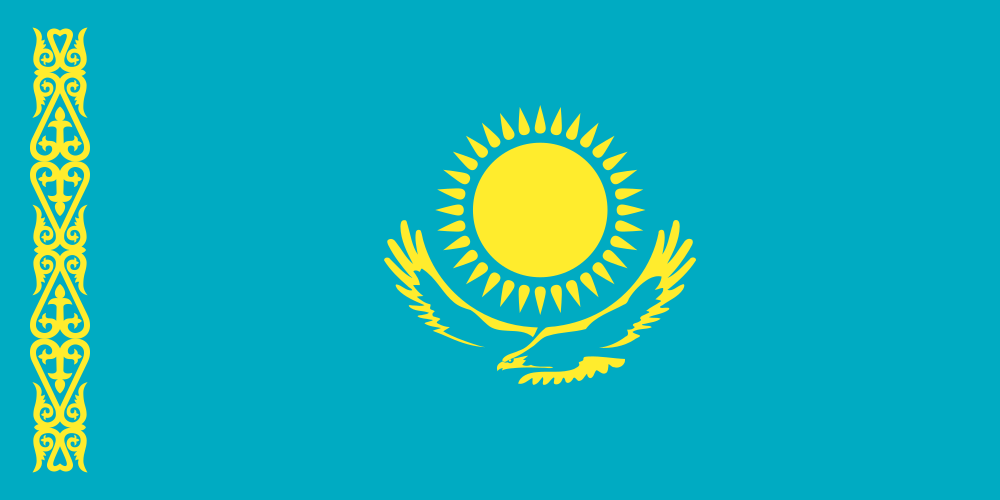 Kazakhstan
 Kyrgyzstan
 Laos
Laos Malaysia
 Maldives
 Mongolia
 Nepal
Nepal Pakistan
 Philippines
 Singapore
 South Korea
 Sri Lanka
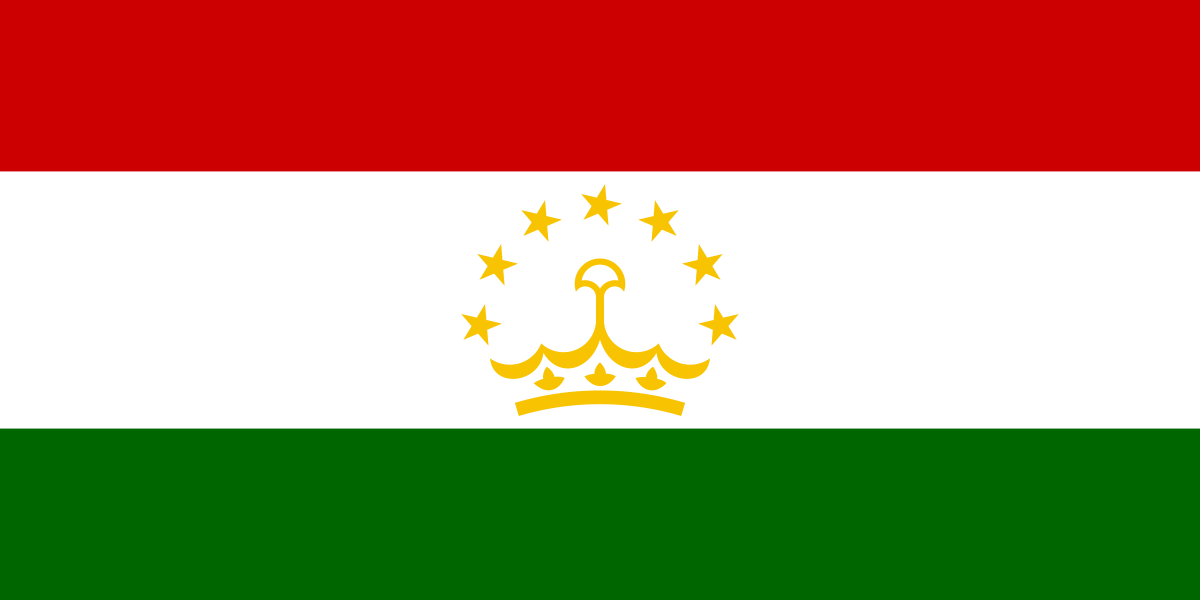 Tajikistan
 Thailand
 Timor-Leste
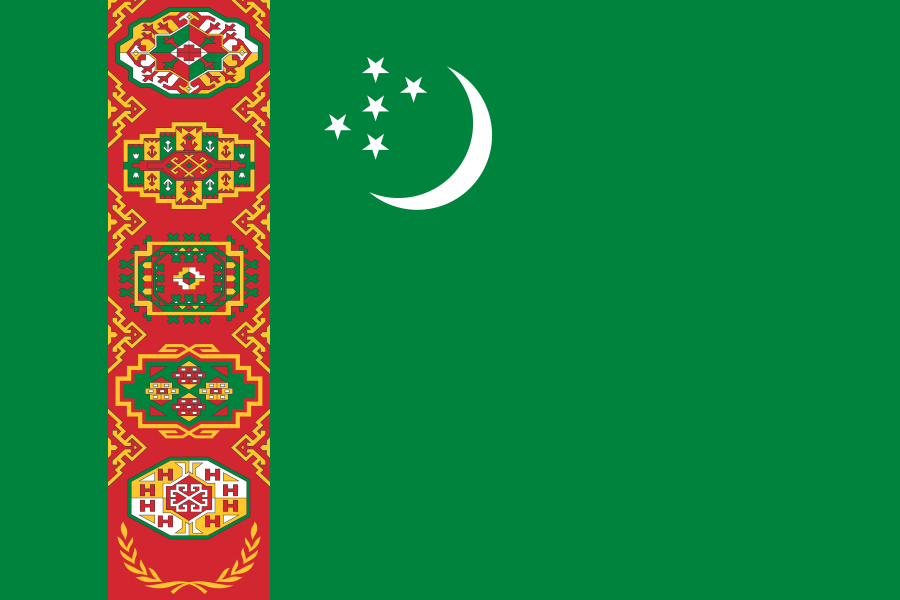 Turkmenistan
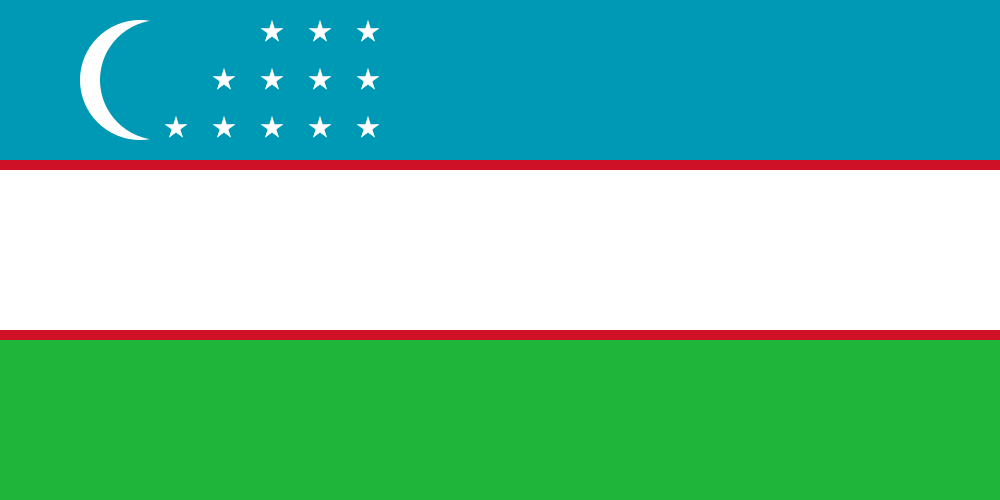 Uzbekistan
 Vietnam
 Australia
 New Zealand
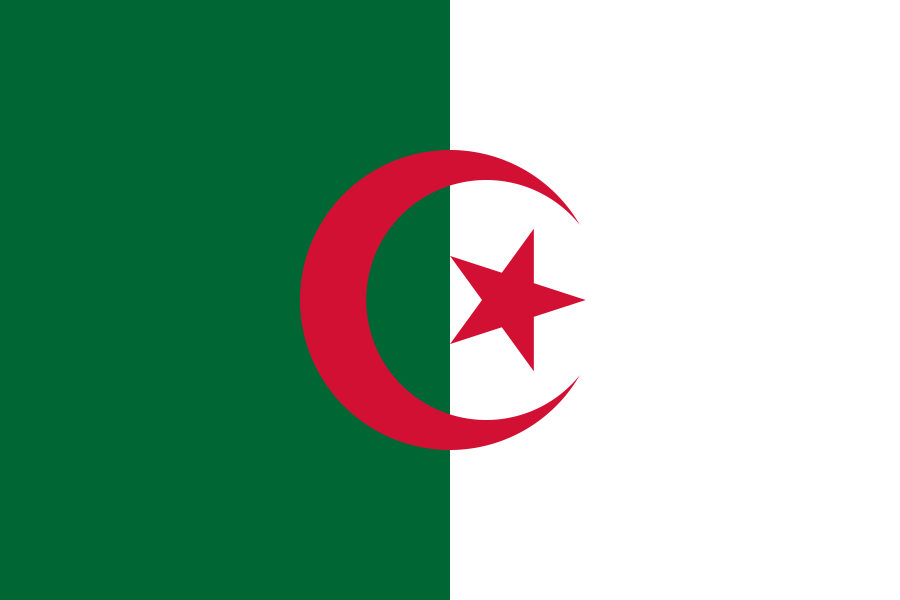 Algeria
 Angola
 Benin
Benin Botswana
 Burkina Faso
 Burundi
 Cabo Verde
 Cameroon
 Chad
Chad Comoros
 Côte d'Ivoire
 DR of
Congo
DR of
Congo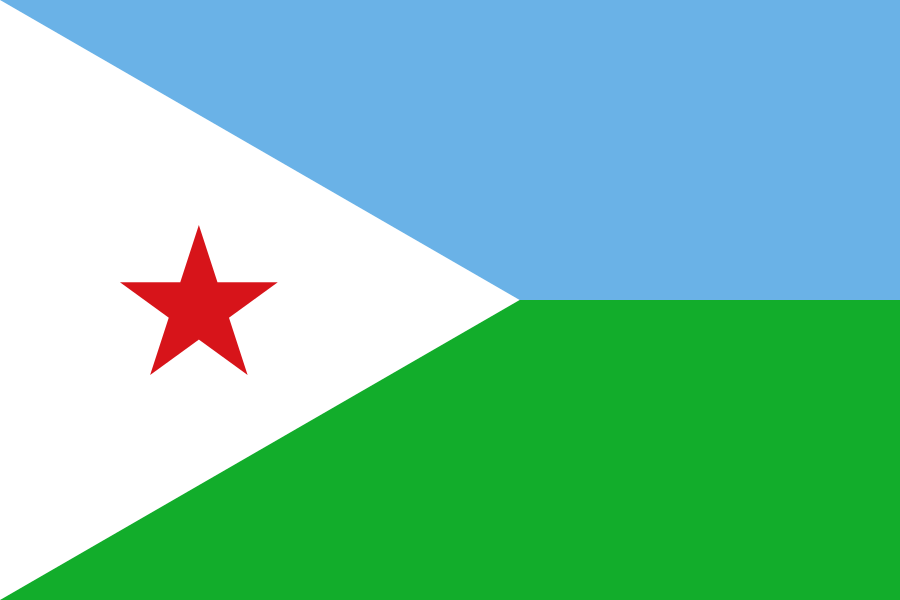 Djibouti
 Egypt
Egypt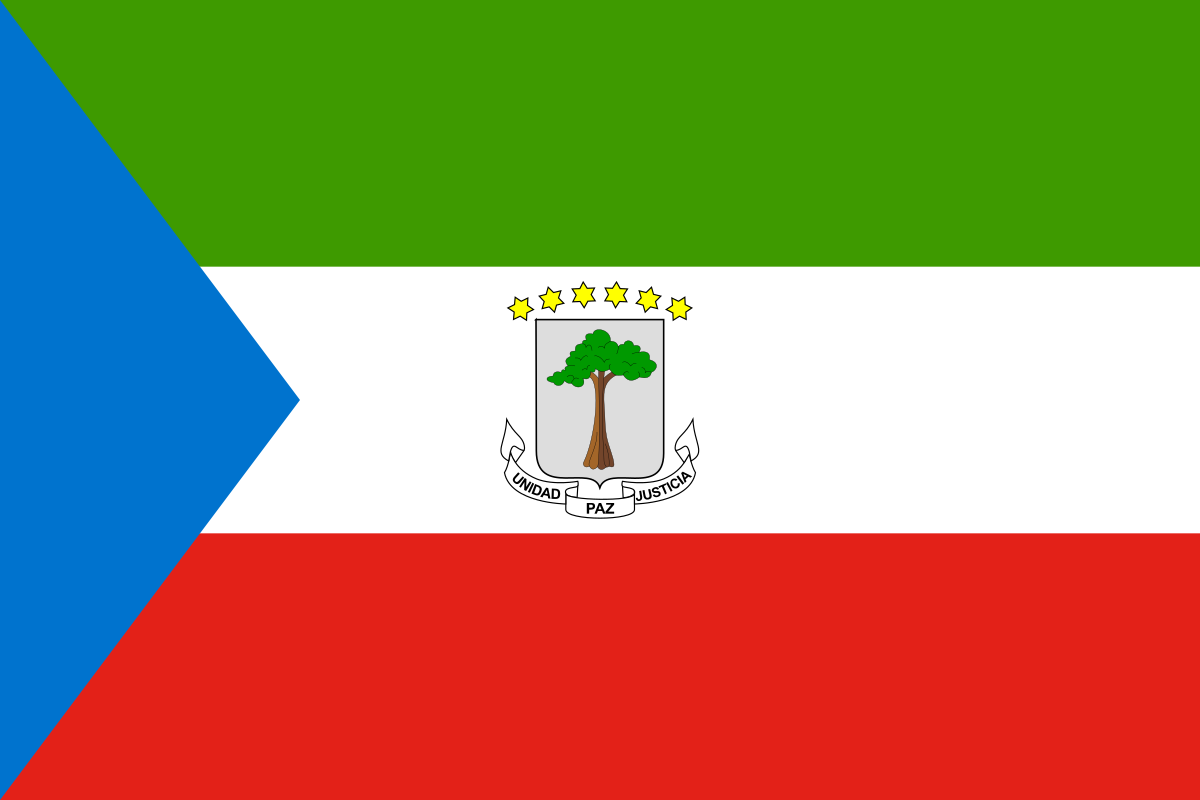 Equatorial Guinea
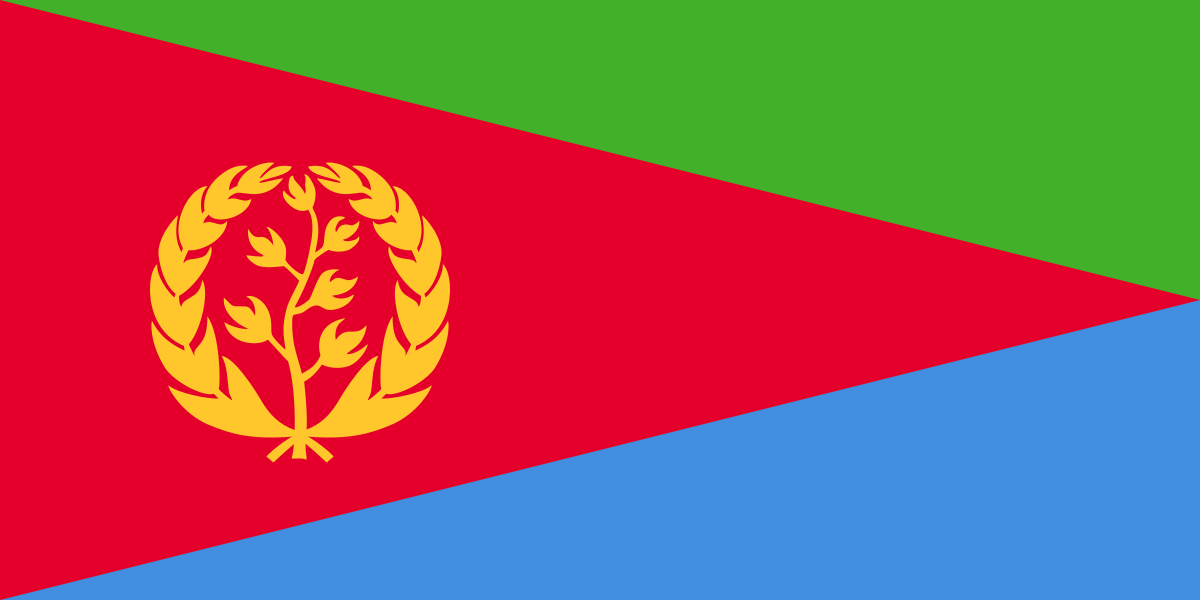 Eritrea
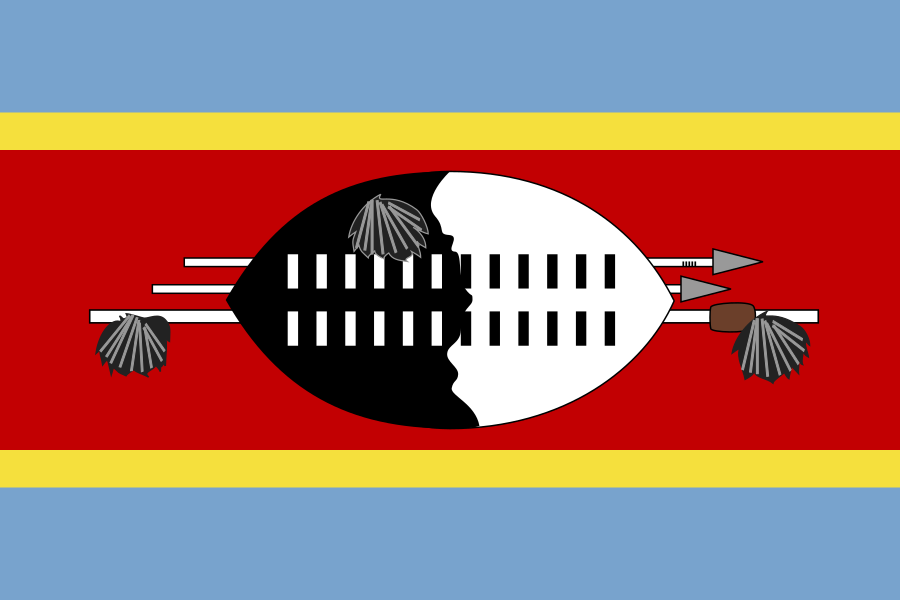 Eswatini
 Ethiopia
 Gabon
Gabon Gambia
 Ghana
Ghana Guinea
 Guinea-Bissau
 Kenya
Kenya Lesotho
 Liberia
 Libya
Libya Madagascar
 Malawi
 Mali
Mali Mauritania
 Mauritius
 Morocco
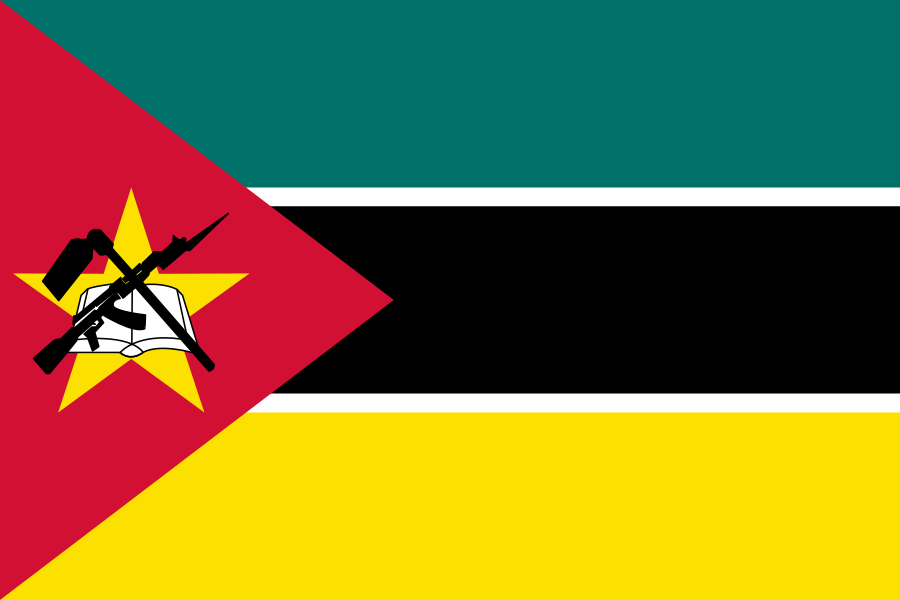 Mozambique
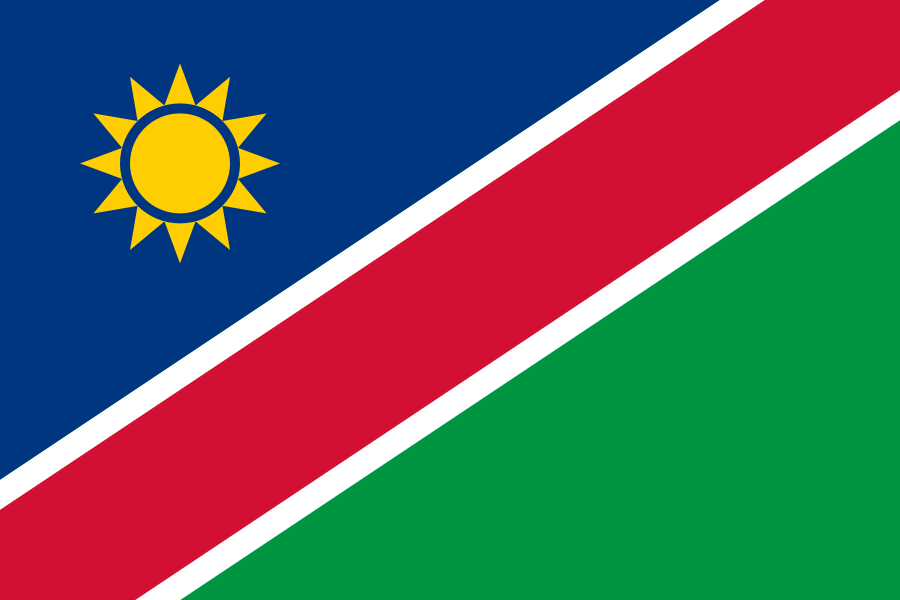 Namibia
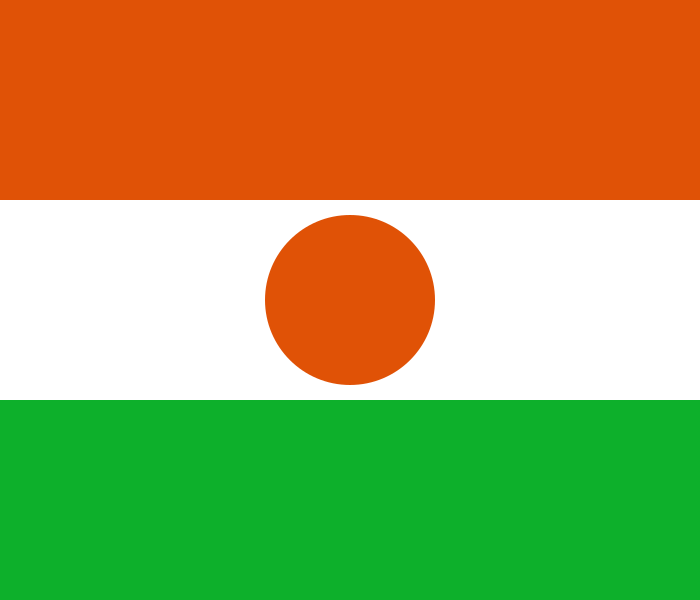 Niger
Niger Nigeria
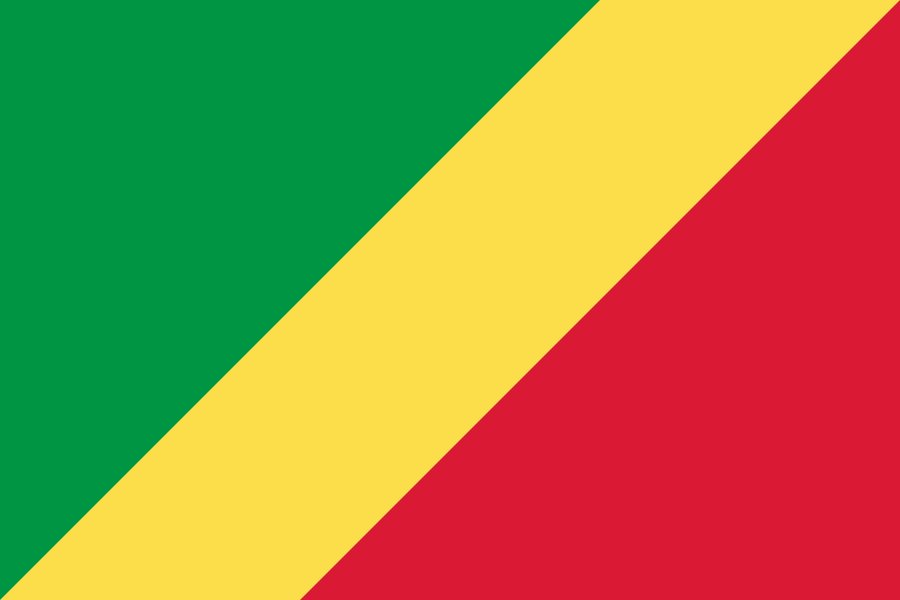 Republic of the Congo
 Rwanda
 São Tomé and Príncipe
 Senegal
 Seychelles
 Sierra Leone
 South Africa
 Tanzania
 Togo
Togo Tunisia
 Uganda
 Zambia
 Zimbabwe
 United States
 Canada
 Mexico
 Trinidad & Tobago
 Barbados
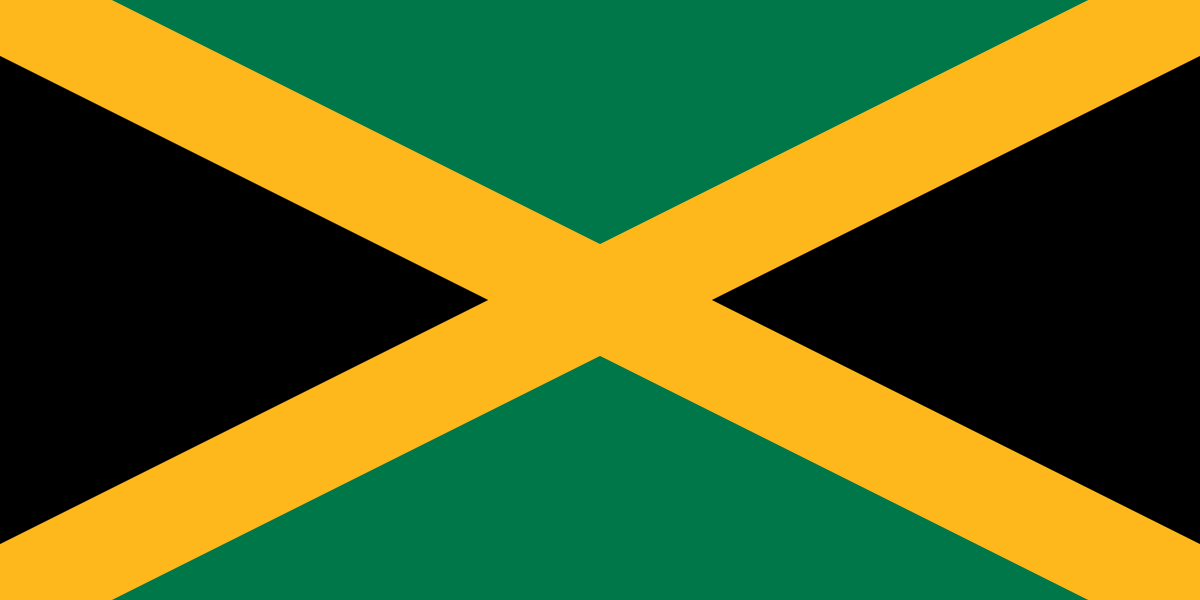 Jamaica
 Panama
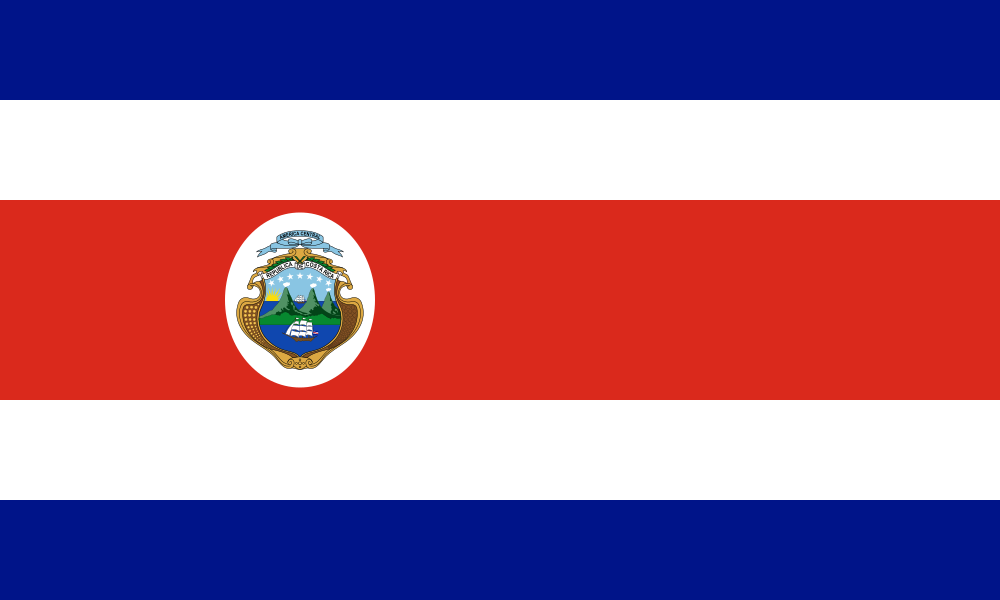 Costa Rica
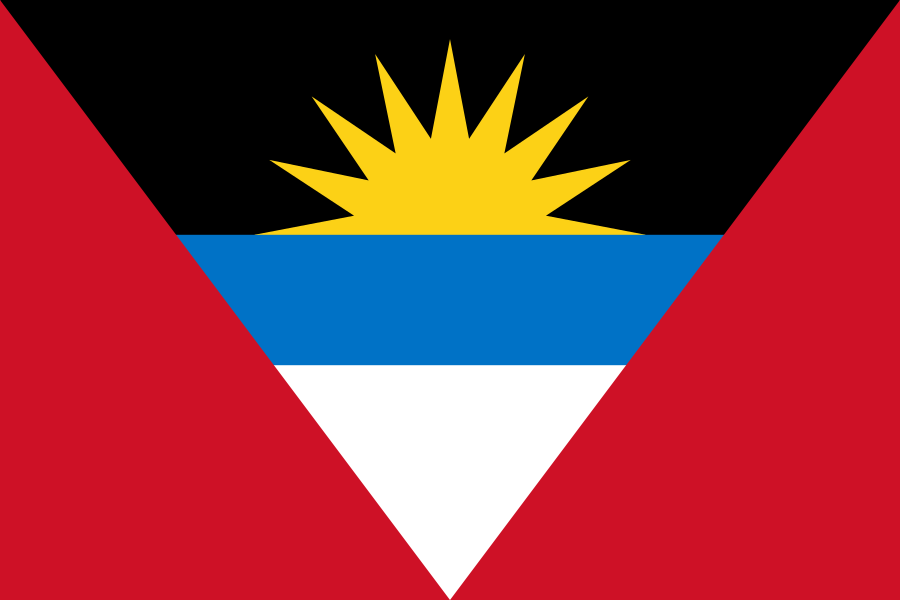 Antigua & Barbuda
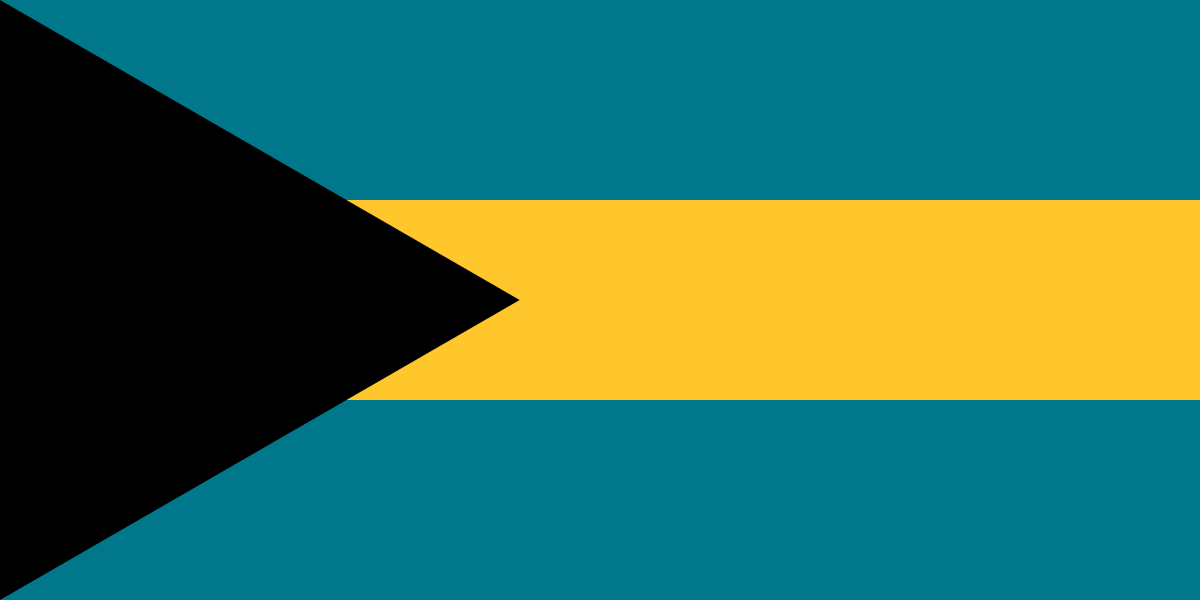 Bahamas
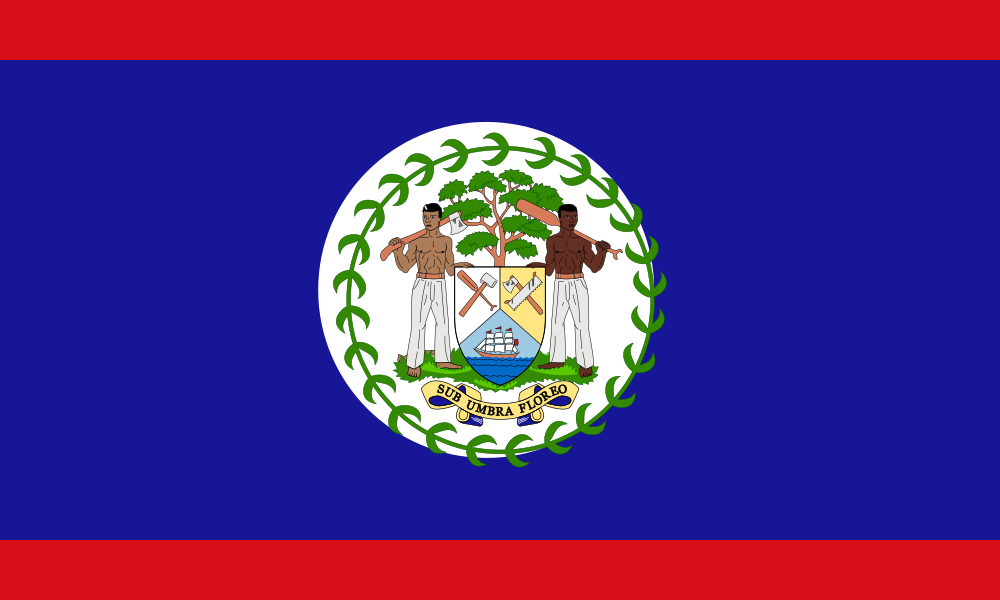 Belize
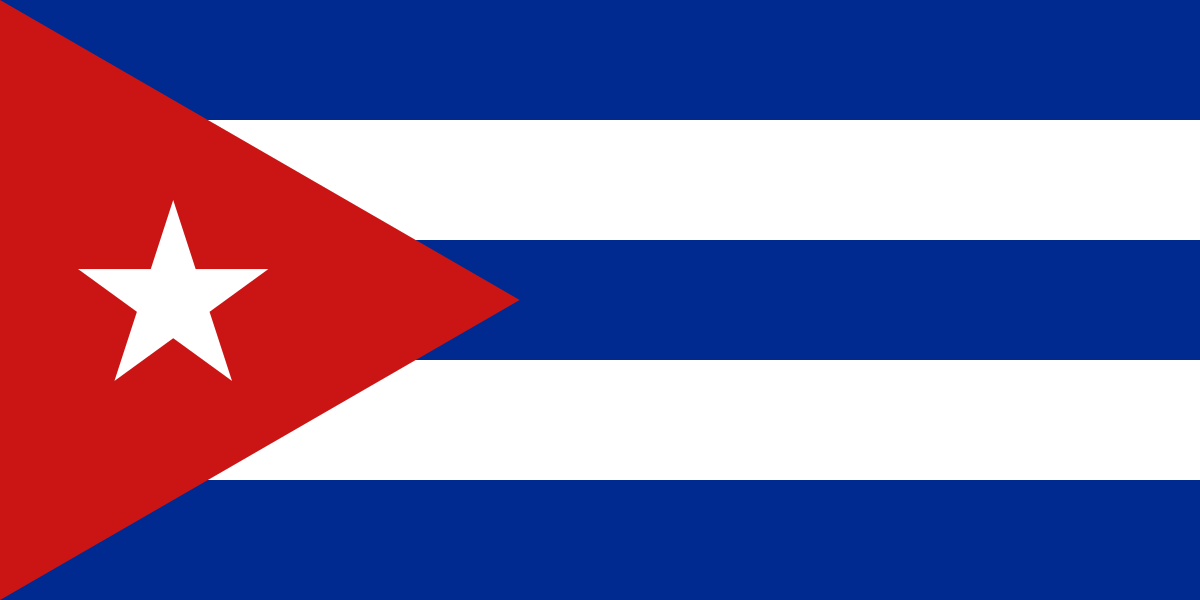 Cuba
Cuba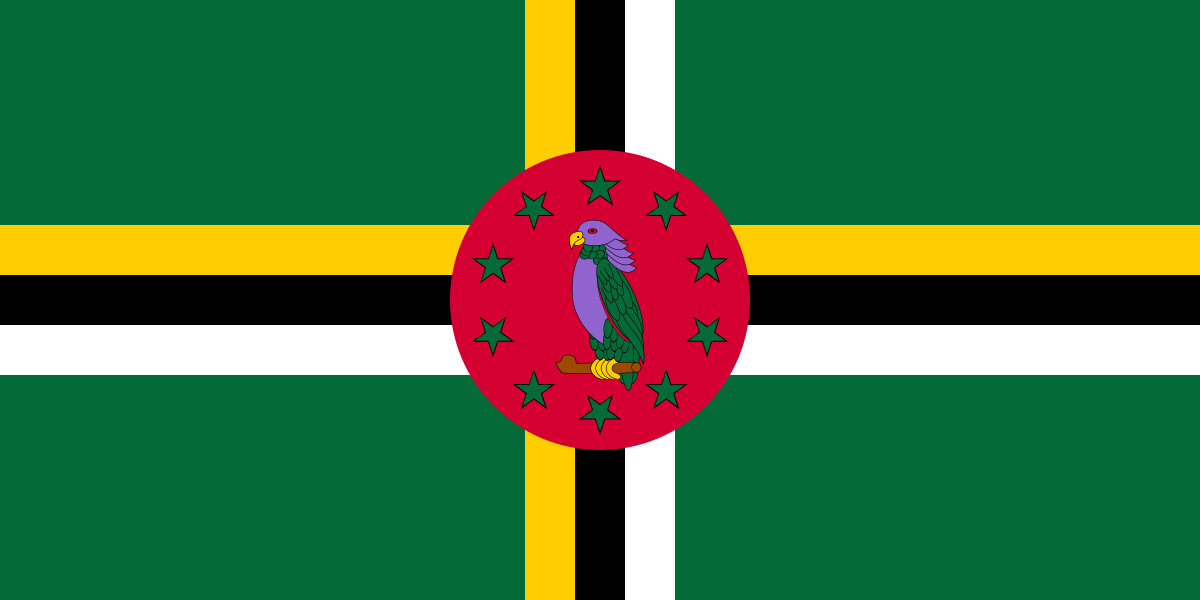 Dominica
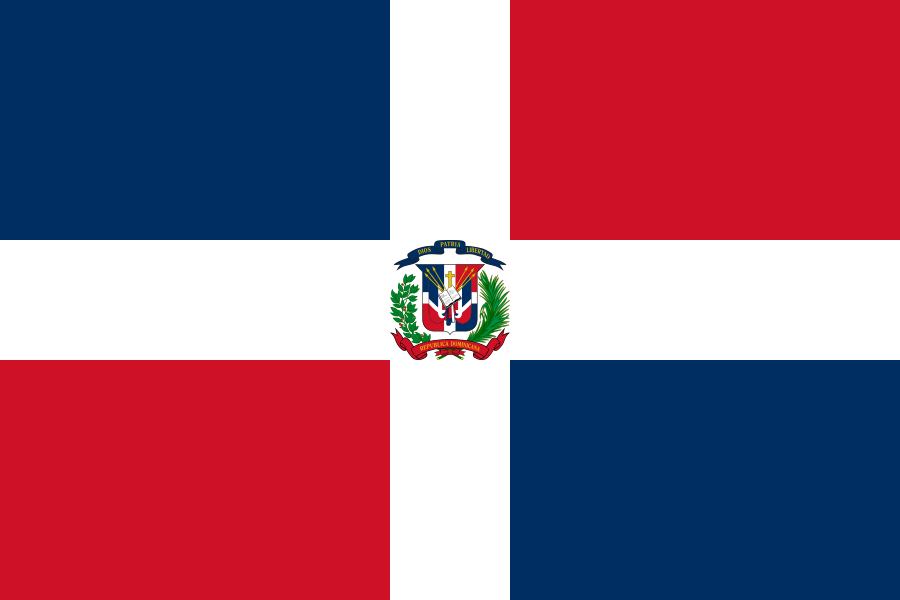 Dominican Republic
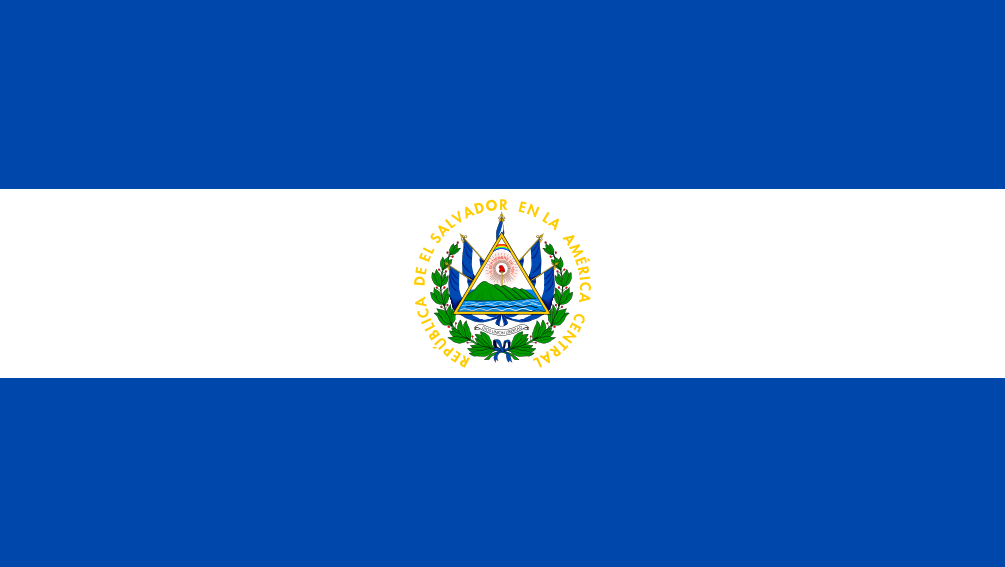 El Salvador
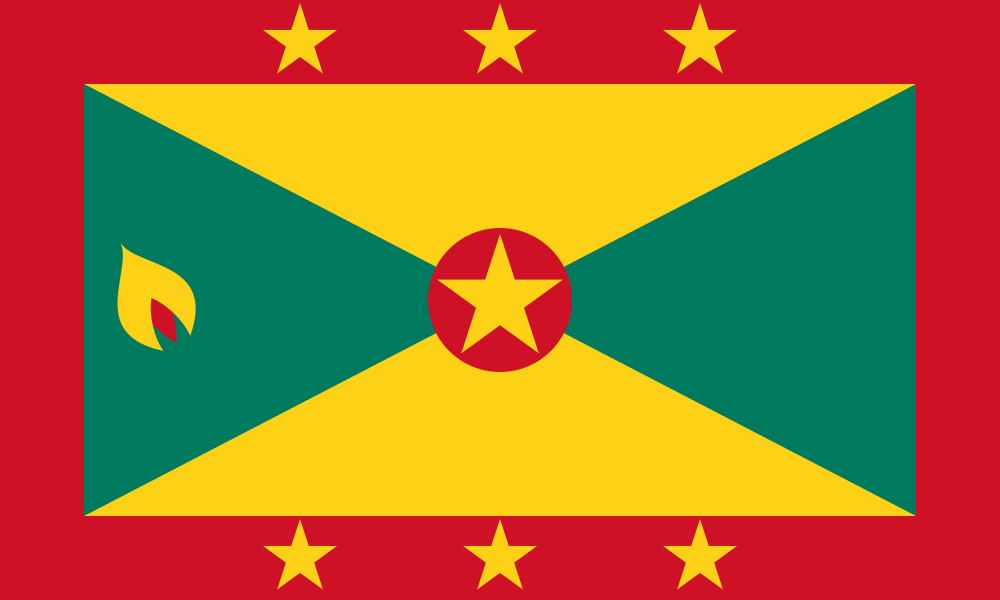 Grenada
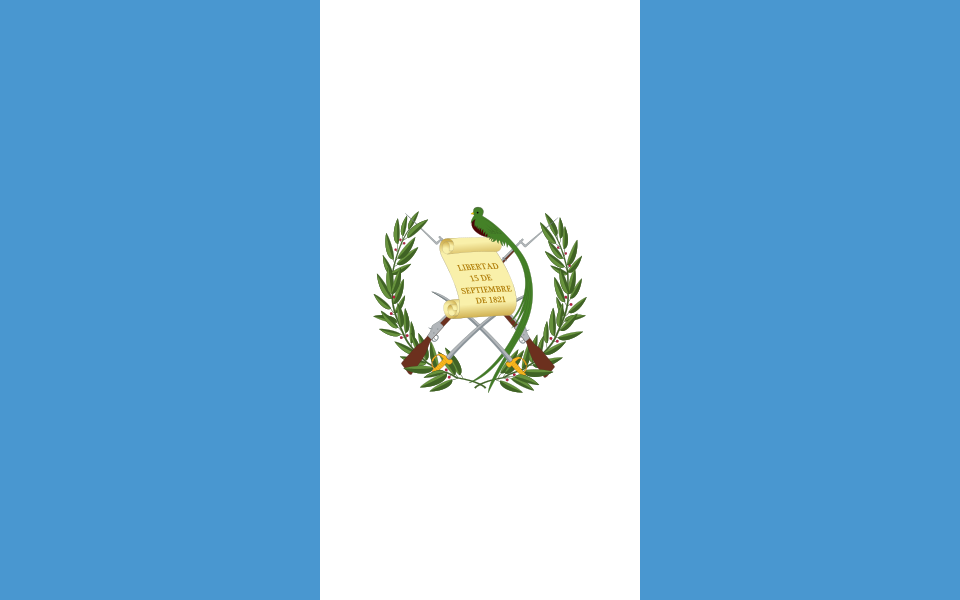 Guatemala
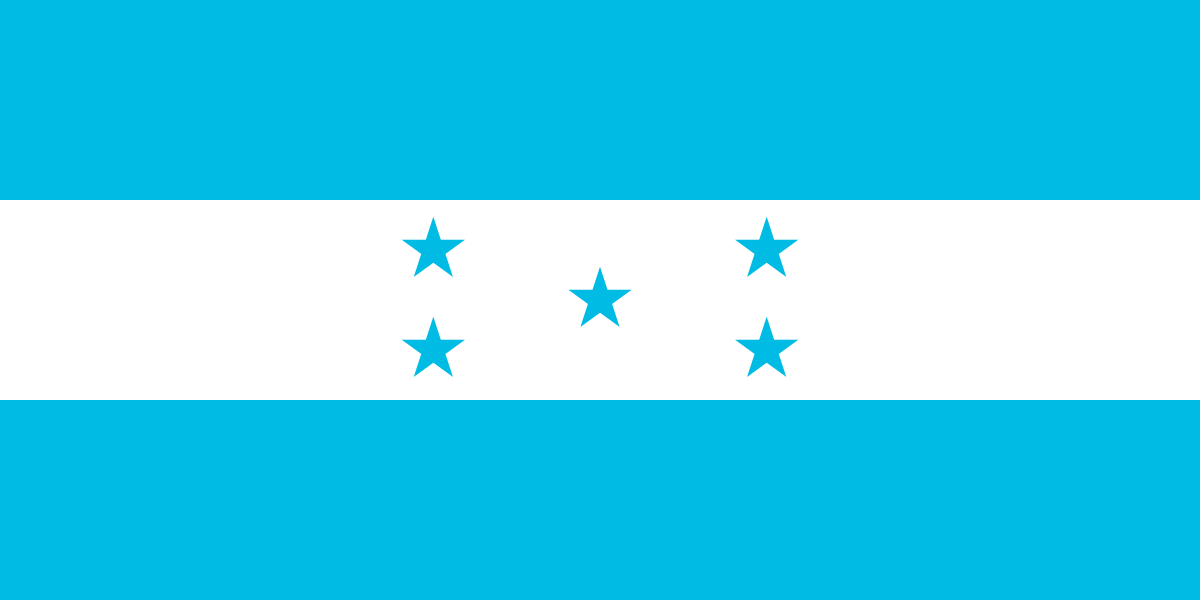 Honduras
 Nicaragua
 Saint Lucia
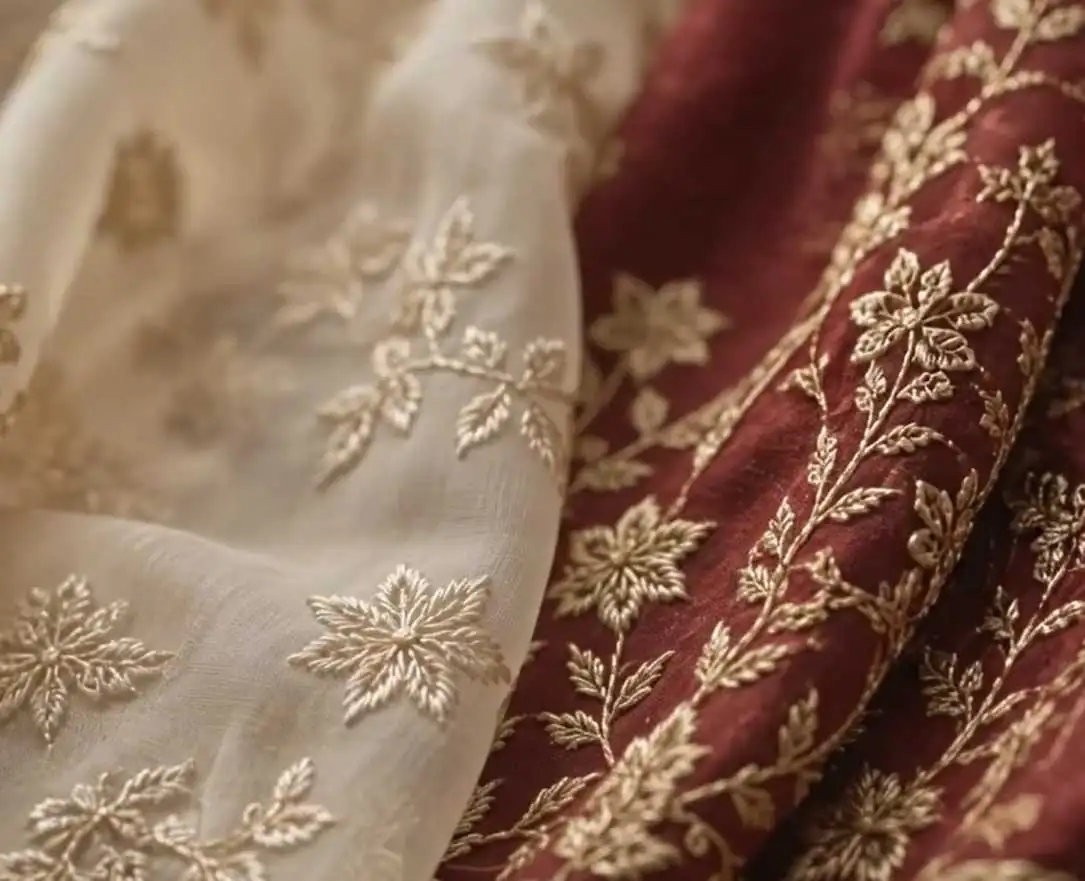
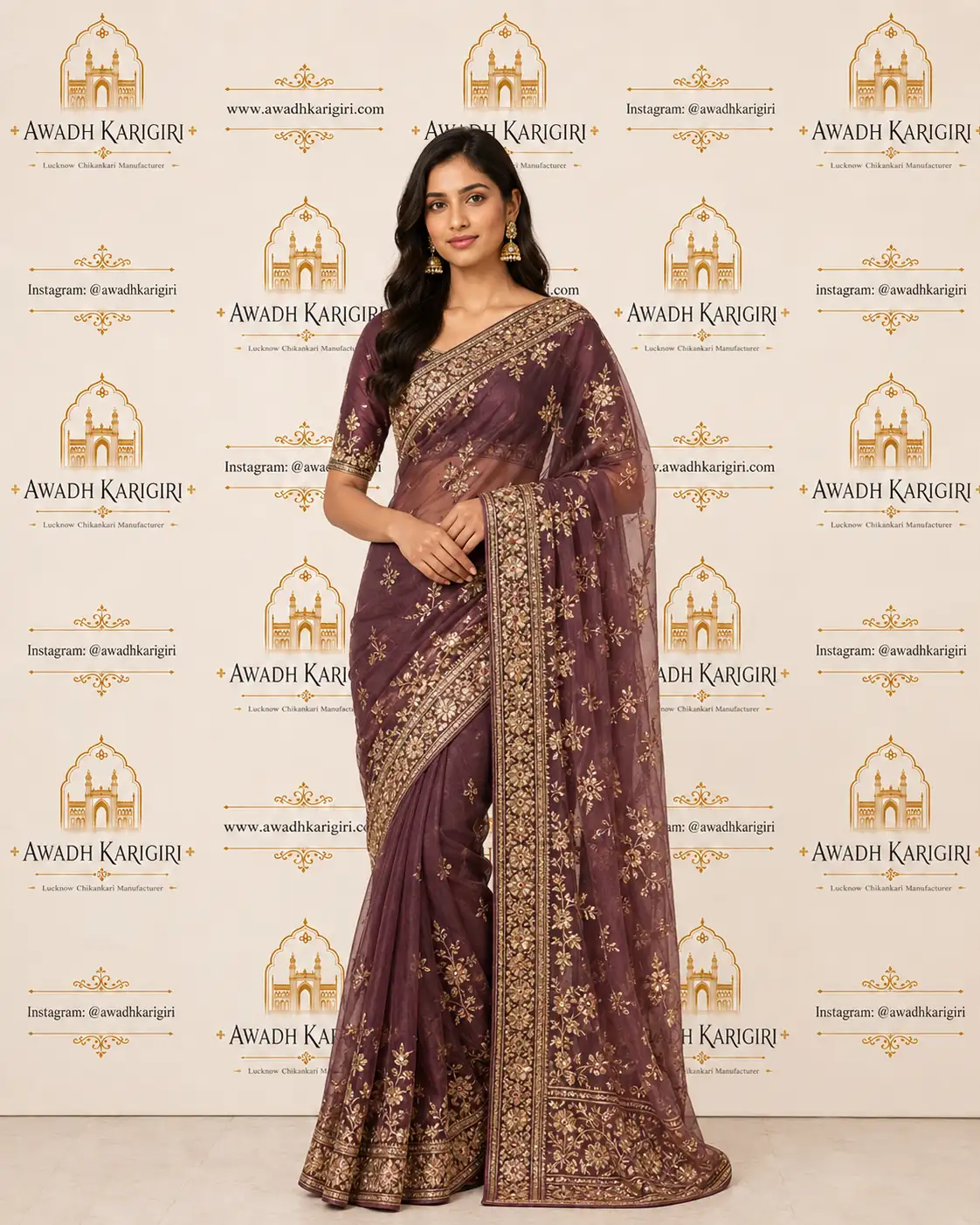
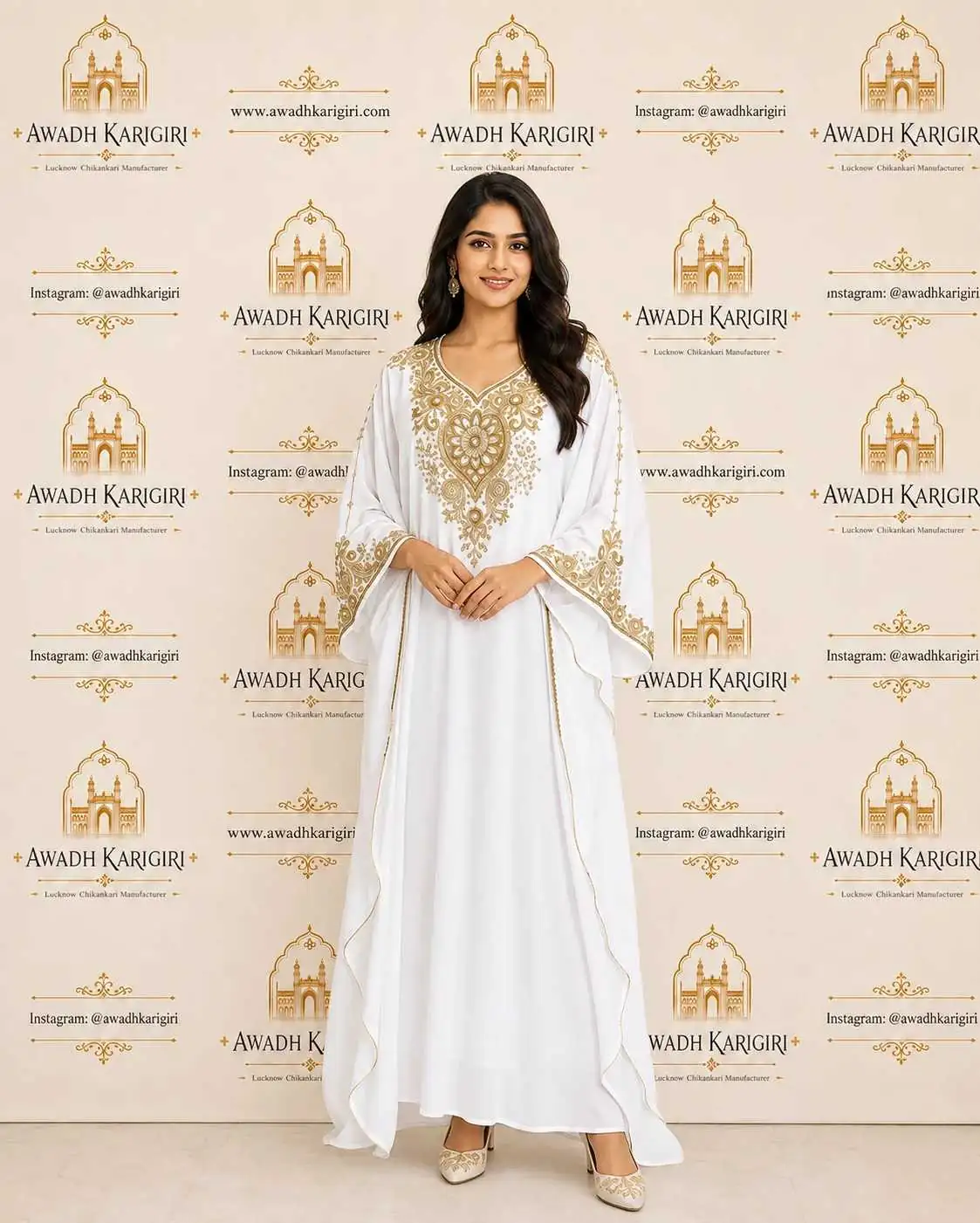
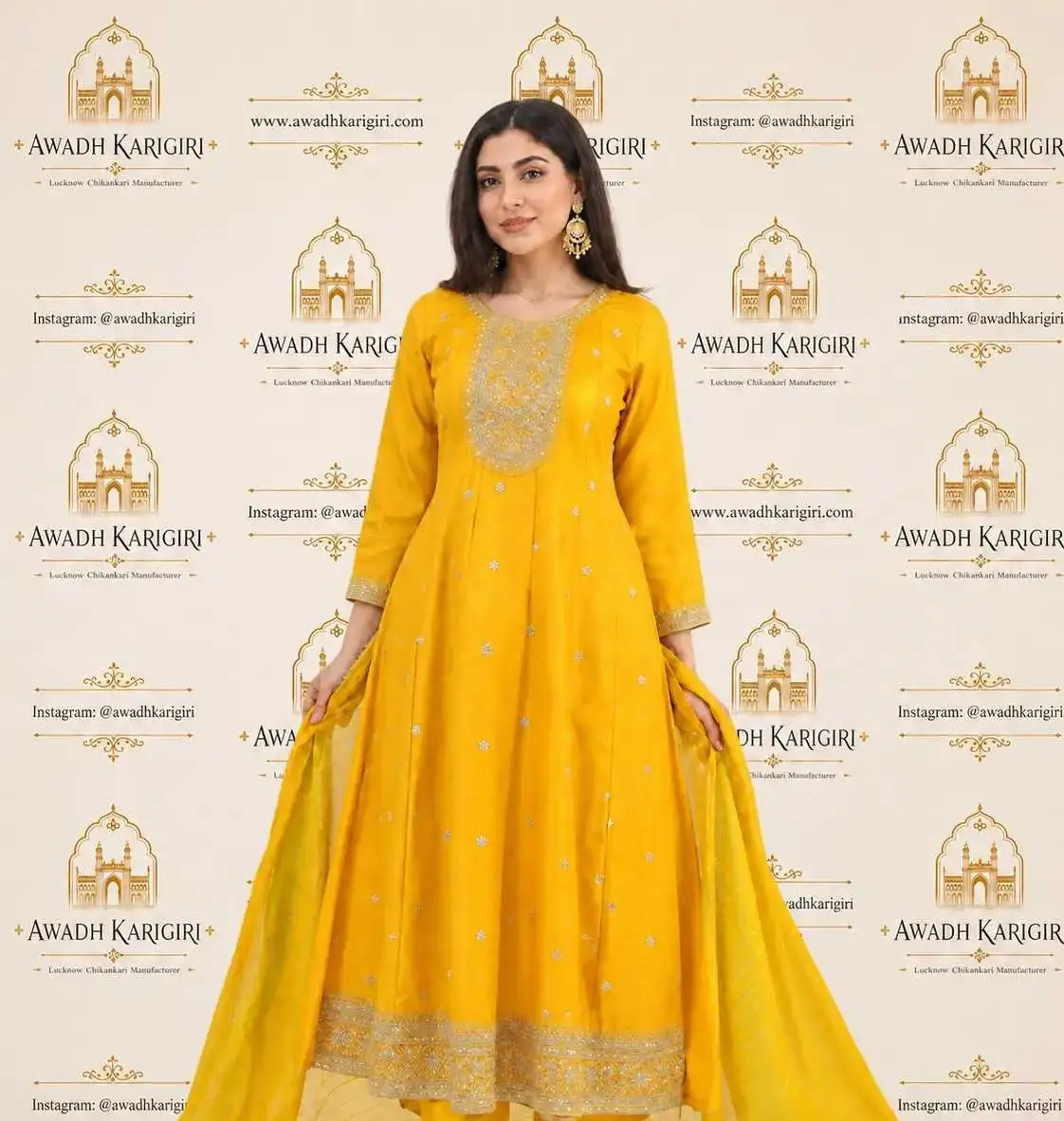
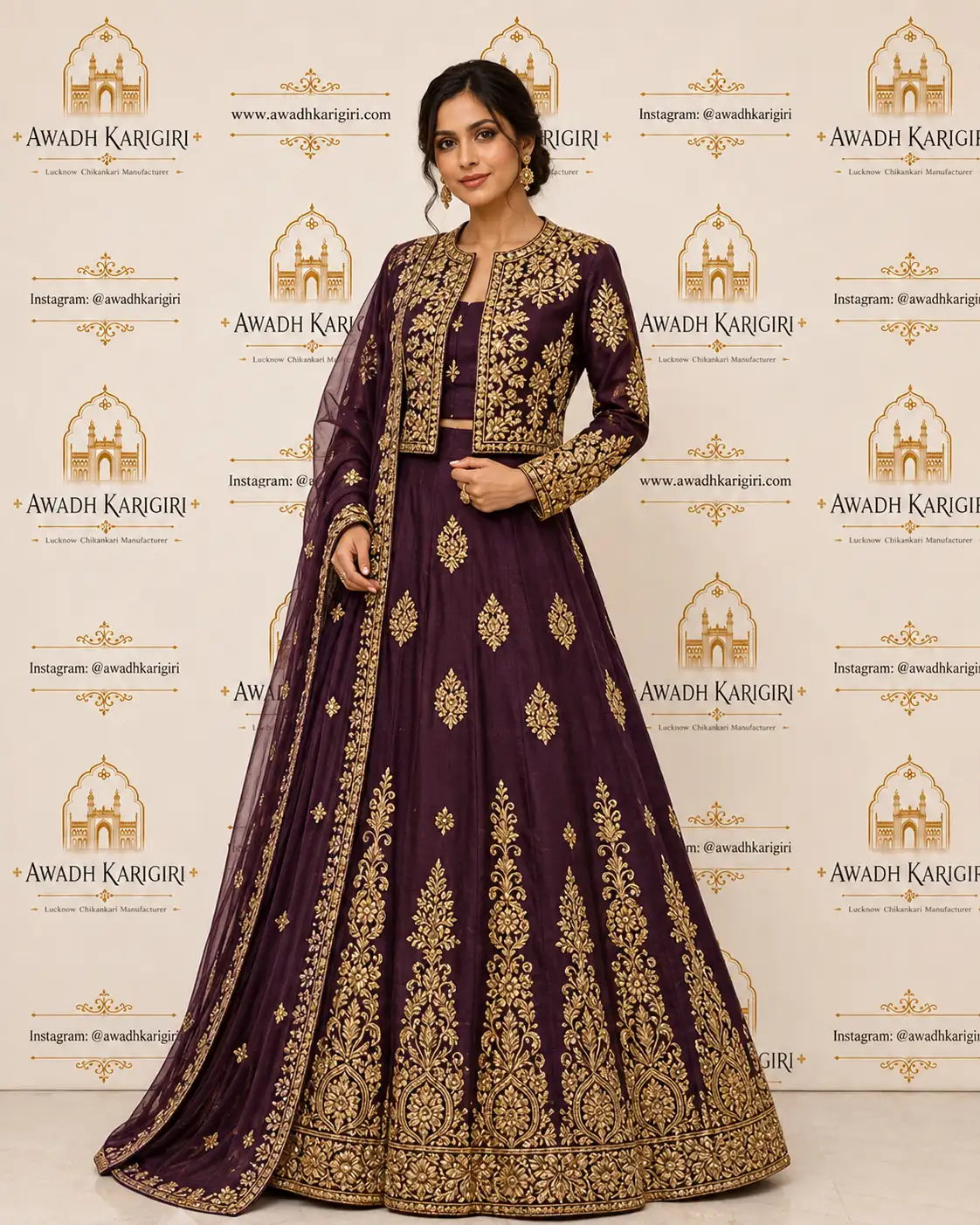
Dabka is a traditional form of metallic hand embroidery associated with the rich textile heritage of Lucknow and Awadh. It is created using fine spring-coiled metallic wires, often referred to as bullion wire, which are carefully cut and shaped into small sections before being hand-stitched onto fabric. Unlike flat metallic embroidery, Dabka can create raised and sculptural details, allowing artisans to build floral motifs, paisleys, leaves, ornamental borders and intricate decorative patterns with visible depth and texture. This distinctive construction makes Lucknow Dabka Work especially suitable for bridalwear, couture and premium designer garments.
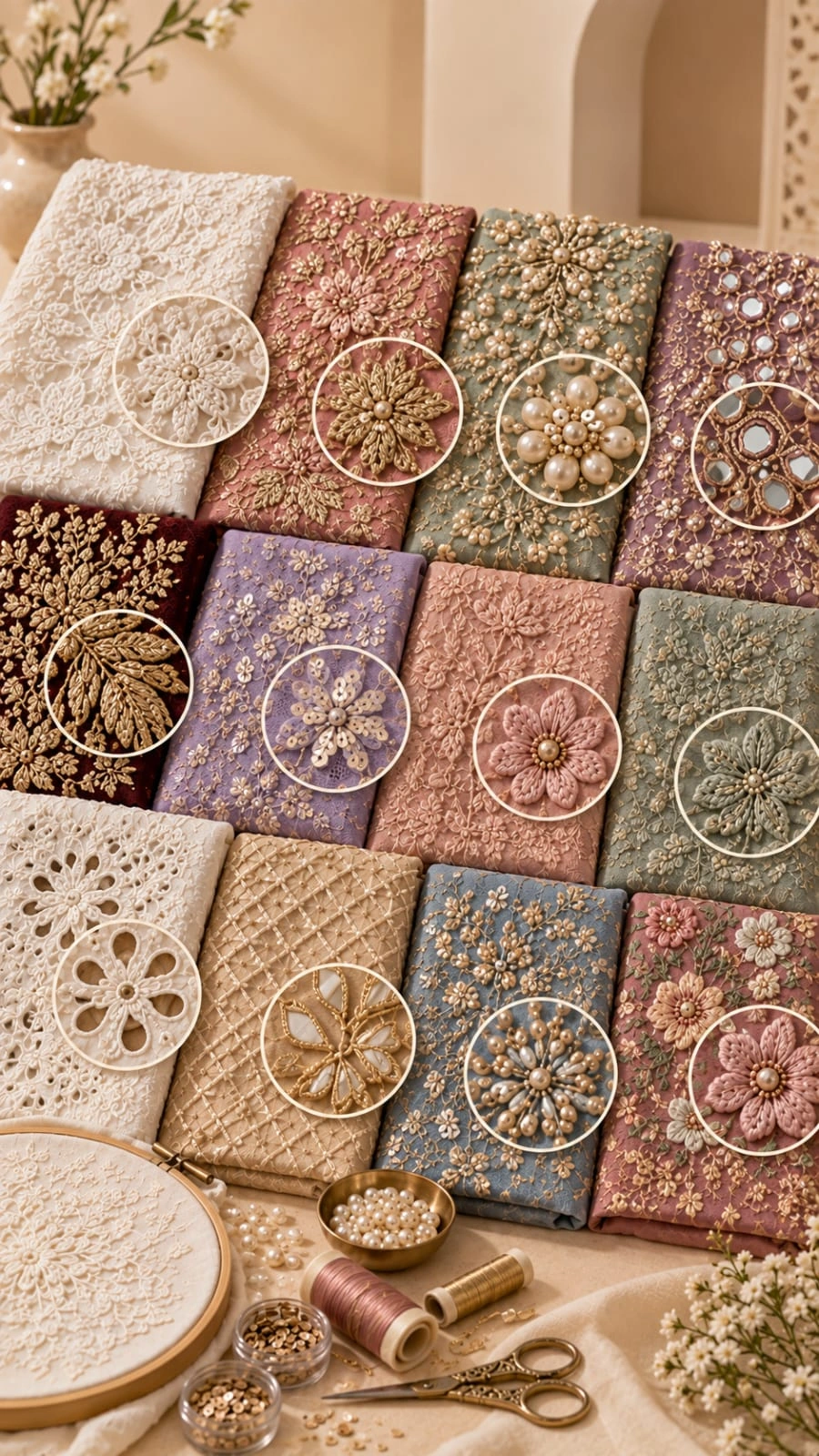
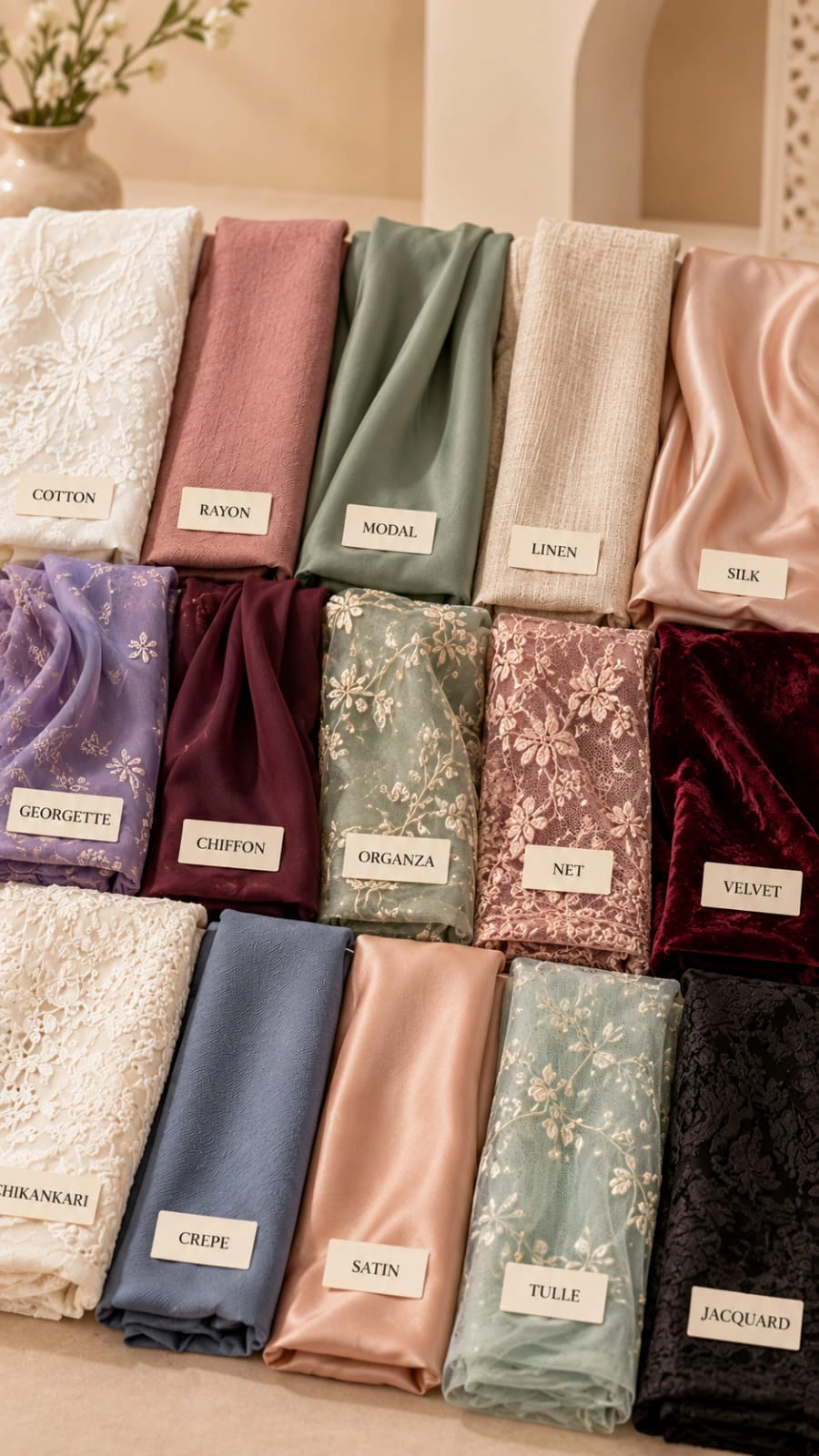
Skilled artisans work each Dabka element with specialised needles, carefully controlling the spacing, tension and placement of every metallic coil. Depending on the design, the wire may be worked over cotton or felt padding to create additional relief and dimensional structure. Dabka embroidery can also be combined with traditional techniques such as Zardozi, Zari, Resham, Cutdana, pearls, beads and stones. It is commonly used on velvet, silk, brocade, organza, satin and other fabrics selected according to the garment design and required embroidery finish.
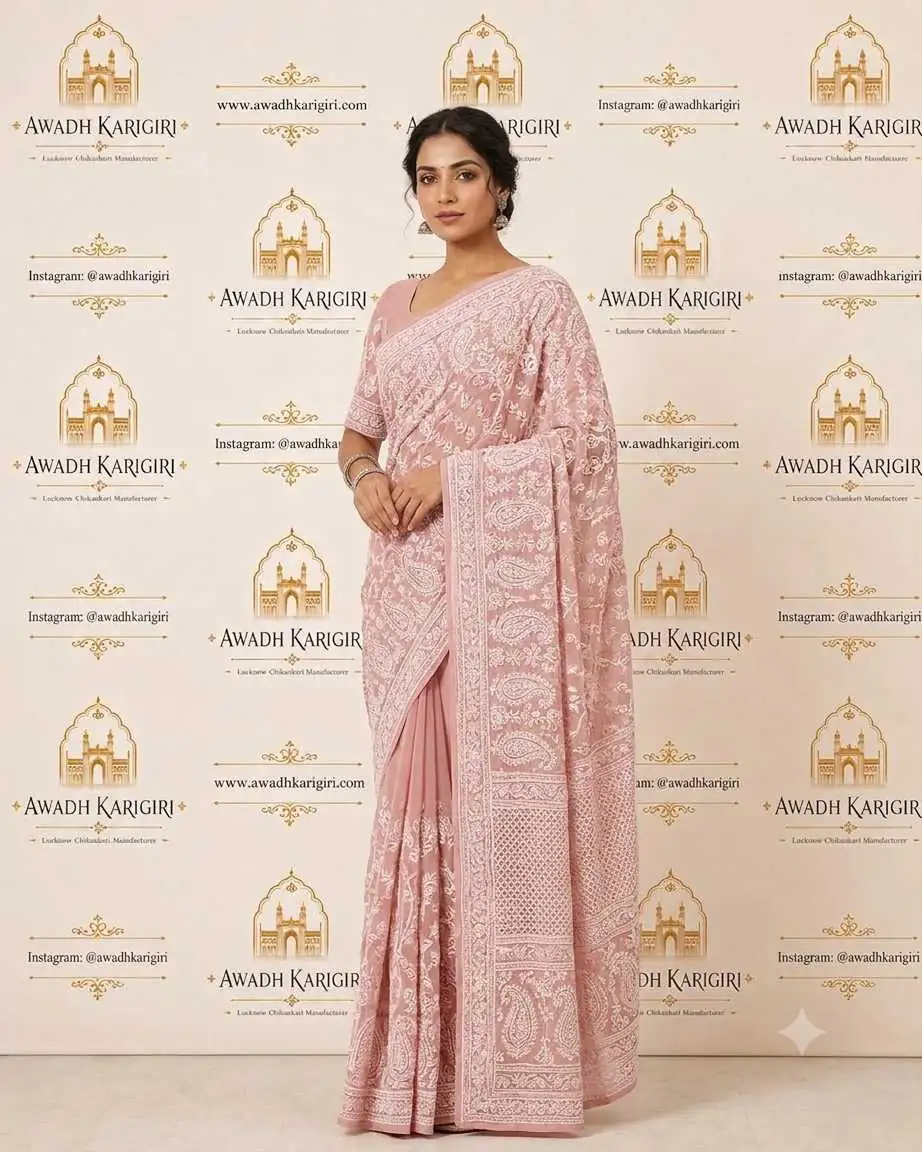
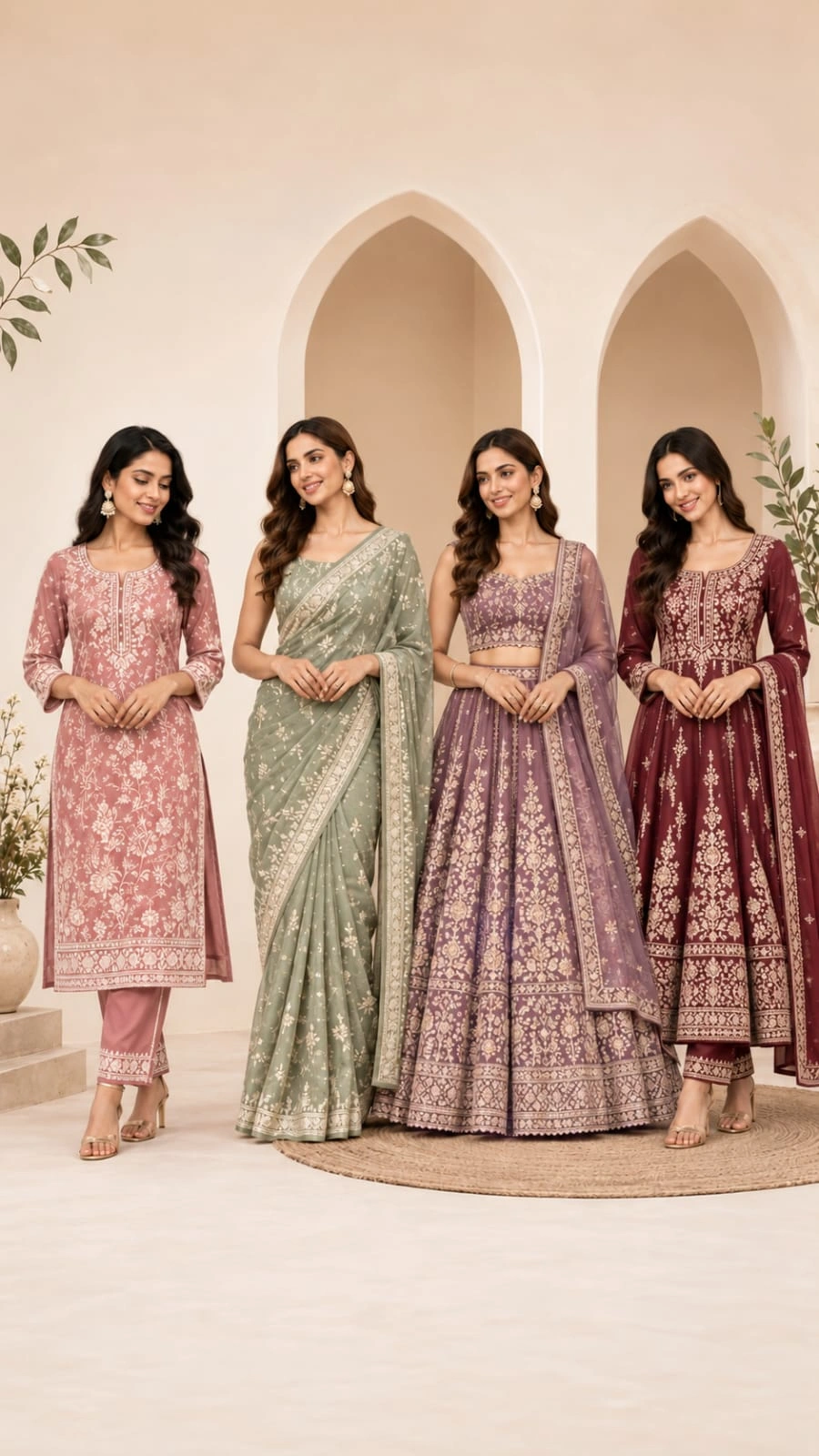
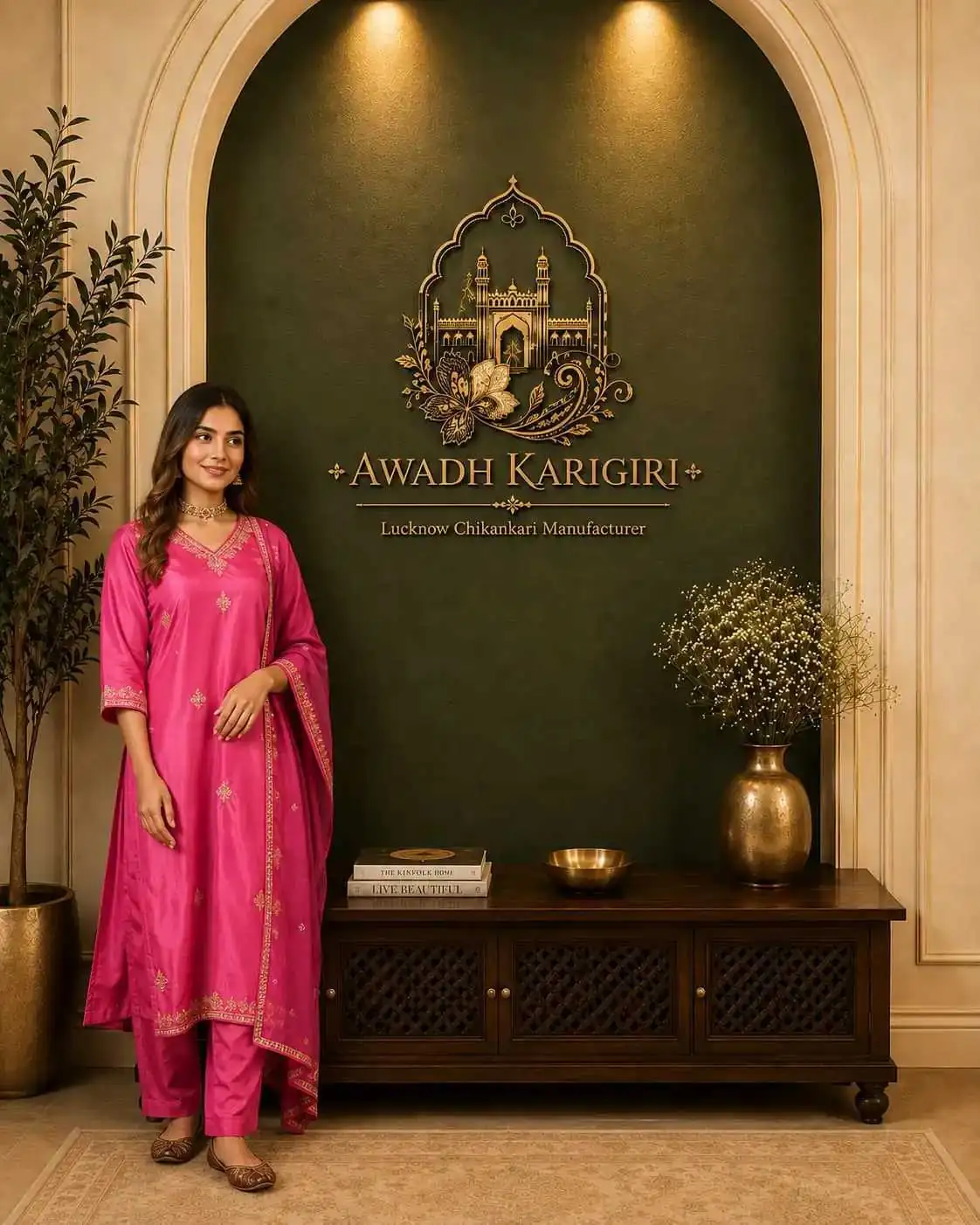
Dabka requires considerable hand skill because the spring coils need to retain their shape and character throughout the embroidery process. Proper cutting, anchoring and spacing help create the characteristic textured and light-catching appearance of the finished work. Lucknow Dabka embroidery is used for bridal lehengas, sherwanis, sarees, dupattas, blouses, jackets, couture yokes and decorative garment panels. Awadh Karigiri provides custom Dabka Work for designers, boutiques, bridalwear brands, garment manufacturers and exporters, including design development, sampling and bulk B2B embroidery production.