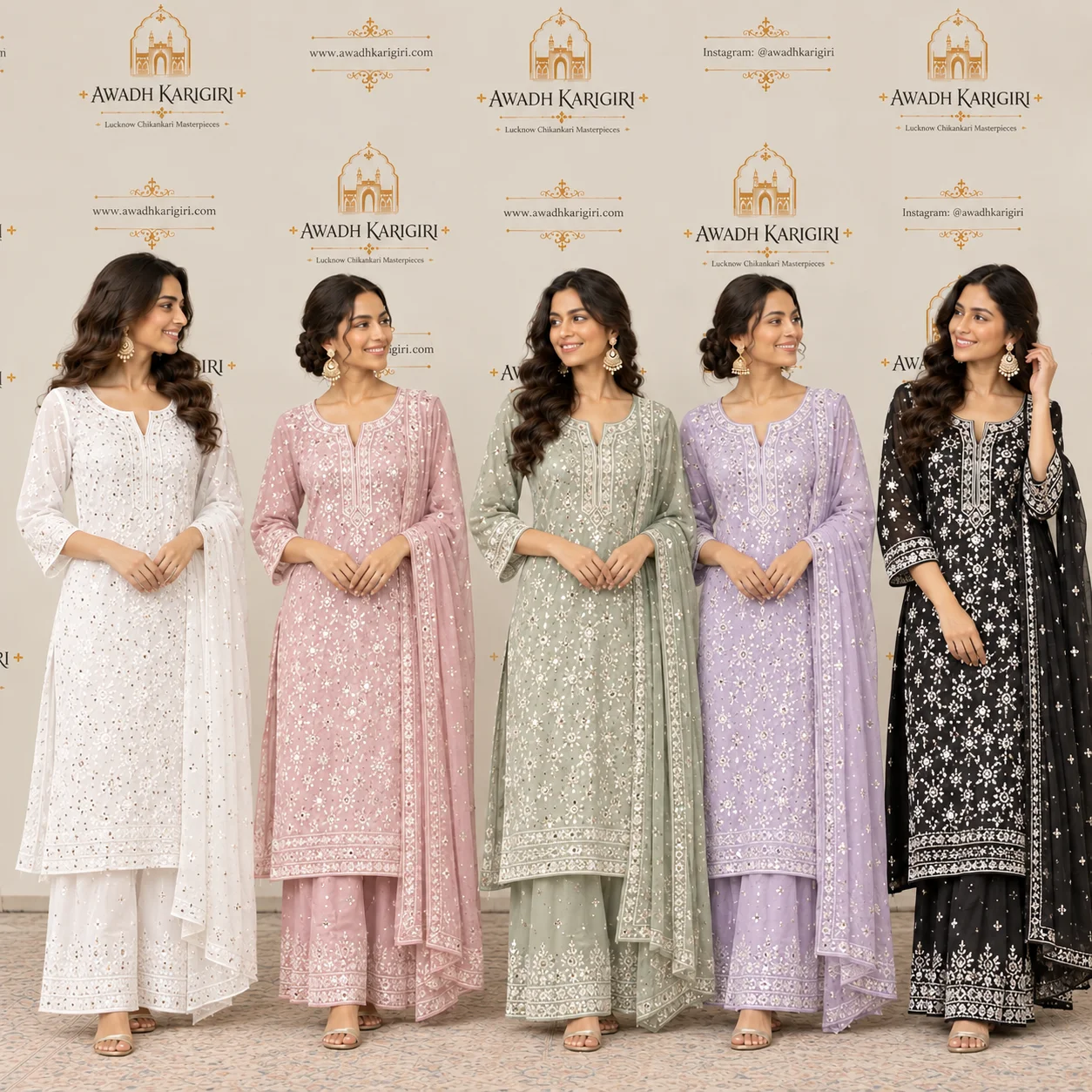
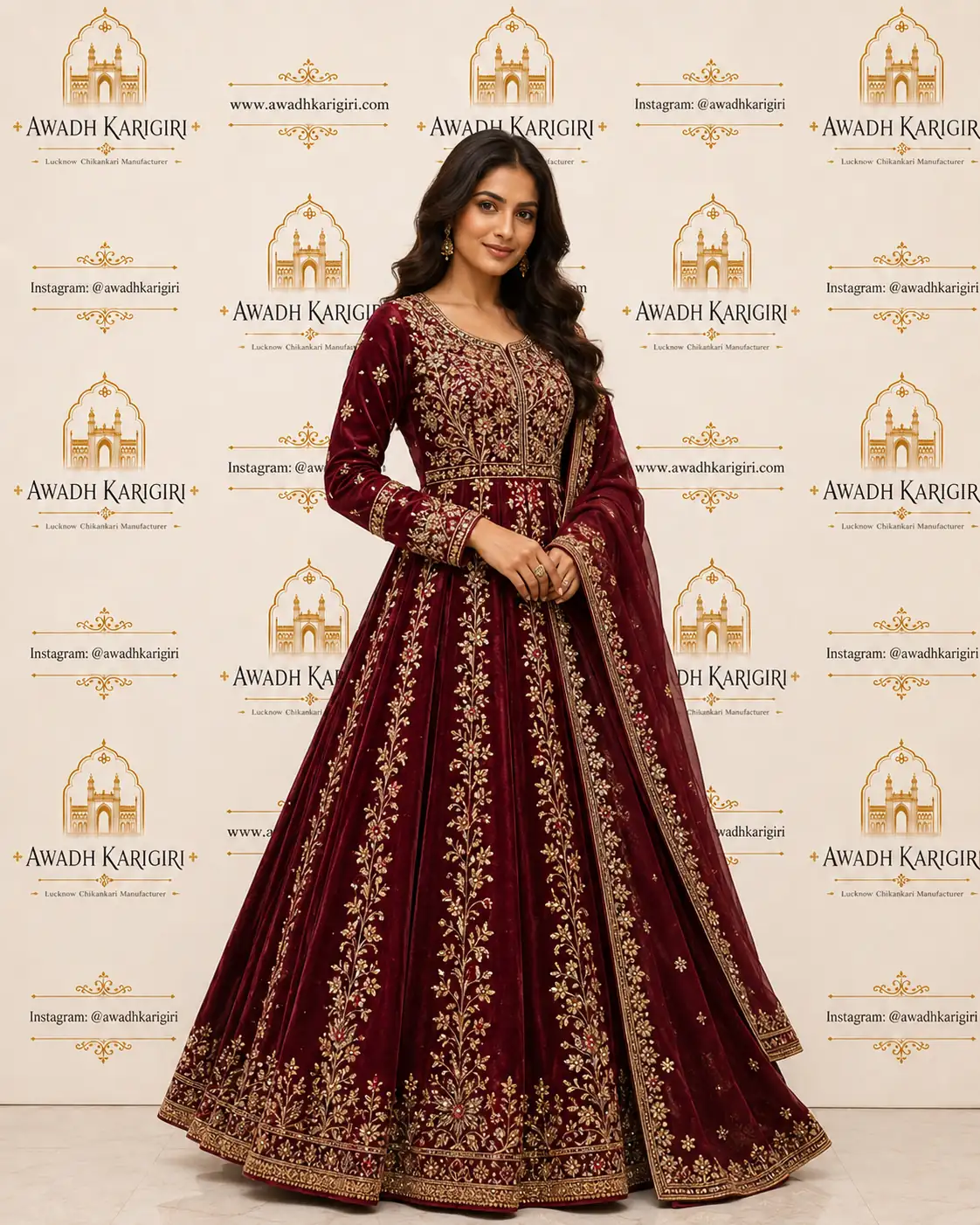
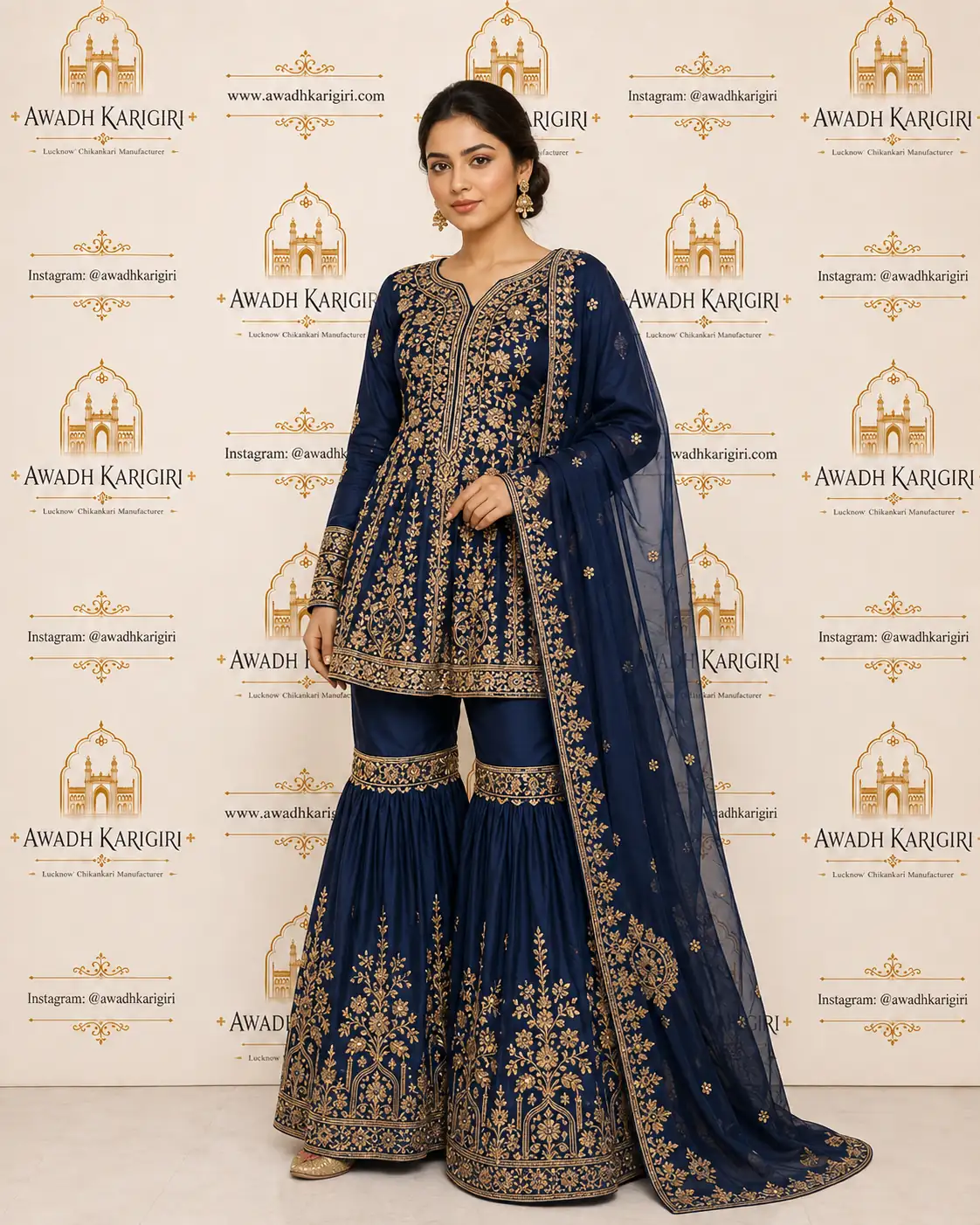
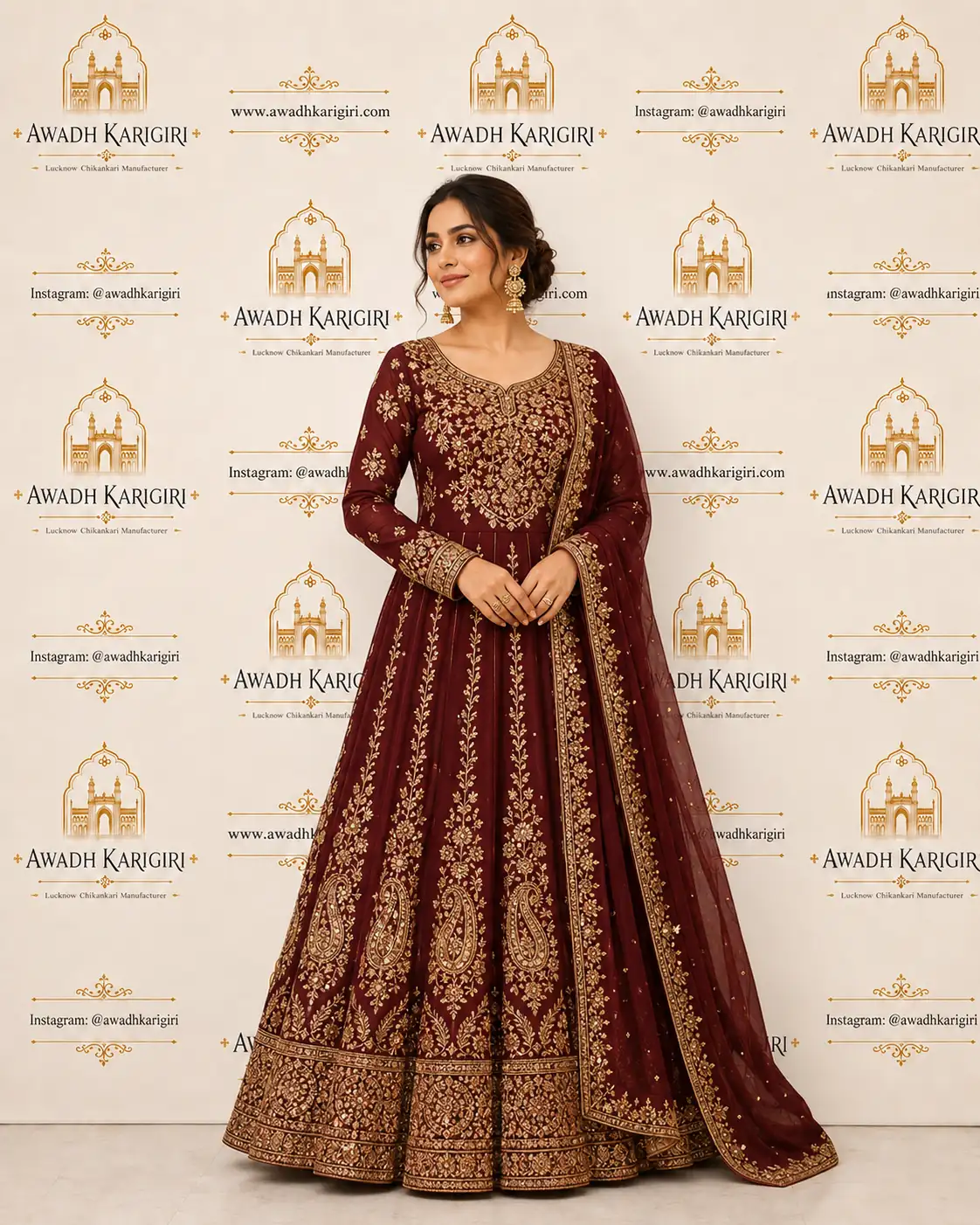
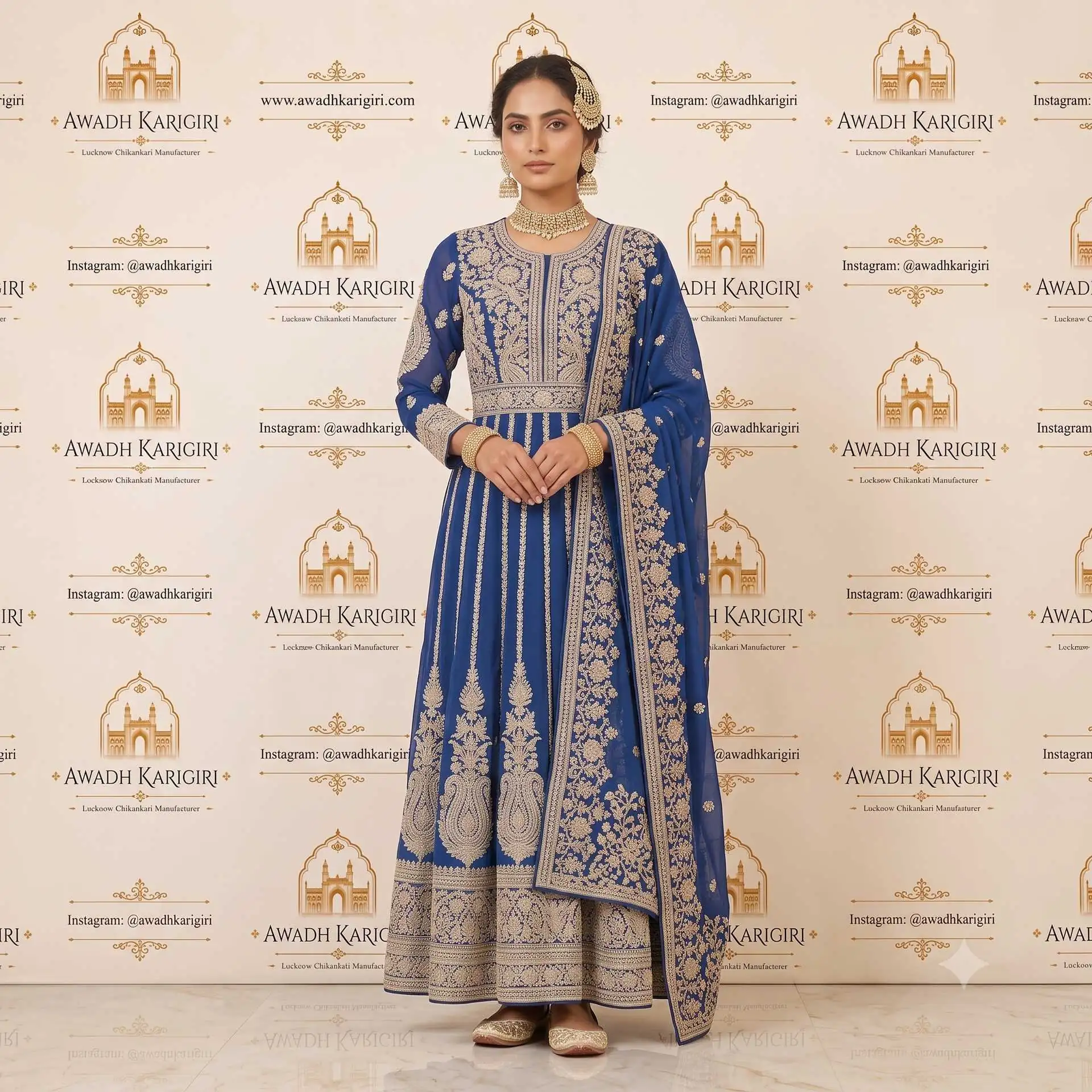
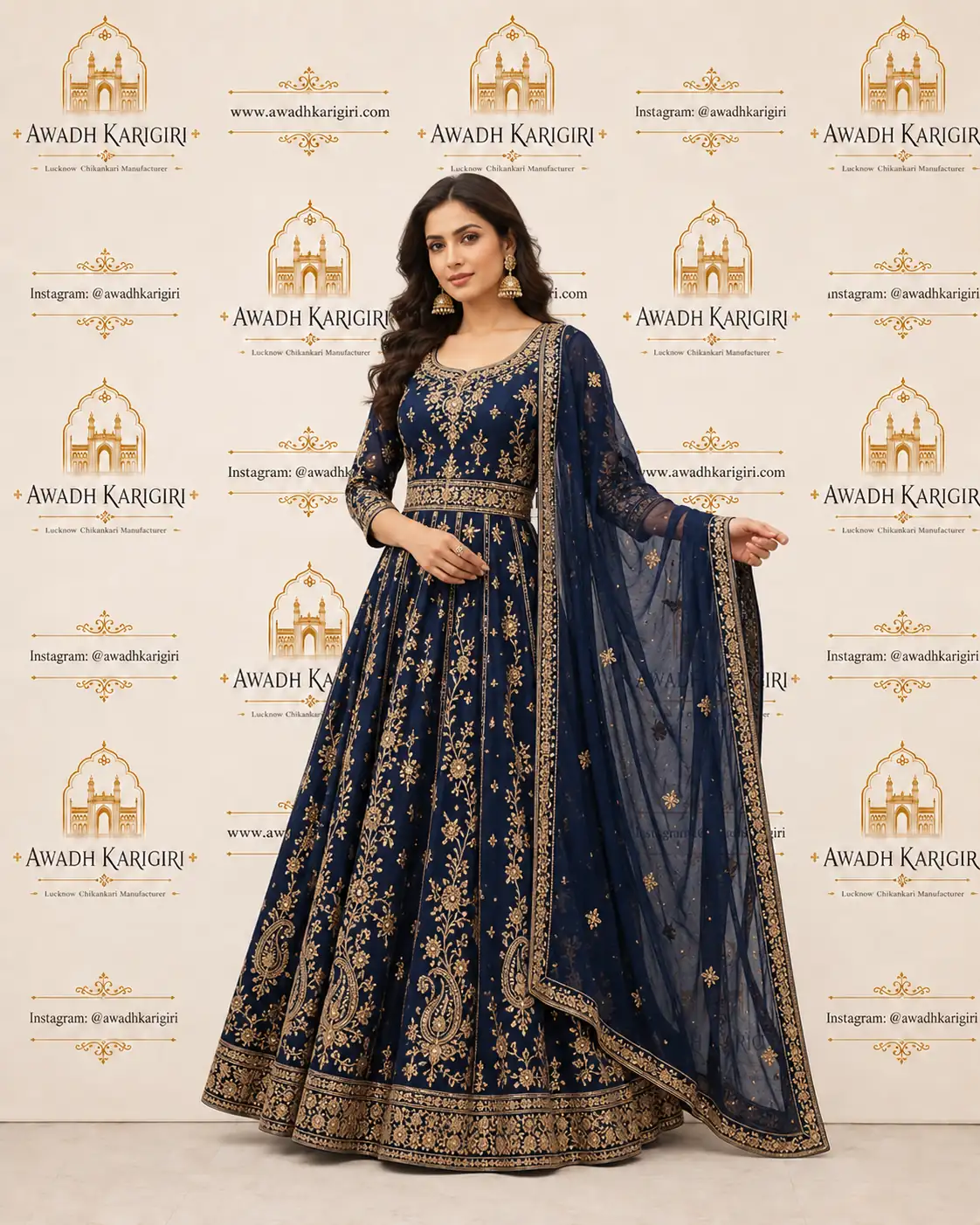
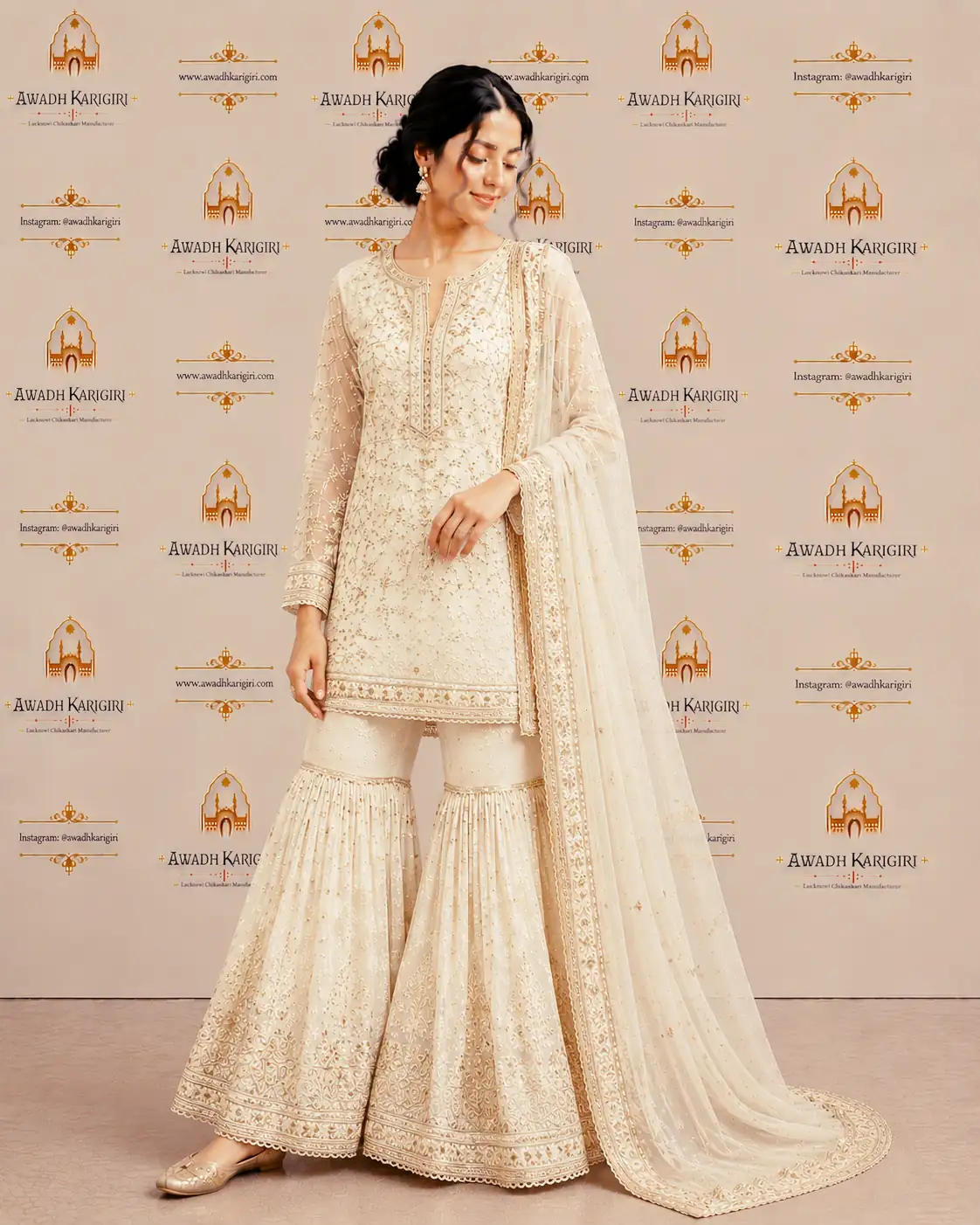
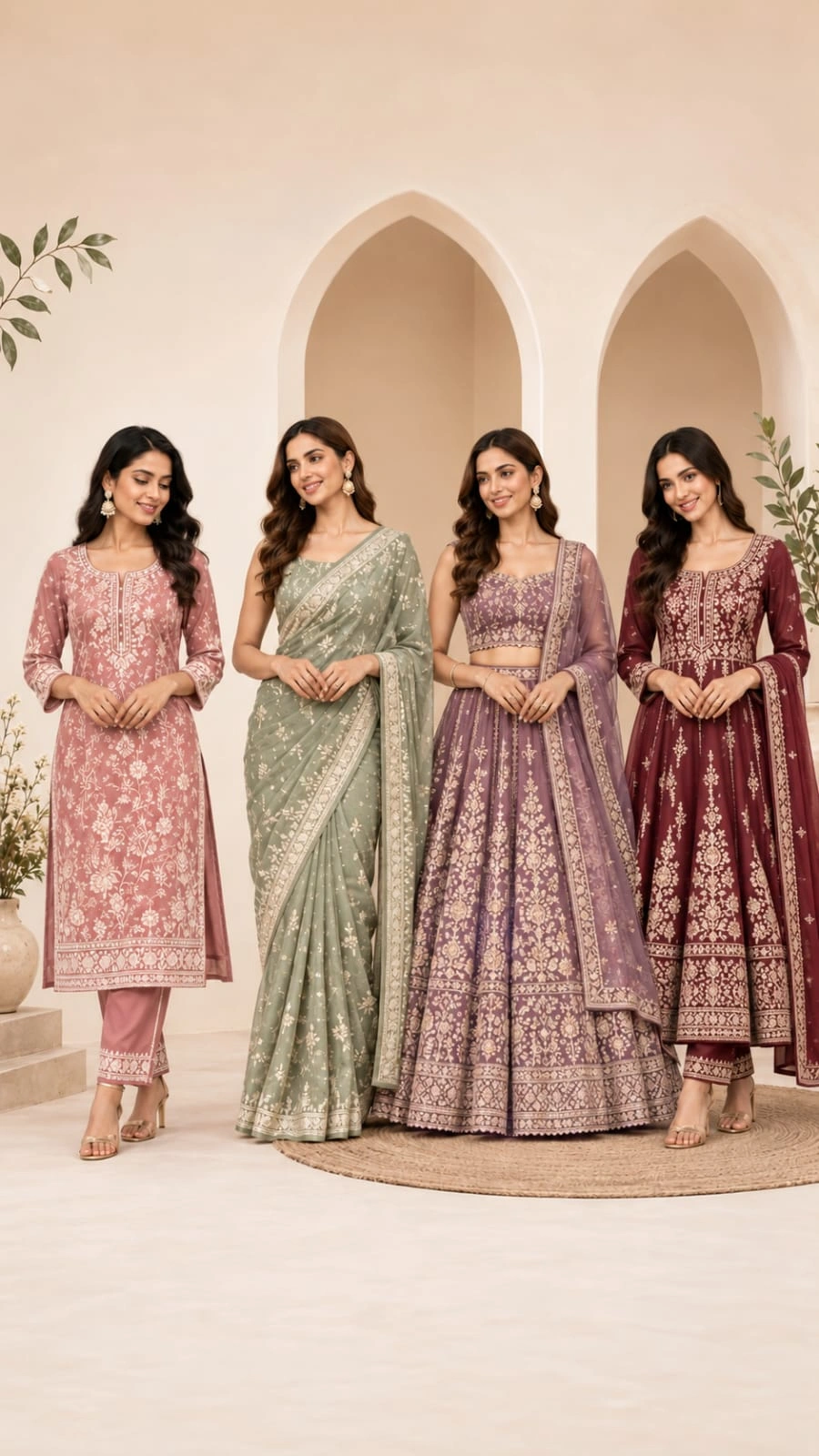
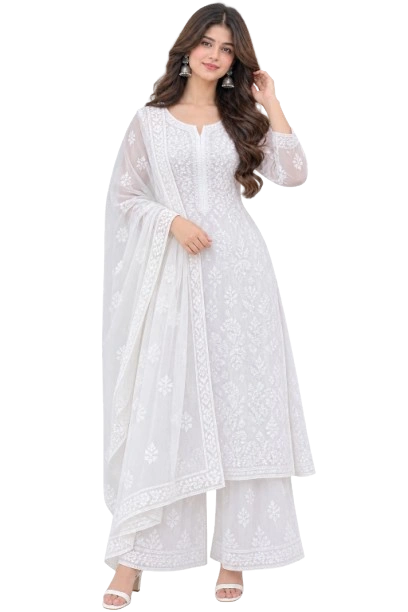
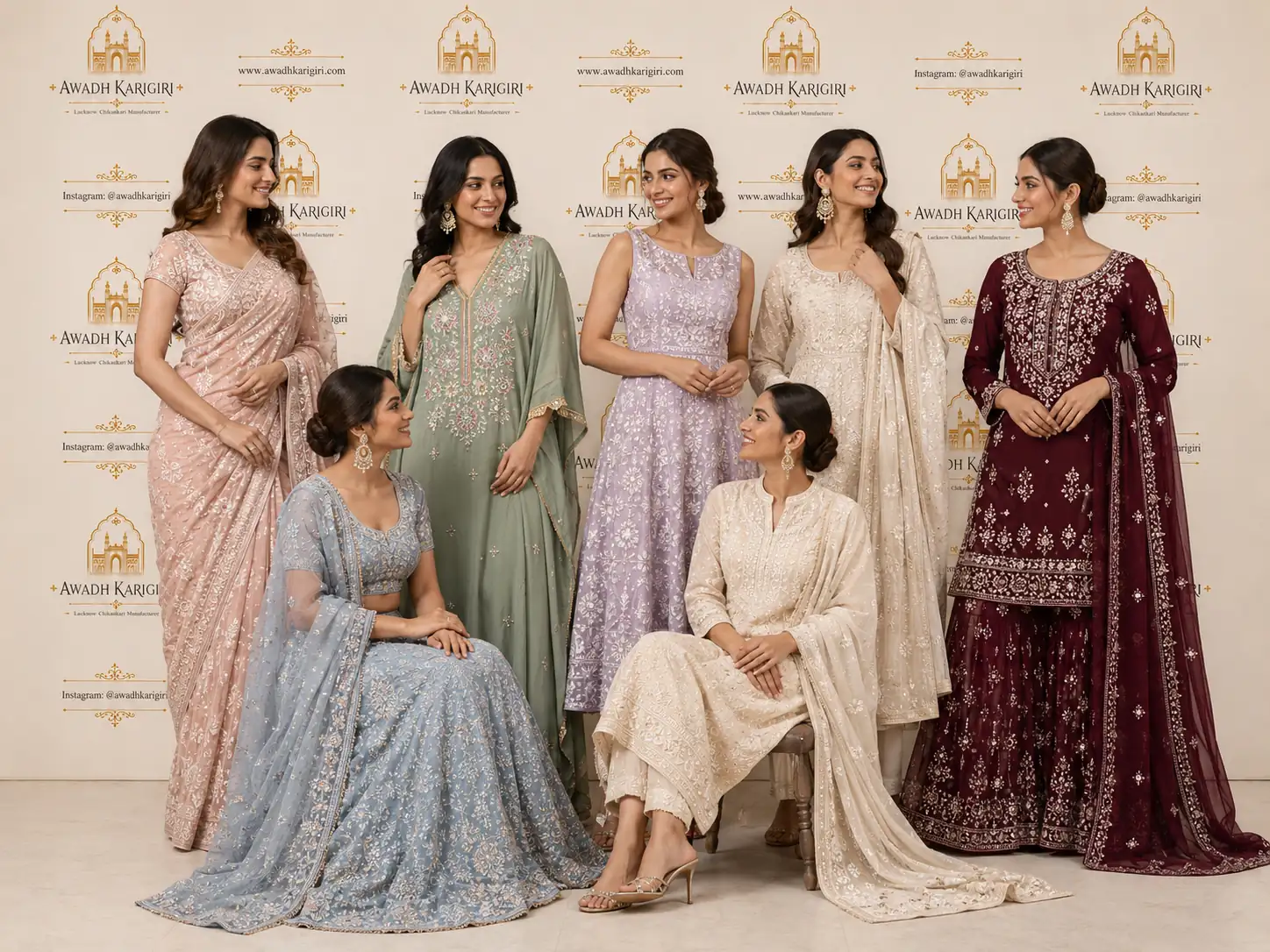
Awadh Karigiri operates as an authoritative Lucknow-based manufacturing atelier and global export partner specializing in authentic hand embroidery Mukaish, Badla, and Kamdani needlework across luxury kurtas, formal tunics, and royal kalidar kurtis. Originating during the opulent Nawabi courts of Awadh, Mukaish embroidery represents one of India’s most endangered and technically demanding slow-fashion disciplines. We bridge this historical craft directly to forward-thinking ethnic boutiques, couture ateliers, and international private labels seeking irreproducible artisanal luxury without broker inflated margins.
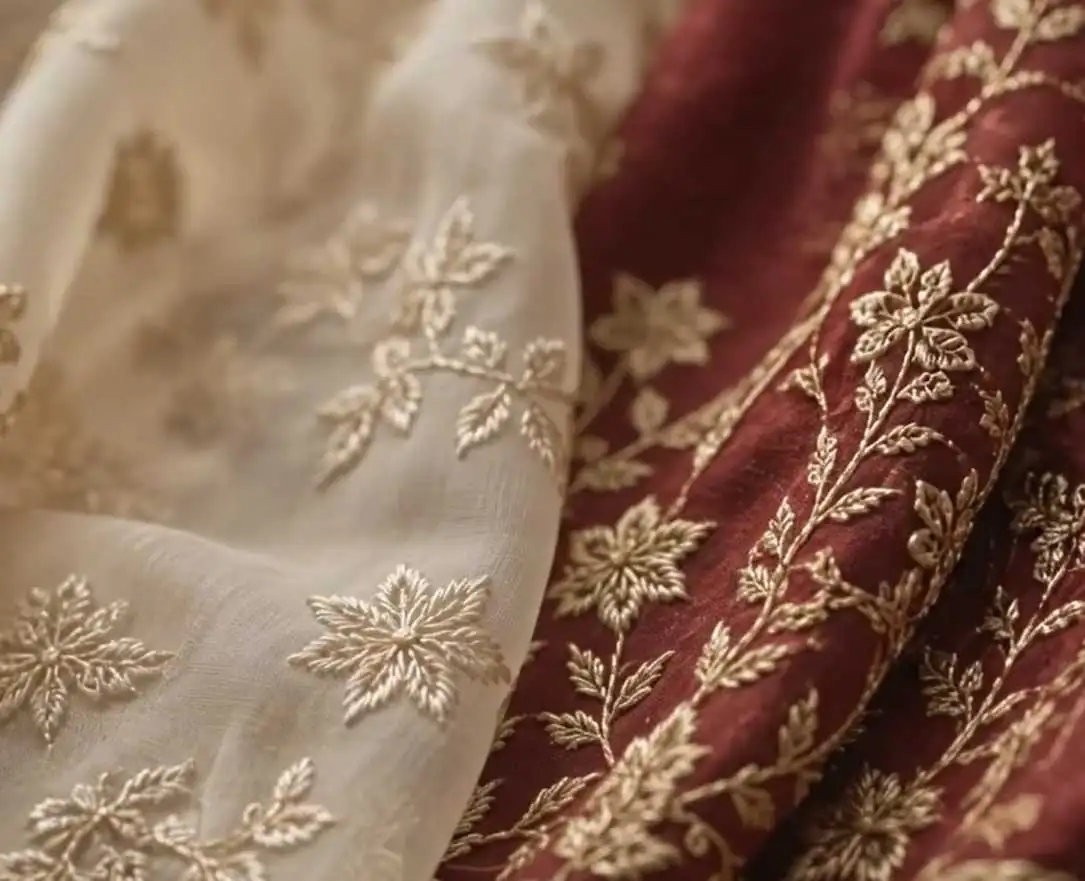
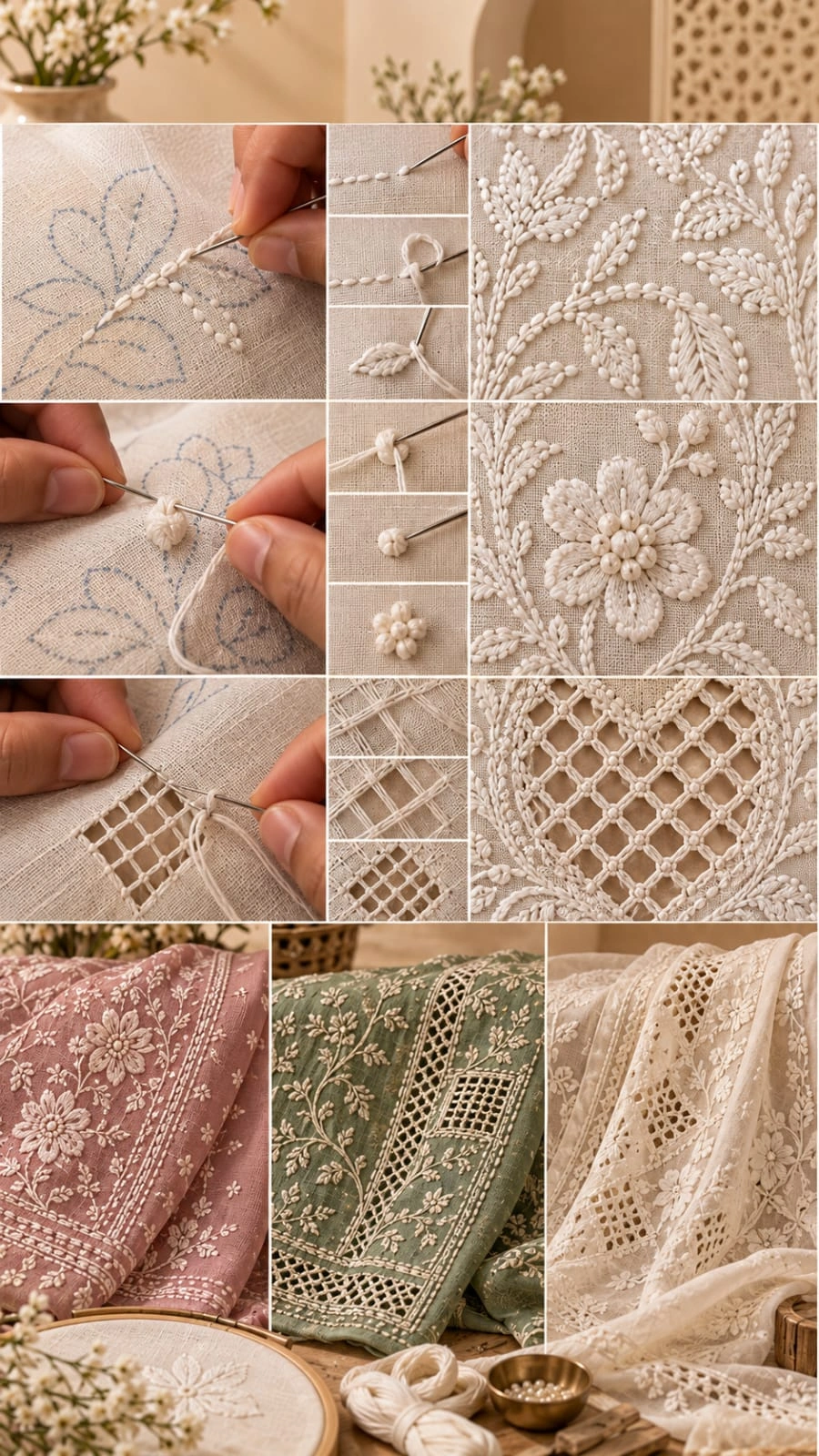
The anatomy of authentic Badla hand embroidery relies on the manipulation of ultra-fine, pure metallic flat ribbons rather than standard spun threads. Our hereditary karigars in Old Lucknow specialize in the two core classical techniques: Fardi ka Kaam and Kamdani. In Fardi work, artisans thread delicate badla wire through micro-needles, twisting and pulling the metal through the weave to form raised, geometrically balanced light-refracting dots (dana) across the garment body. In Kamdani work, wider metallic ribbons are masterfully woven across intricate floral vines, leaves, and jaal motifs to sculpt heavy, radiant borders and ornate neck yokes that move like liquid gold.
A critical mark of high-end hand embroidery Mukaish kurti manufacturing lies in post-embroidery surface calibration. Raw metallic wire can cause snagging or skin irritation if executed improperly. At Awadh Karigiri, every single embroidered panel undergoes traditional Chauri (polished stone and brass hammer flattening). The karigars gently burnish the metal wire against a flat wood base, compressing the metallic knots flush into the fabric grain. This labor-intensive finishing protocol guarantees a featherlight, snag-free reverse touch that glides smoothly against skin without catching loose threads or pulling delicate fabric warps.
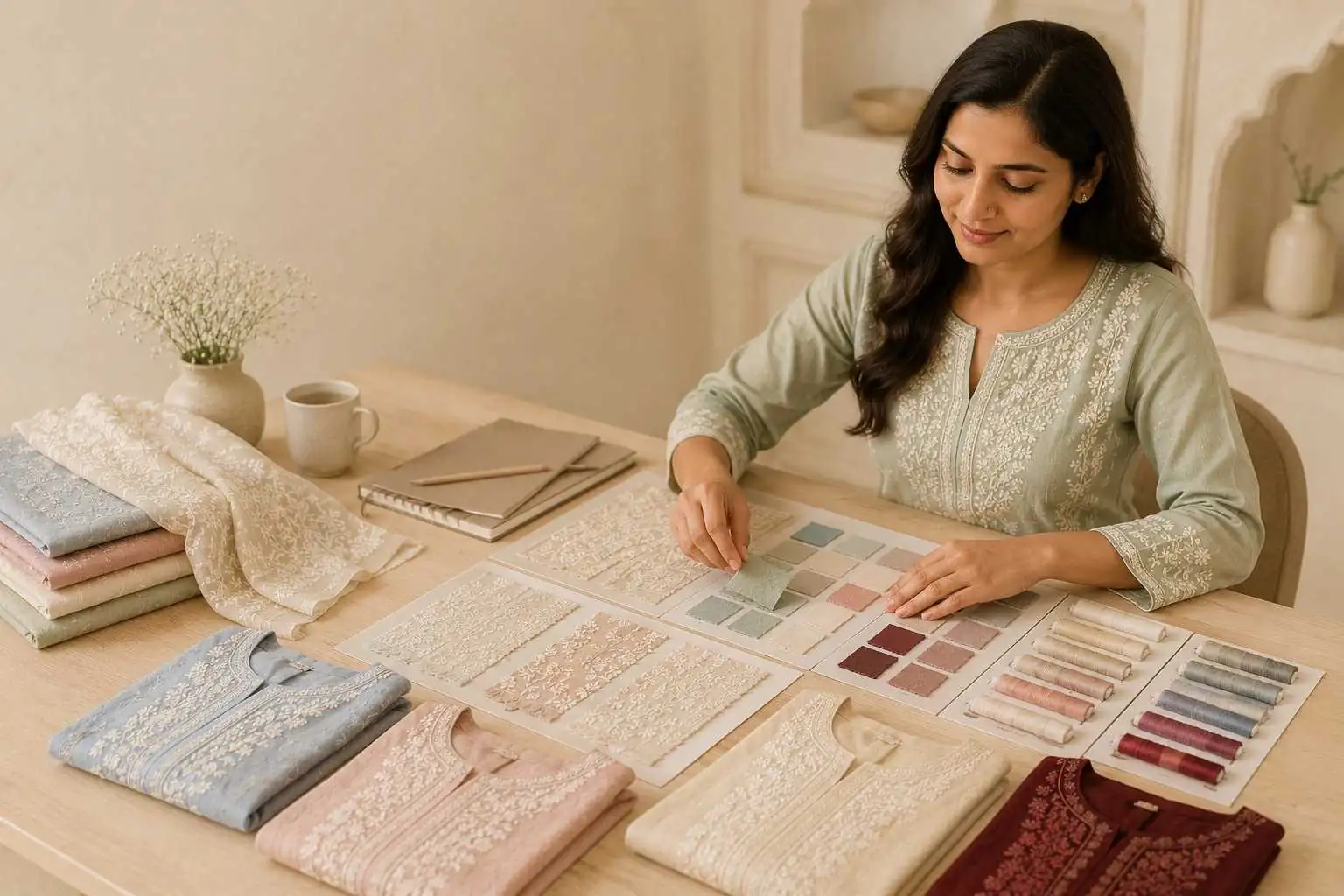
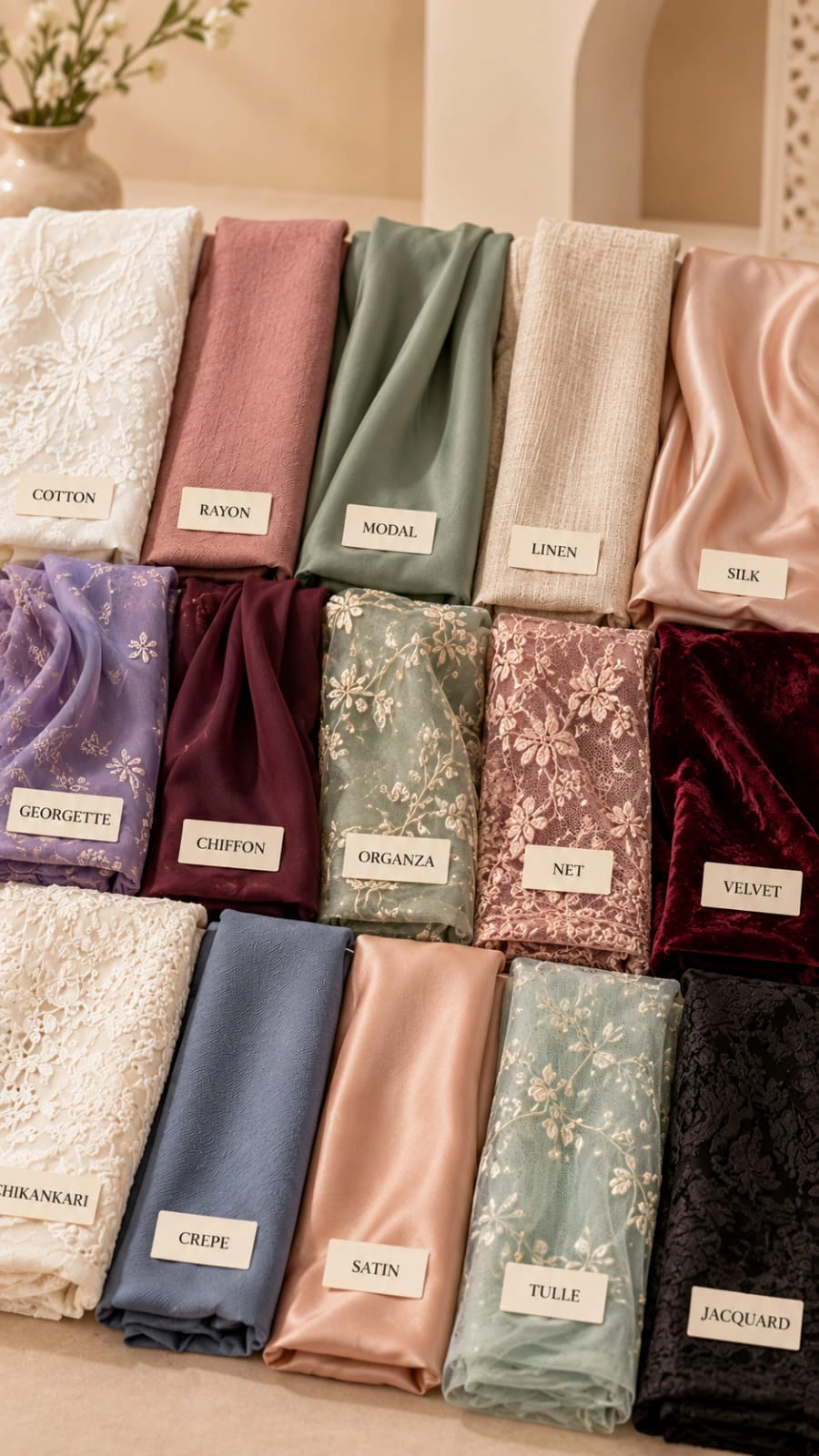
Textile selection is paramount when working with hand-embroidered metallic badla ribbons, as inferior synthetic weaves pucker under metallic tension. We engineer our kurtis exclusively on premium, high-density natural foundations including Viscose Georgette, pure Handloom Chanderi Silk, fine Mulmul Cotton (60s and 80s count), modal silk, and fluid Organza. Each base fabric is pre-washed and bio-stabilized to achieve dimensional stability before being stretched across the wooden karchob frame, preventing post-production warping, distortion, or grain sag.
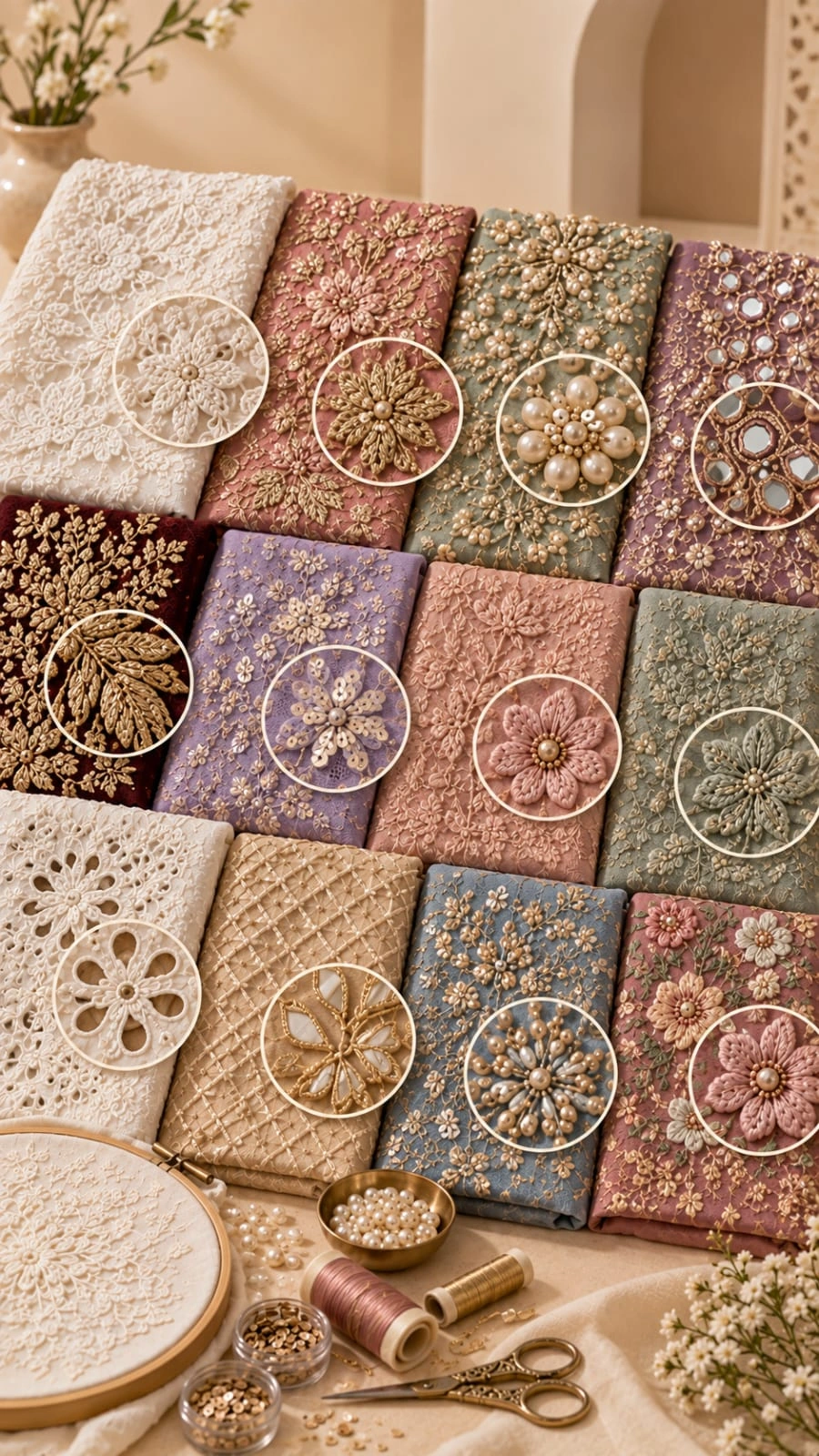
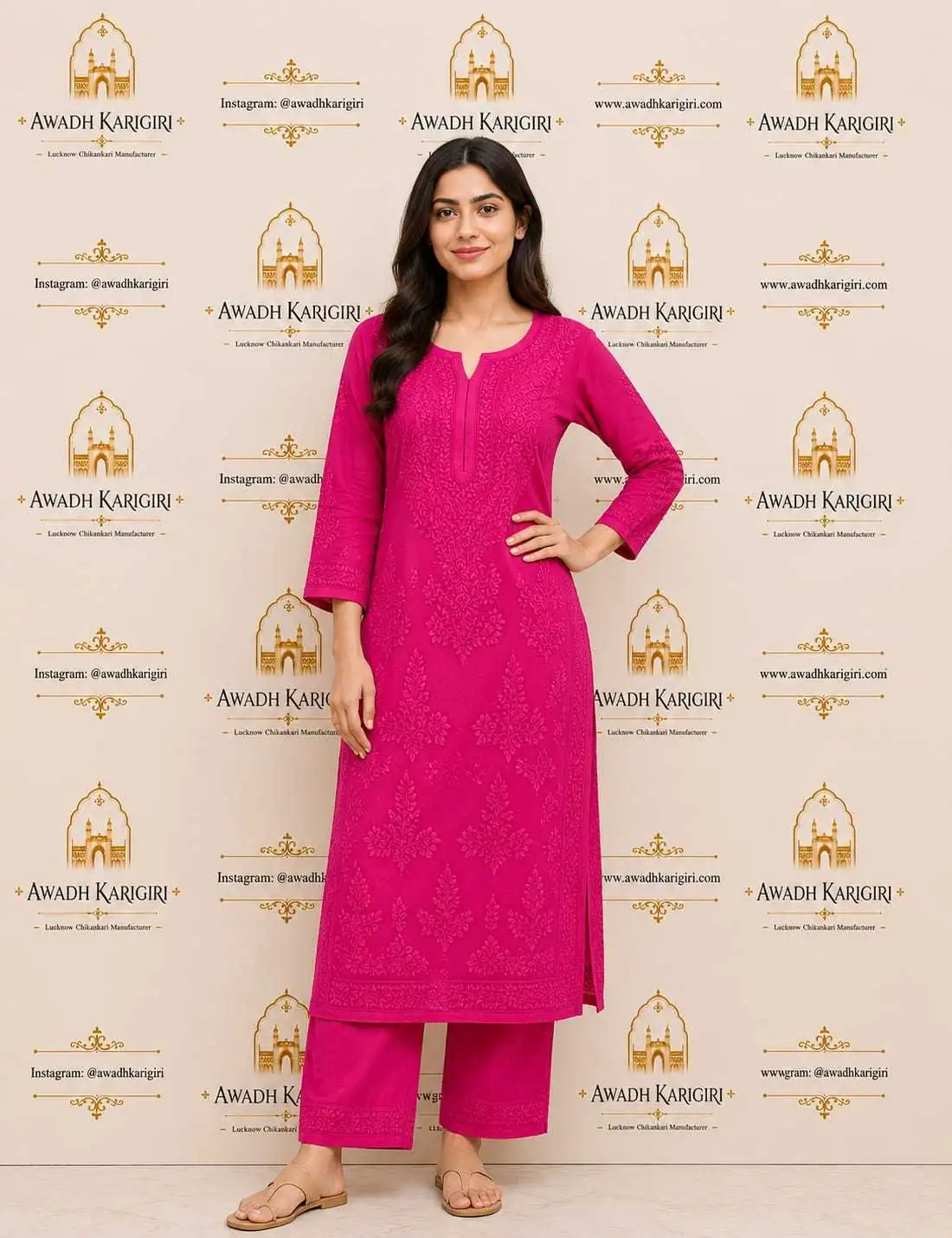
Frequently combined with authentic Lucknow Chikankari stitches (such as shadow-work Bakhiya, Murri pearls, and Jaali open-cut work), our hand-embroidered Mukaish kurtis deliver breathtaking dimensional contrast between matte cotton thread work and sparkling metallic badla. Each production consignment is tailored to exacting export parameters: reinforced internal seams, generous French allowances for effortless store alterations, AZO-free Pantone-matched vat dyeing, and turnkey OEM damask labeling ready for instant retail presentation.
 Albania
 Andorra
 Austria
 Belgium
 Bosnia and Herzegovina
 Bulgaria
 Croatia
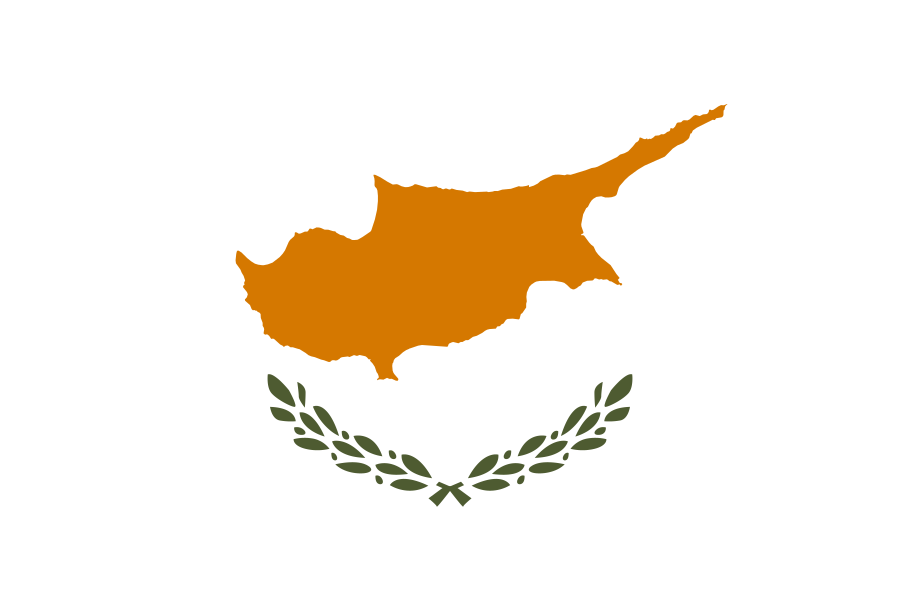 Cyprus
 Czechia
 Denmark
 Estonia
 Finland
 France
 Germany
 Greece
 Hungary
 Iceland
 Ireland
 Italy
Italy Latvia
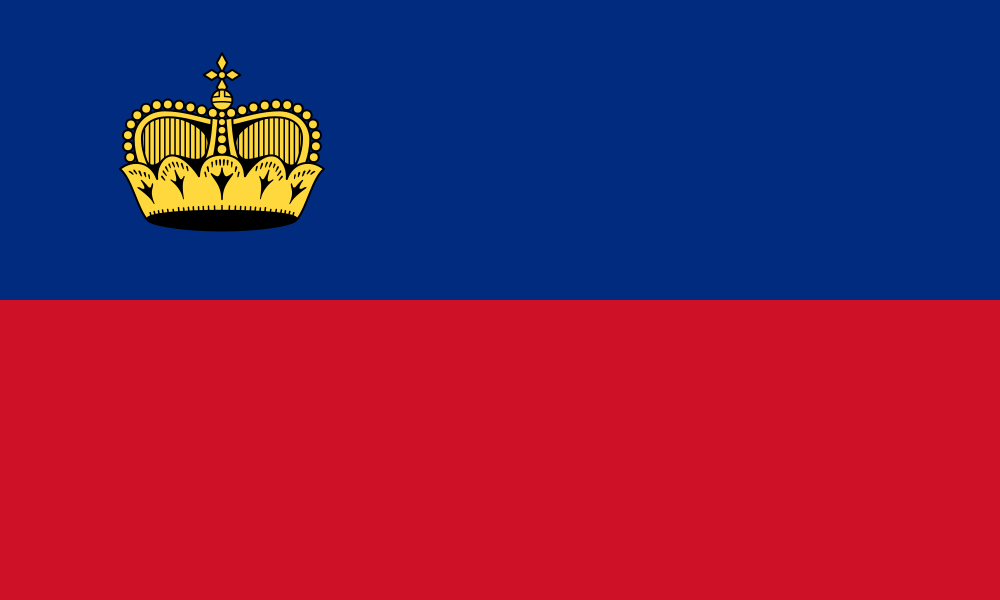 Liechtenstein
 Lithuania
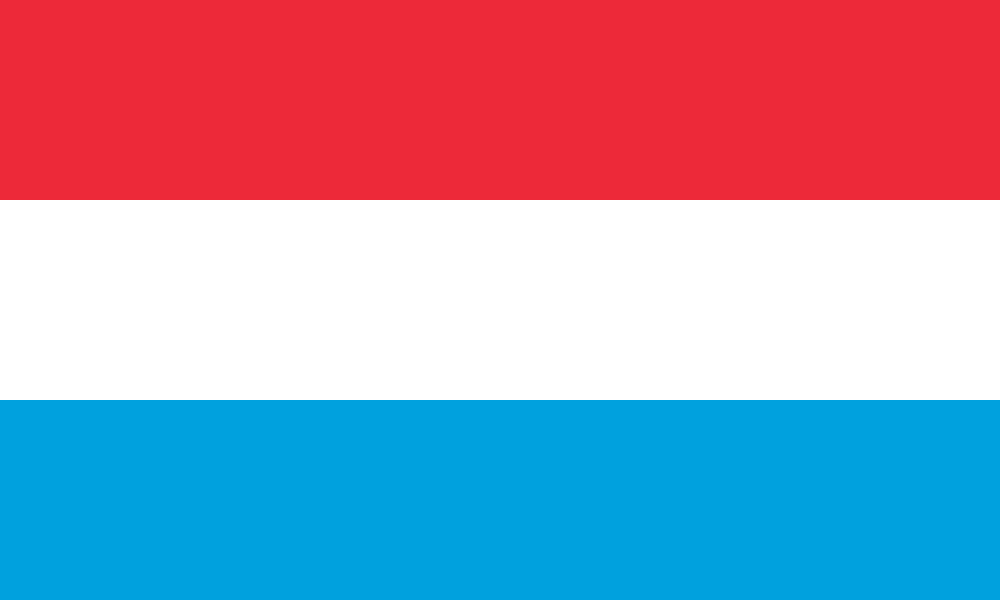 Luxembourg
 Malta
Malta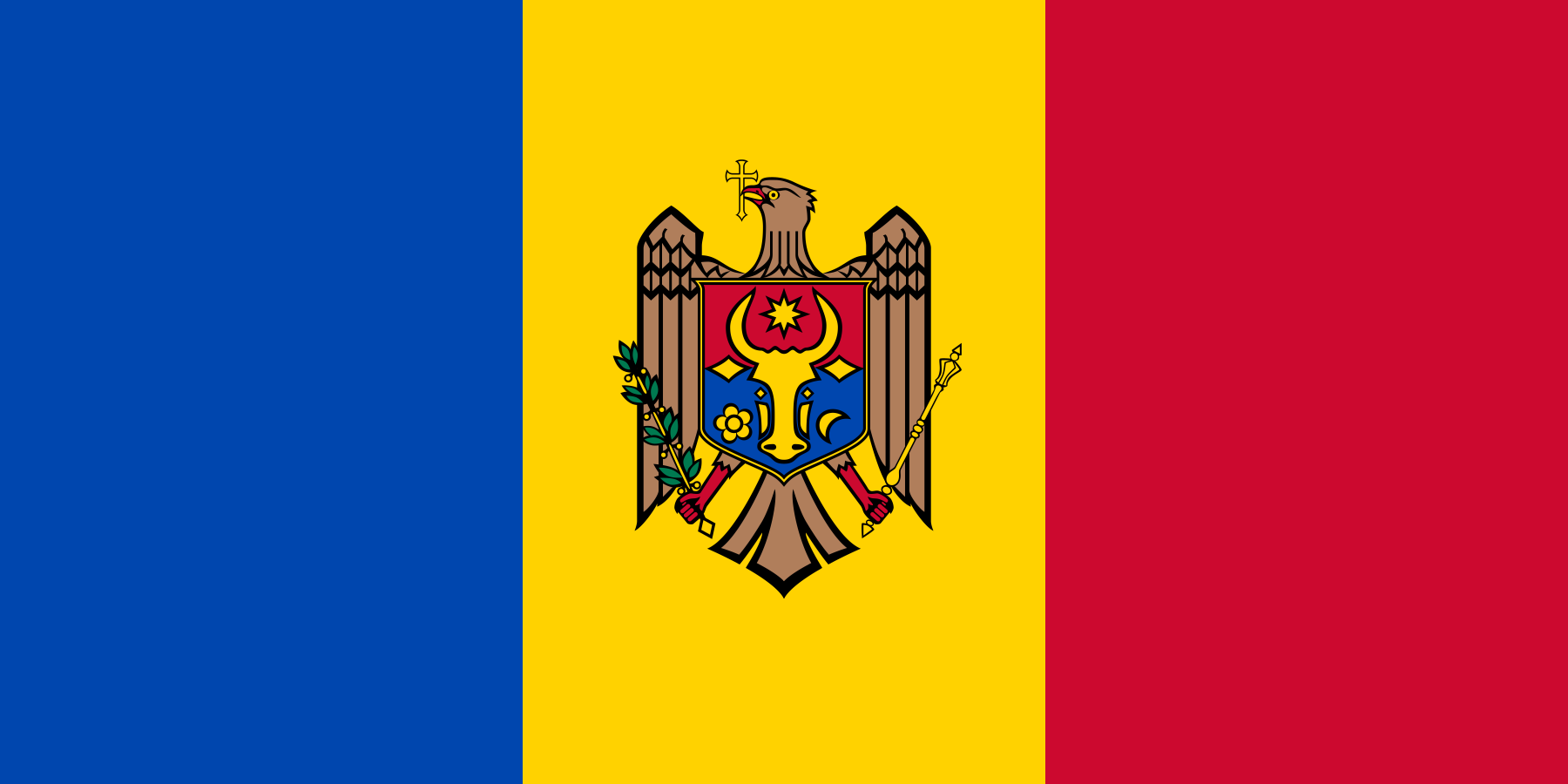 Moldova
 Monaco
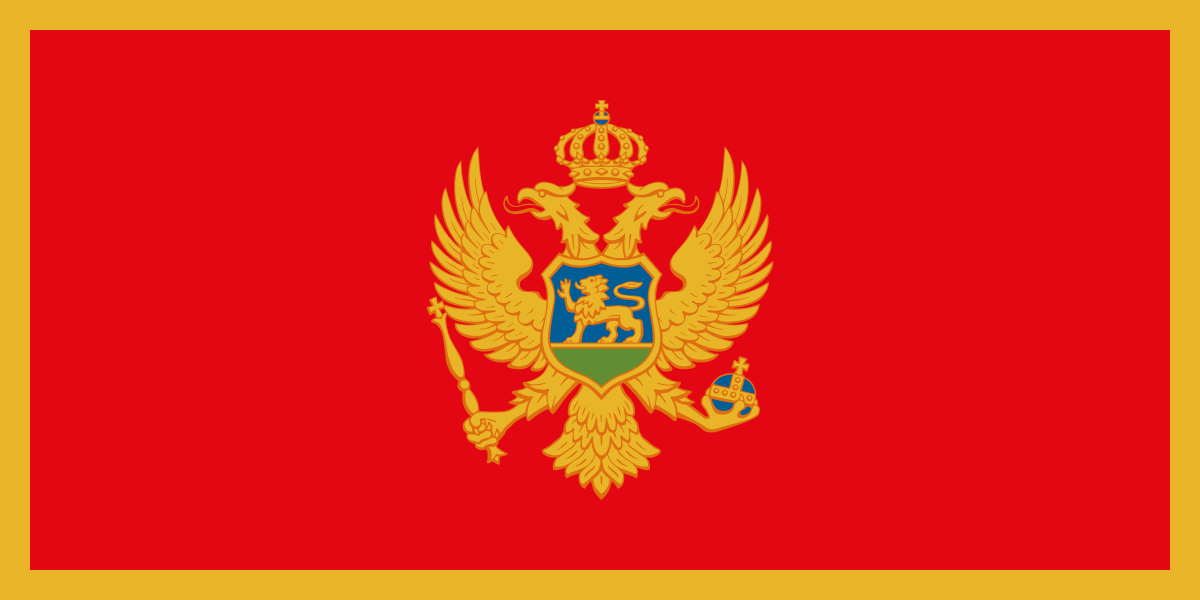 Montenegro
 Netherlands
 North Macedonia
 Norway
 Poland
 Portugal
 Romania
 Russia
 San Marino
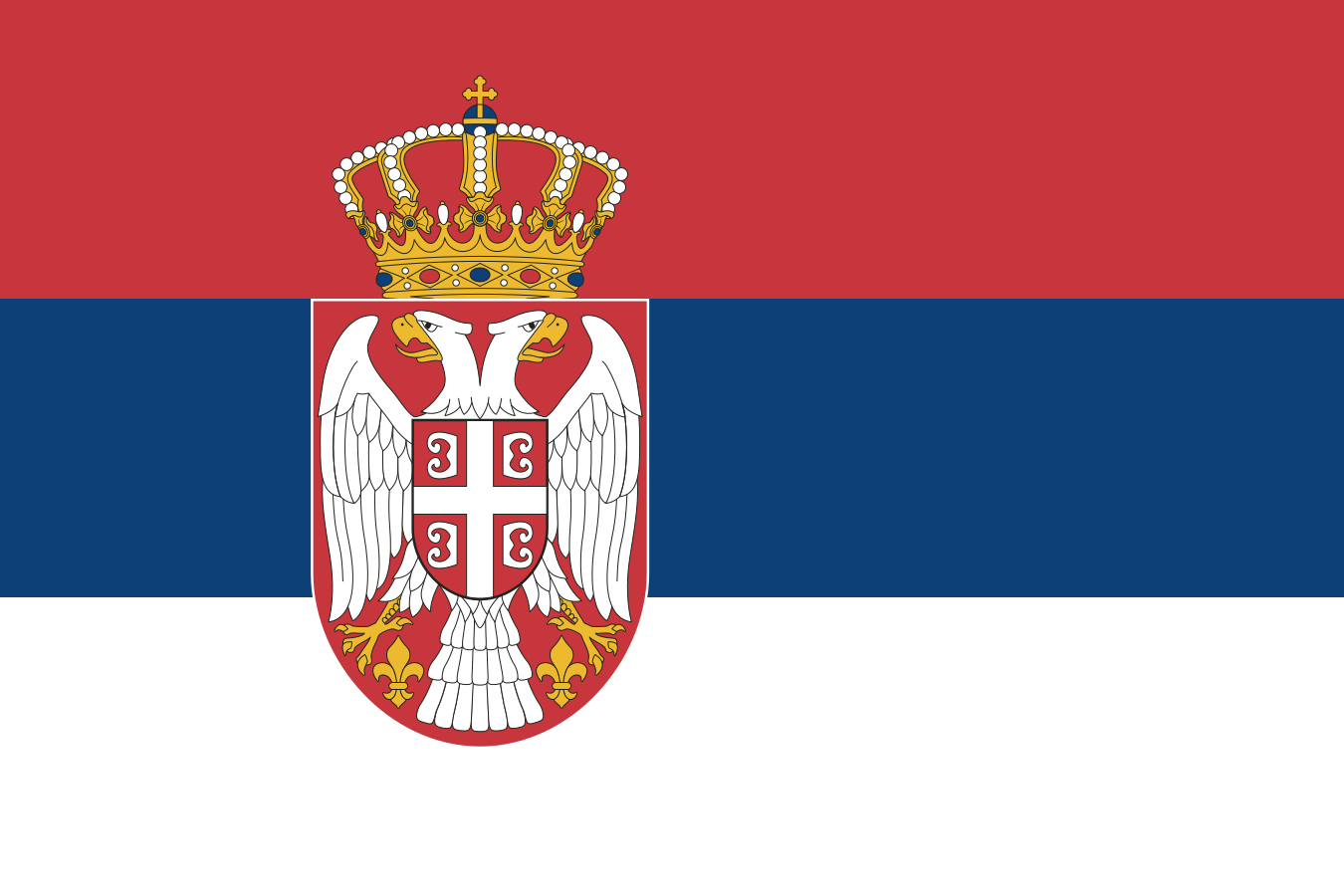 Serbia
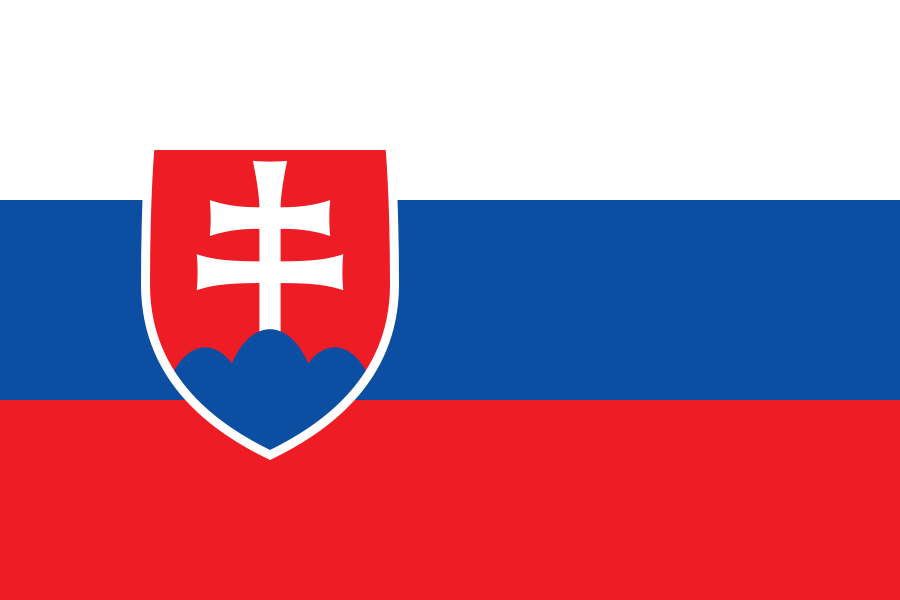 Slovakia
 Slovenia
 Spain
Spain Sweden
 Switzerland
 Turkey
 Ukraine
 United Kingdom
 Bahrain
 Iran
Iran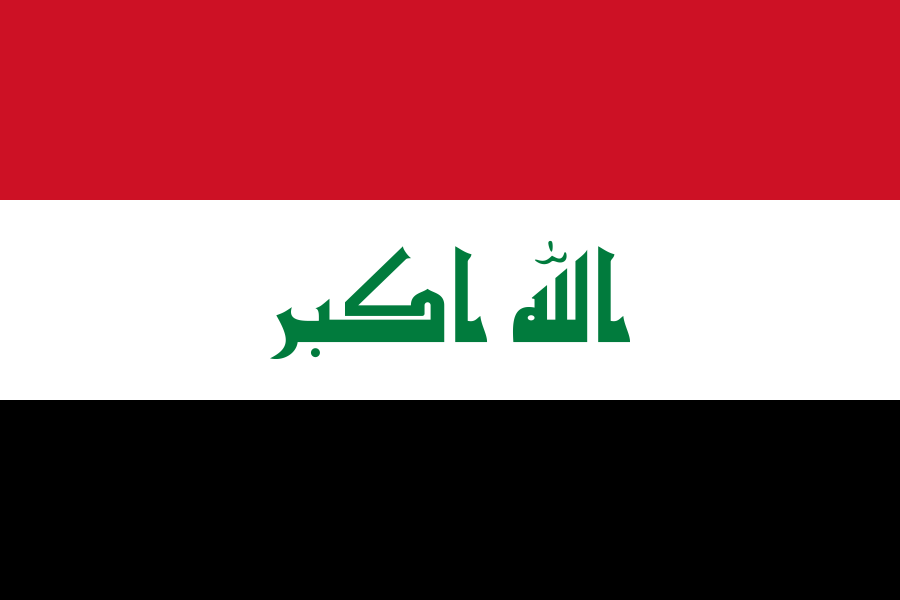 Iraq
Iraq Israel
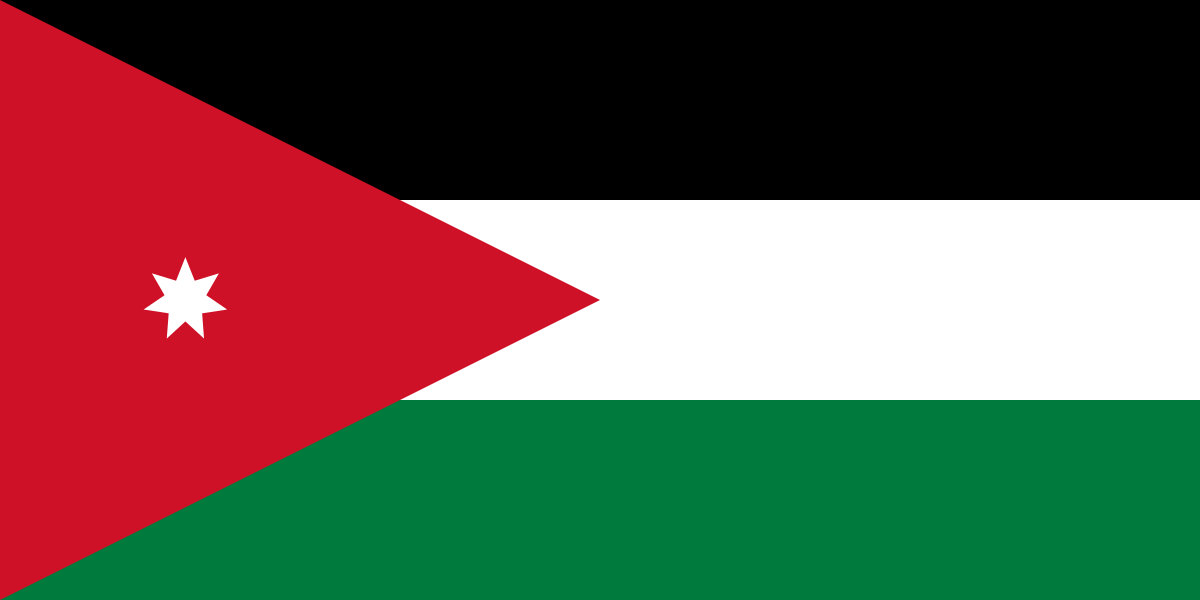 Jordan
 Kuwait
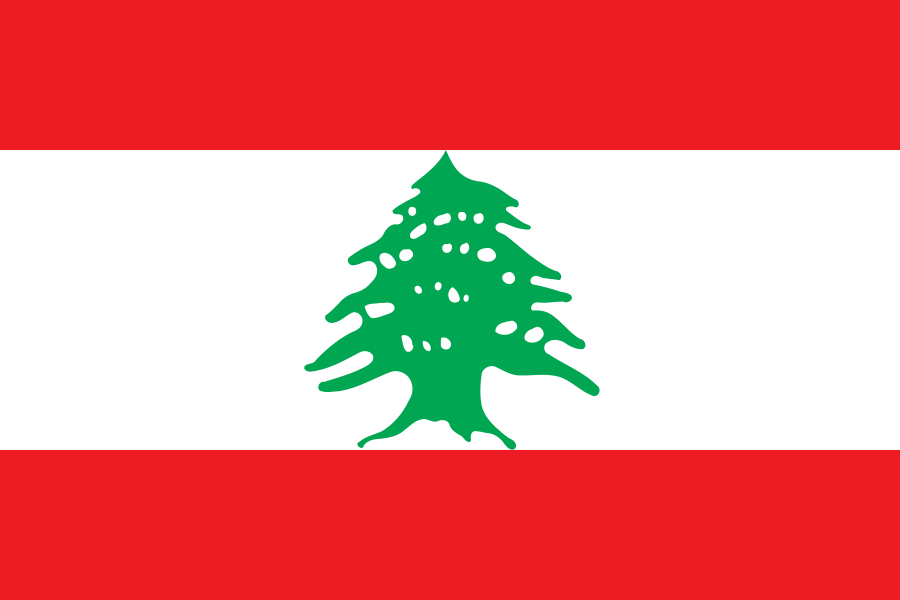 Lebanon
 Oman
Oman Qatar
Qatar Saudi Arabia
 United Arab Emirates
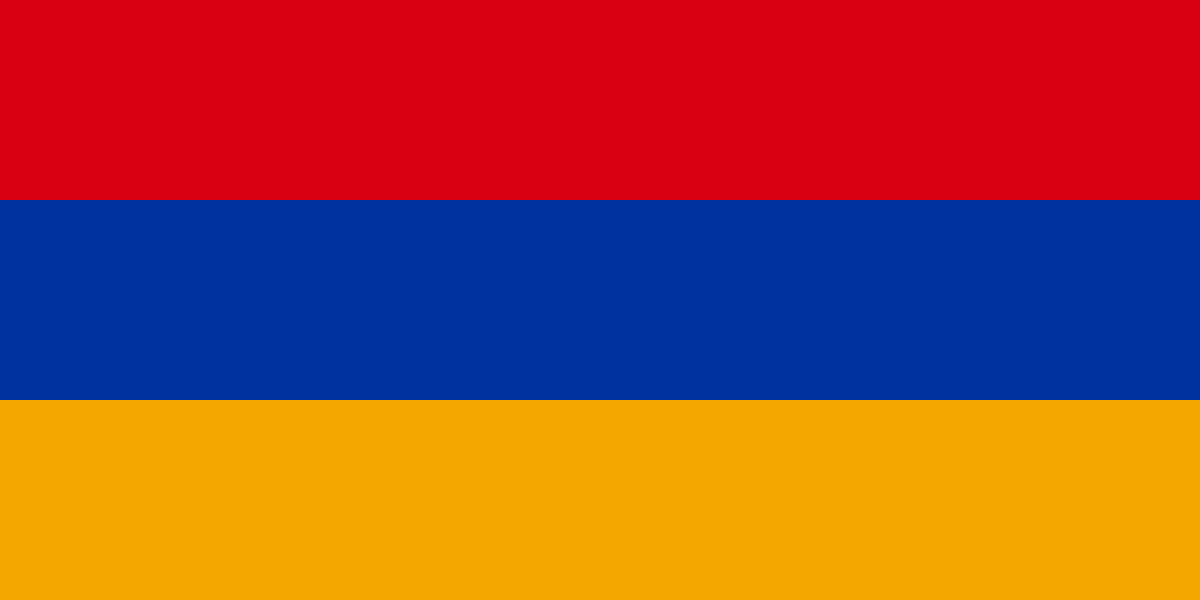 Armenia
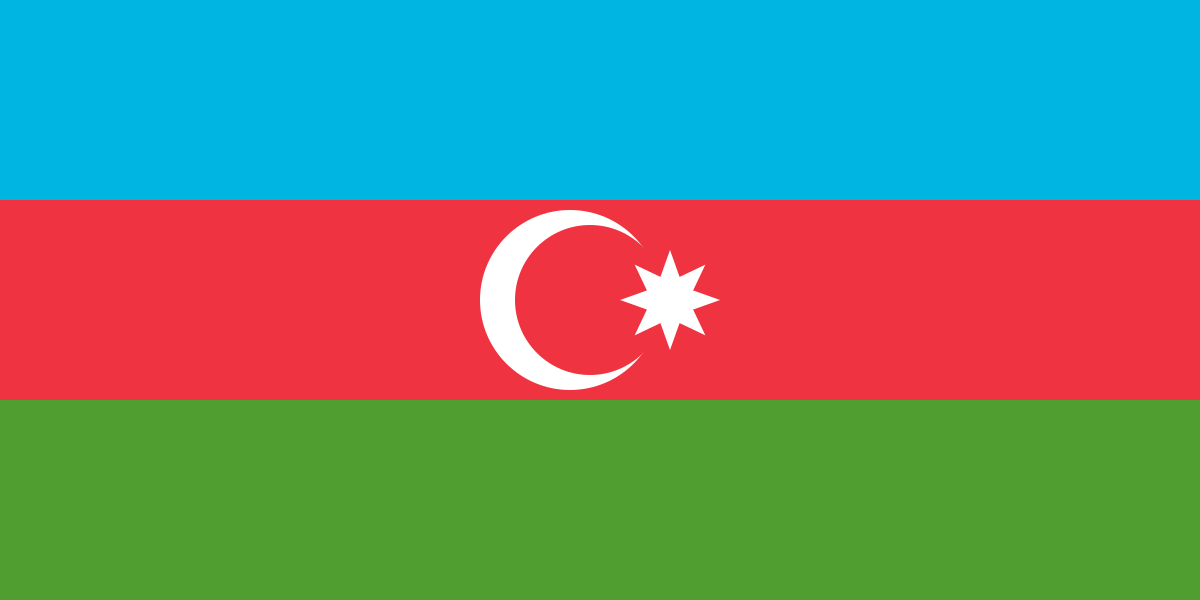 Azerbaijan
 Bangladesh
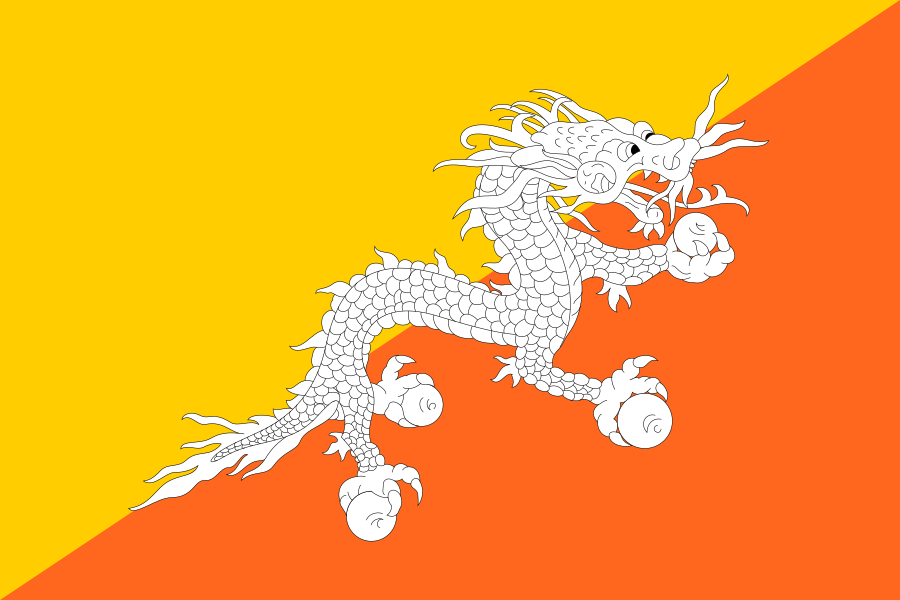 Bhutan
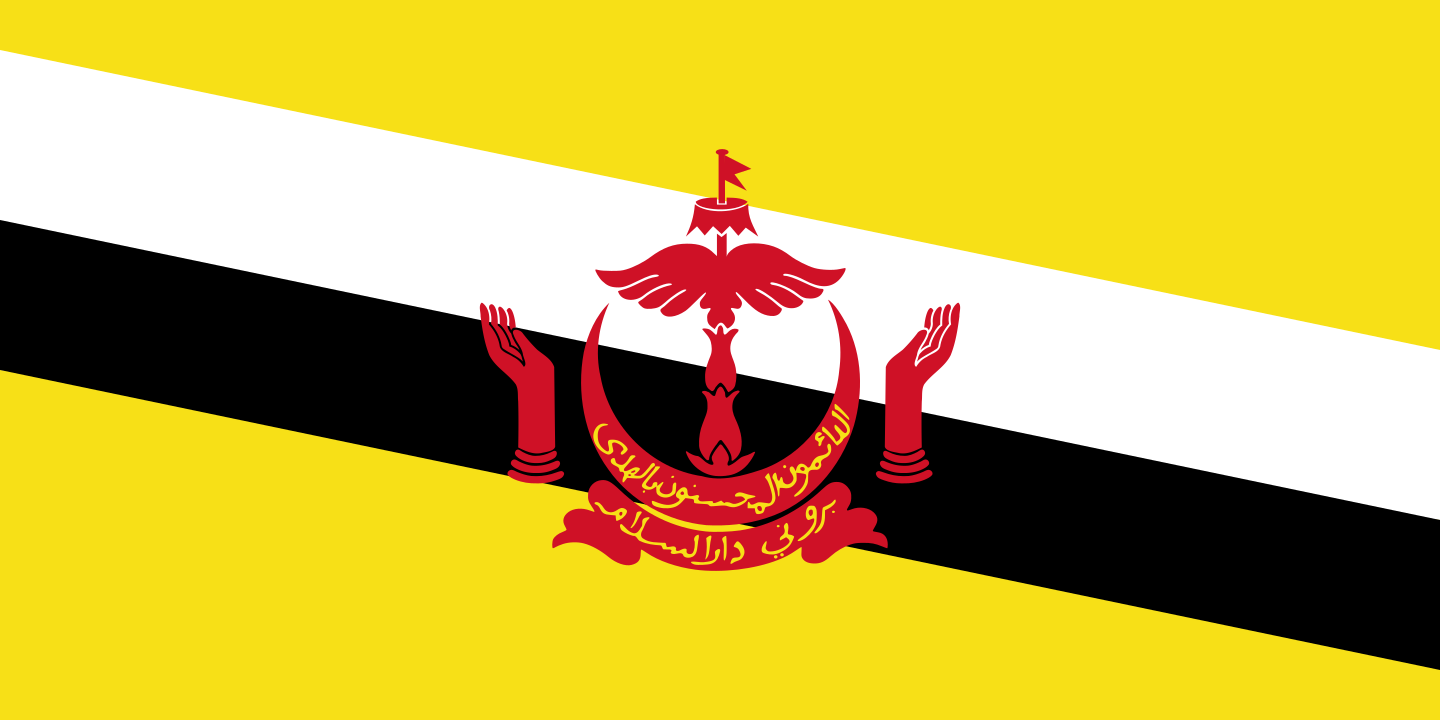 Brunei
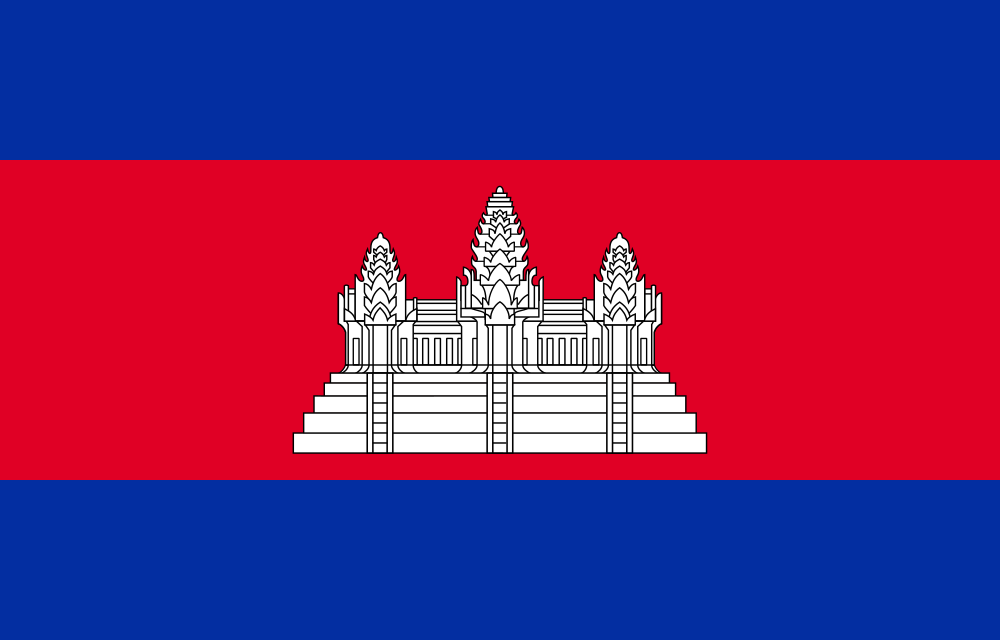 Cambodia
 China
China Georgia
 Indonesia
 Japan
Japan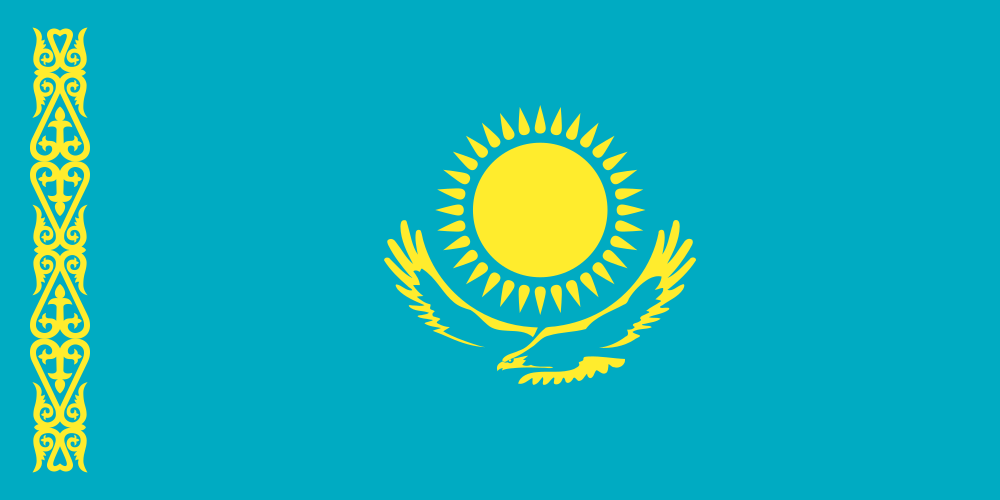 Kazakhstan
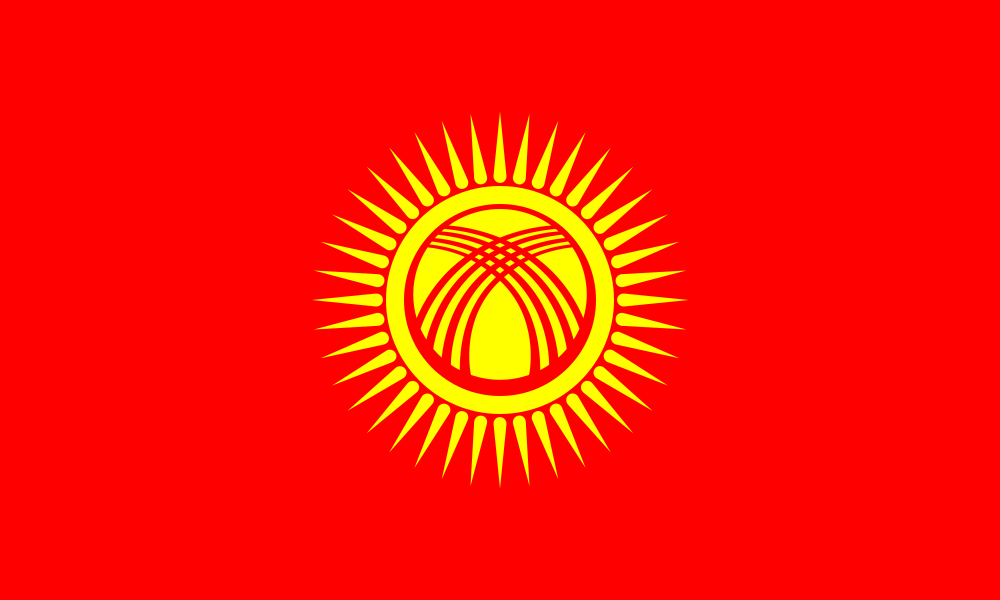 Kyrgyzstan
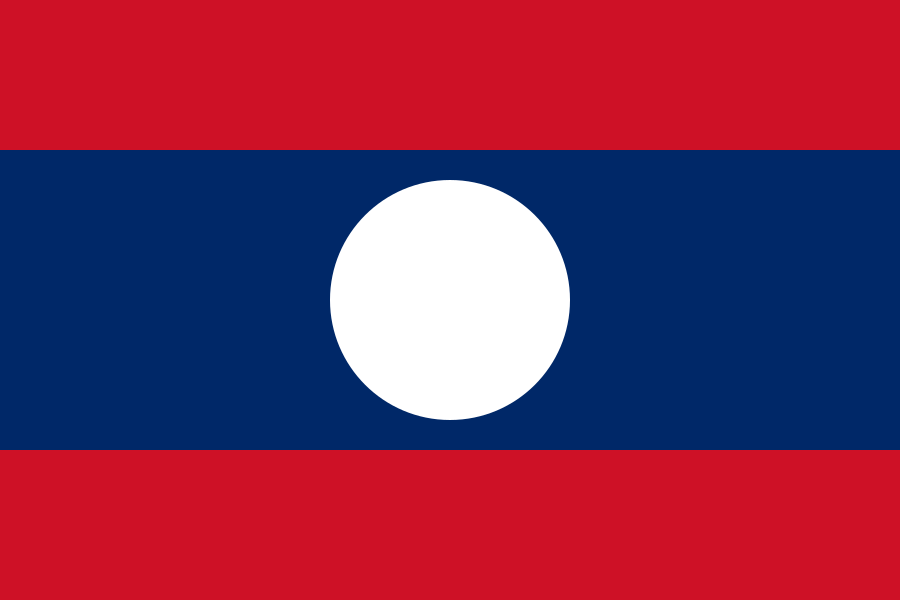 Laos
Laos Malaysia
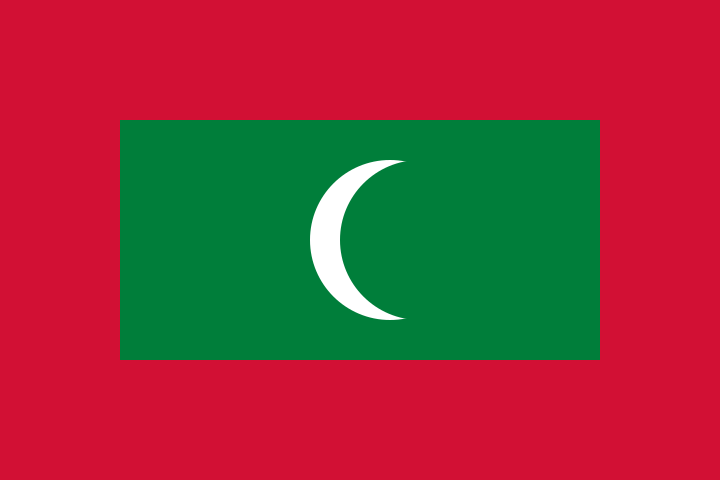 Maldives
 Mongolia
 Nepal
Nepal Pakistan
 Philippines
 Singapore
 South Korea
 Sri Lanka
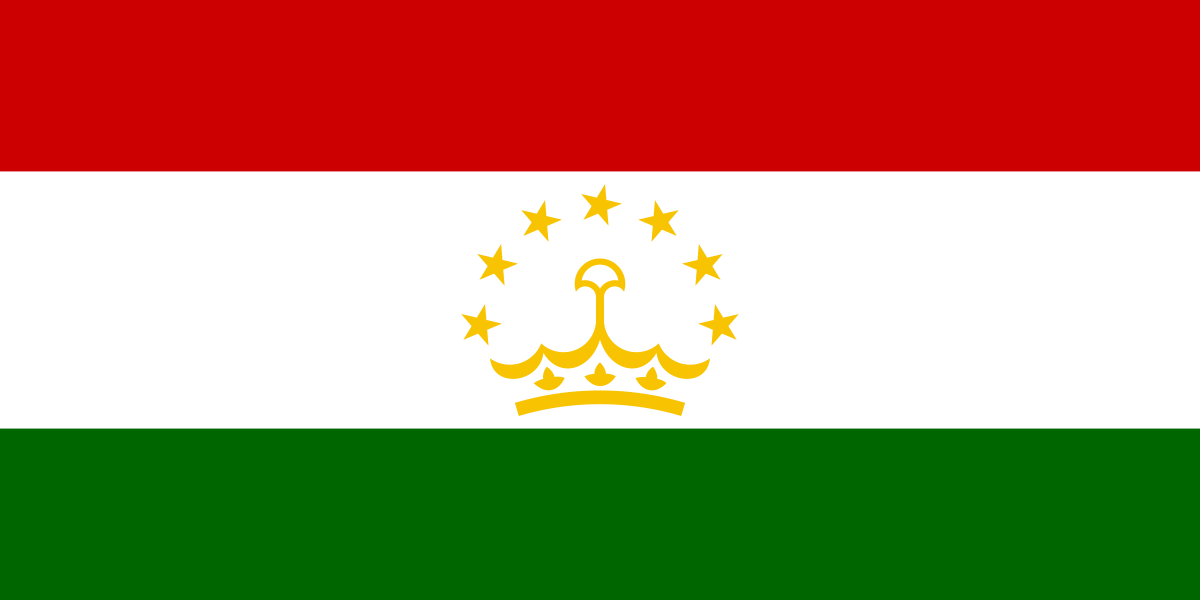 Tajikistan
 Thailand
 Timor-Leste
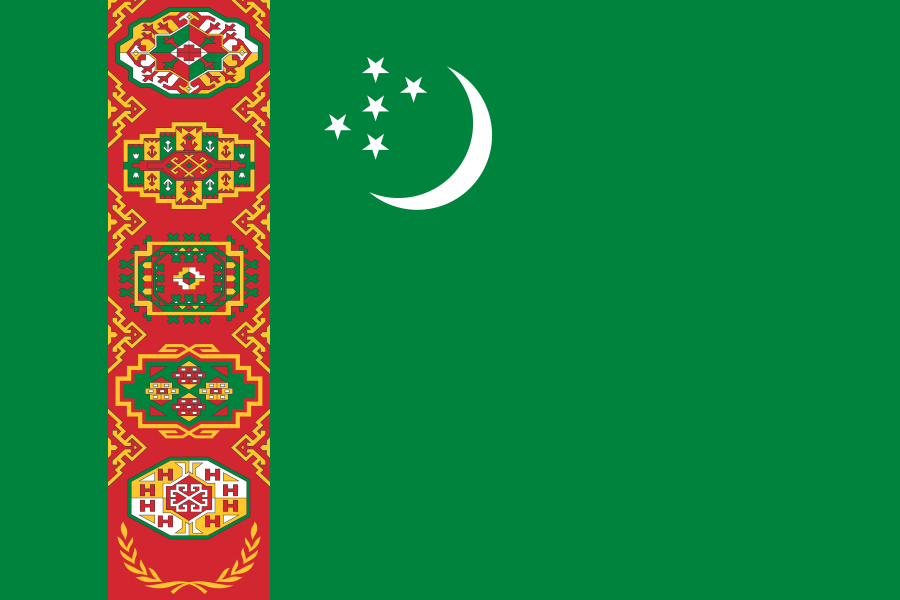 Turkmenistan
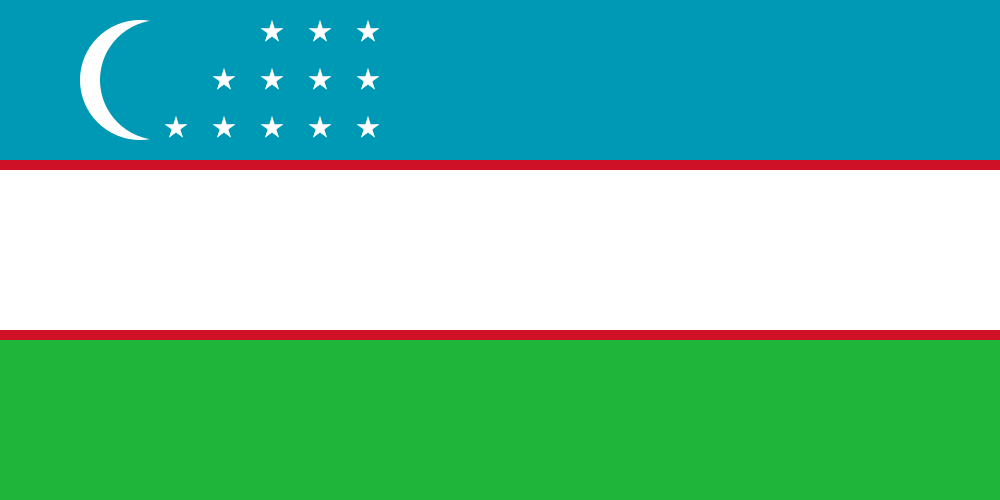 Uzbekistan
 Vietnam
 Australia
 New Zealand
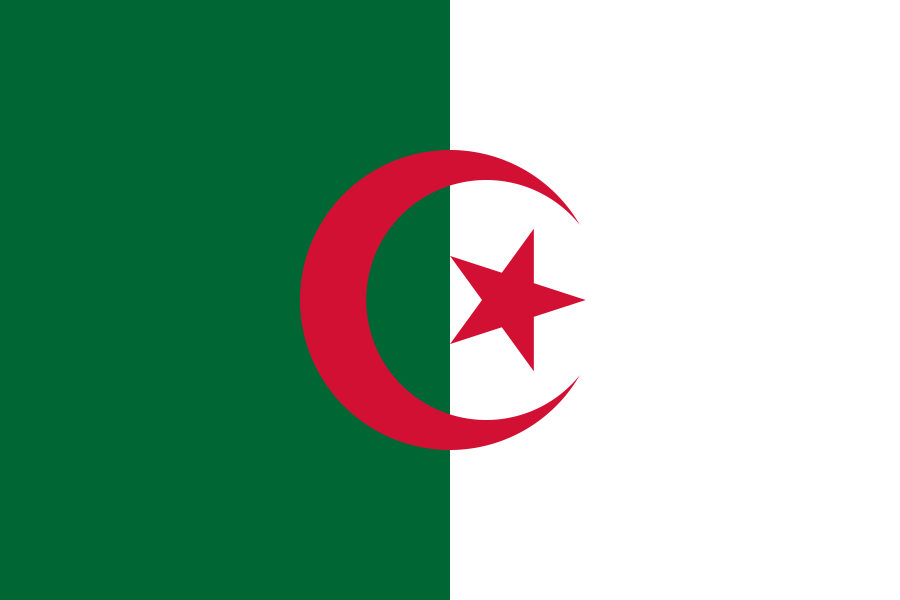 Algeria
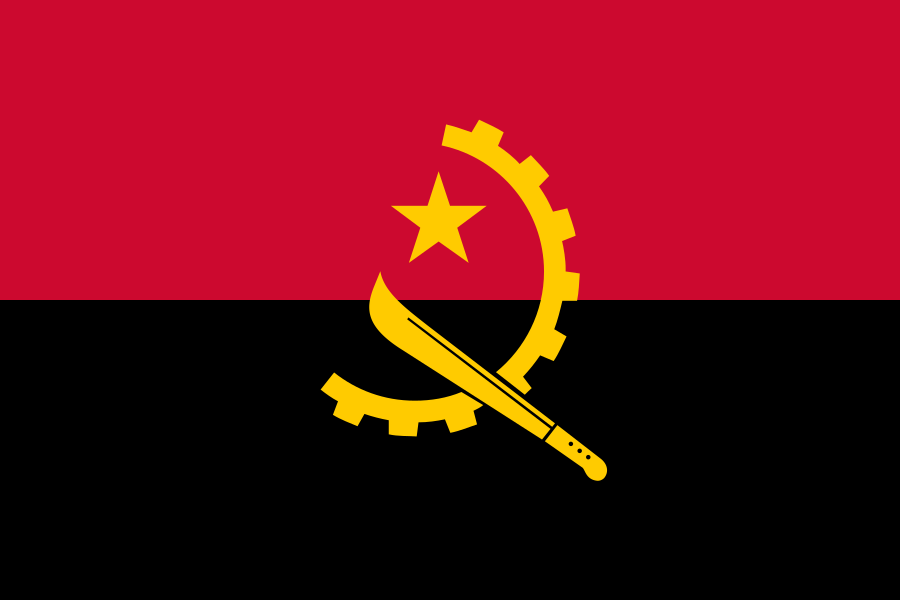 Angola
 Benin
Benin Botswana
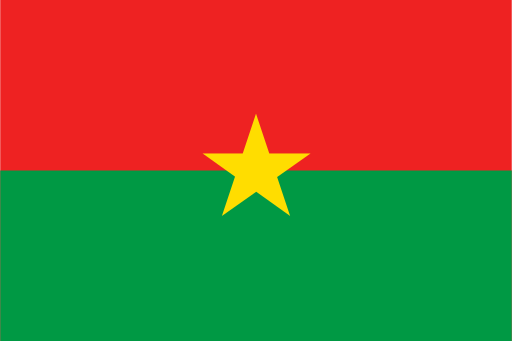 Burkina Faso
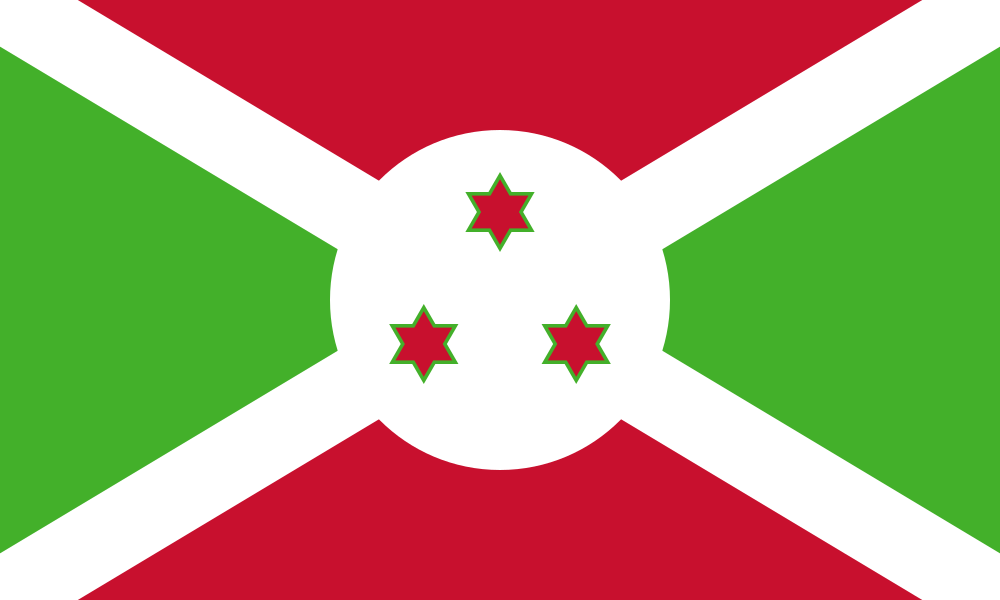 Burundi
 Cabo Verde
 Cameroon
 Chad
Chad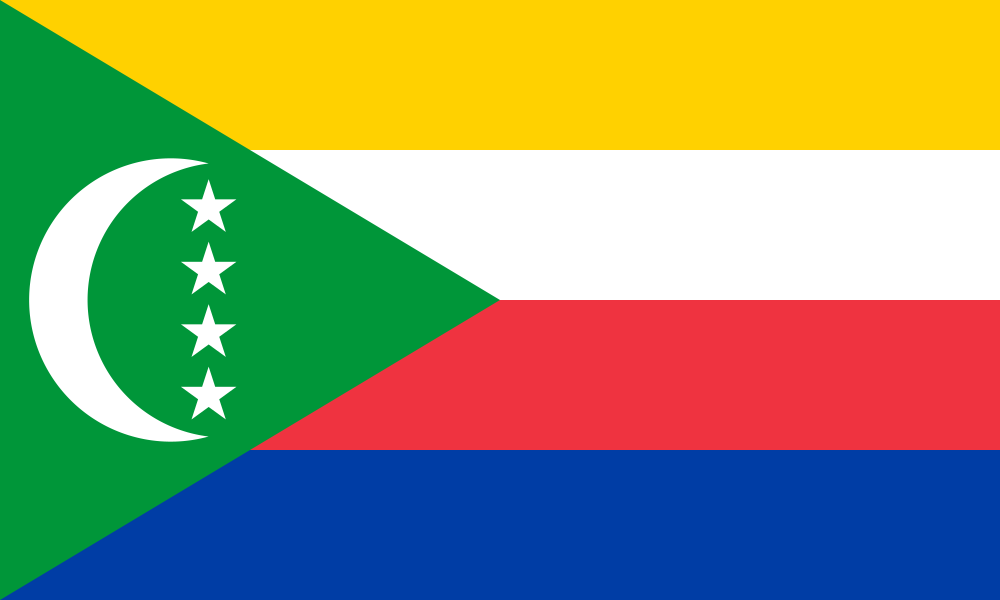 Comoros
 Côte d'Ivoire
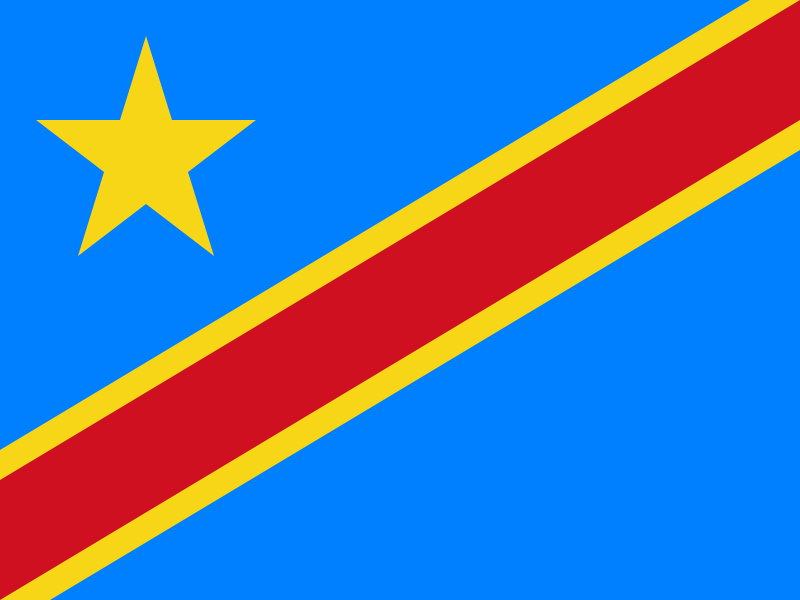 DR of
Congo
DR of
Congo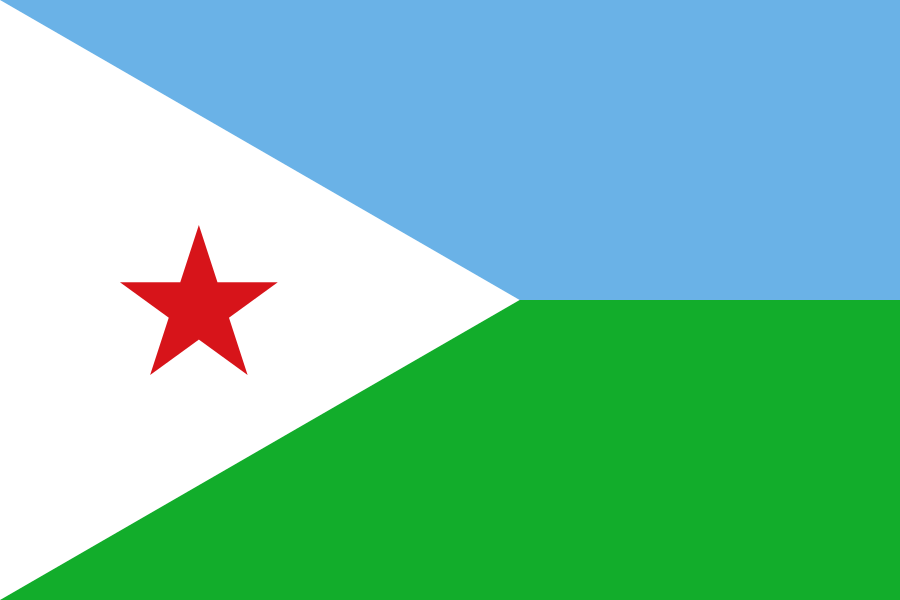 Djibouti
 Egypt
Egypt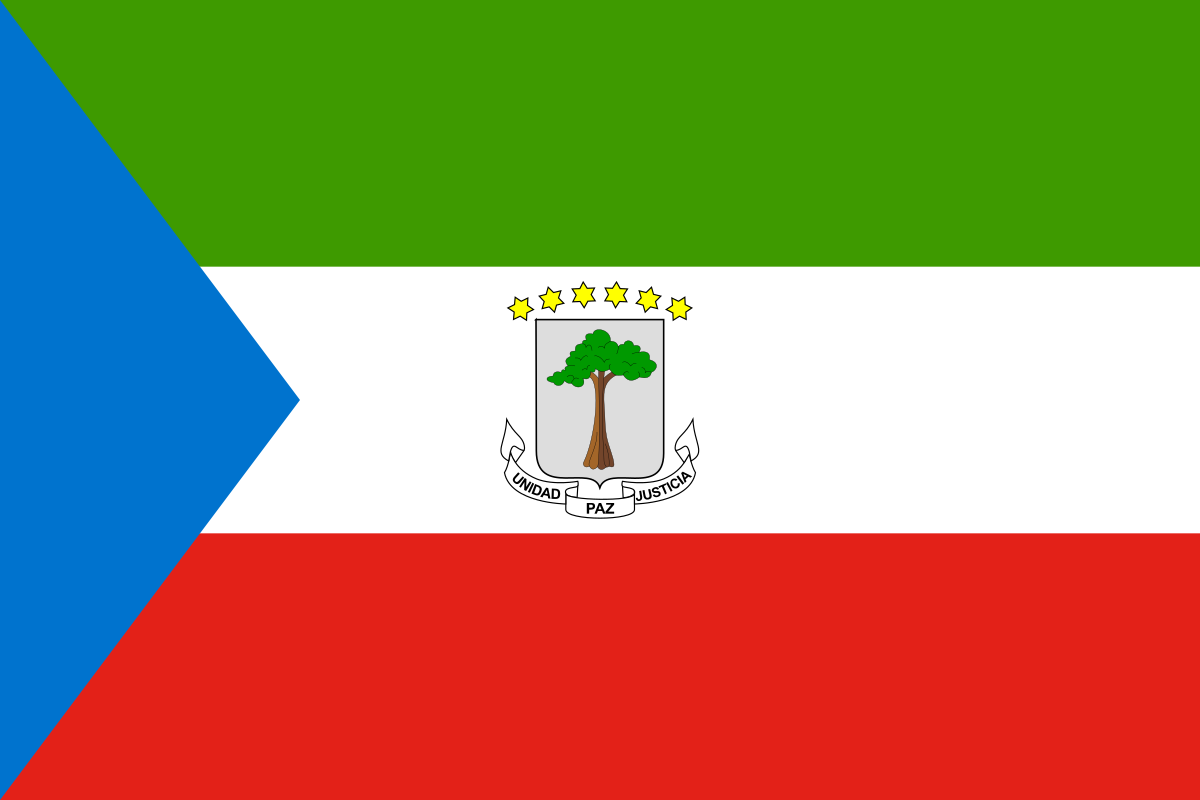 Equatorial Guinea
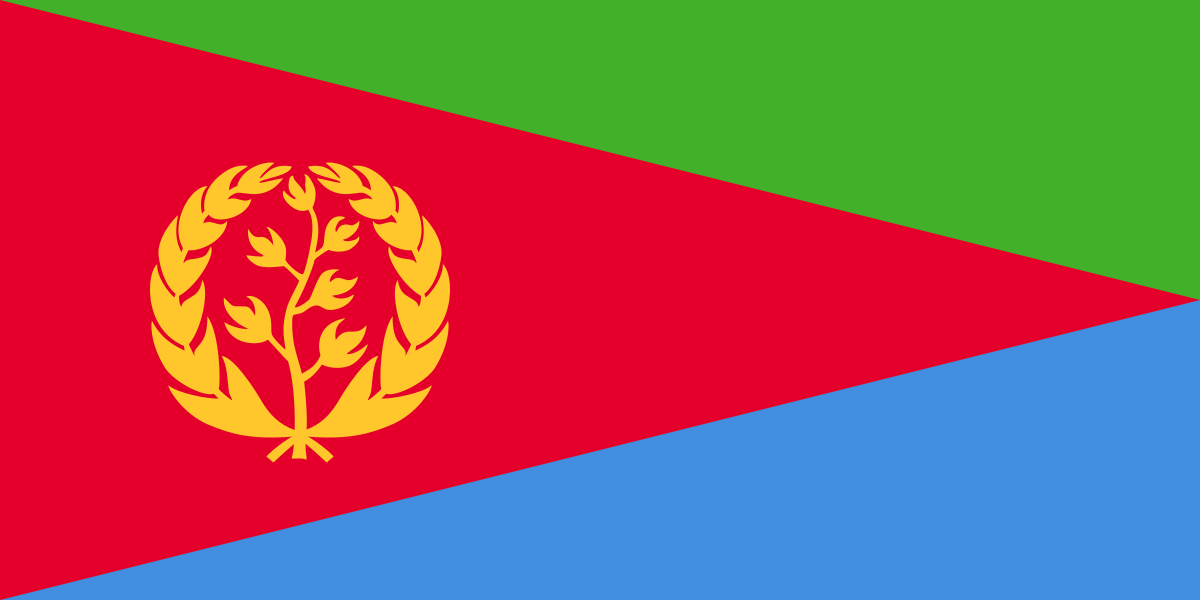 Eritrea
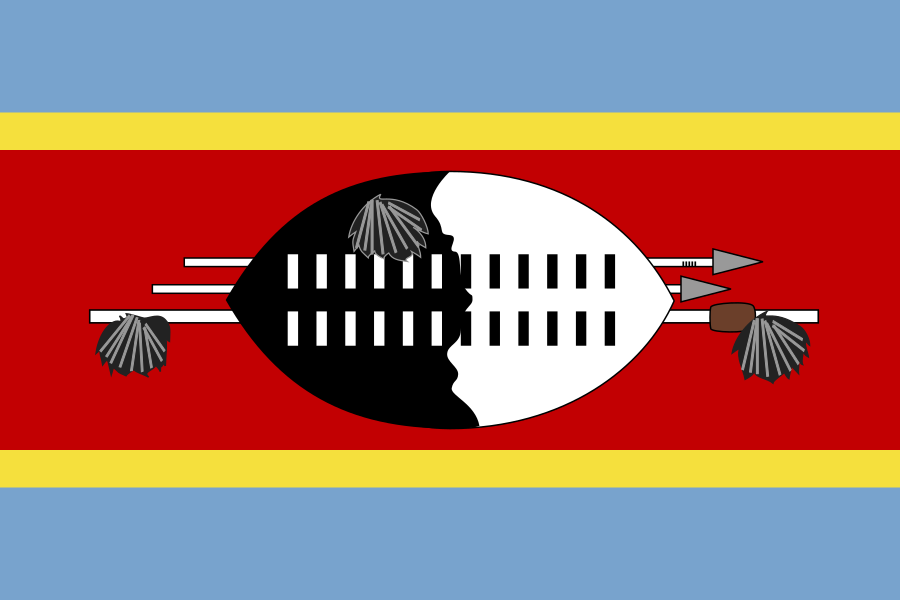 Eswatini
 Ethiopia
 Gabon
Gabon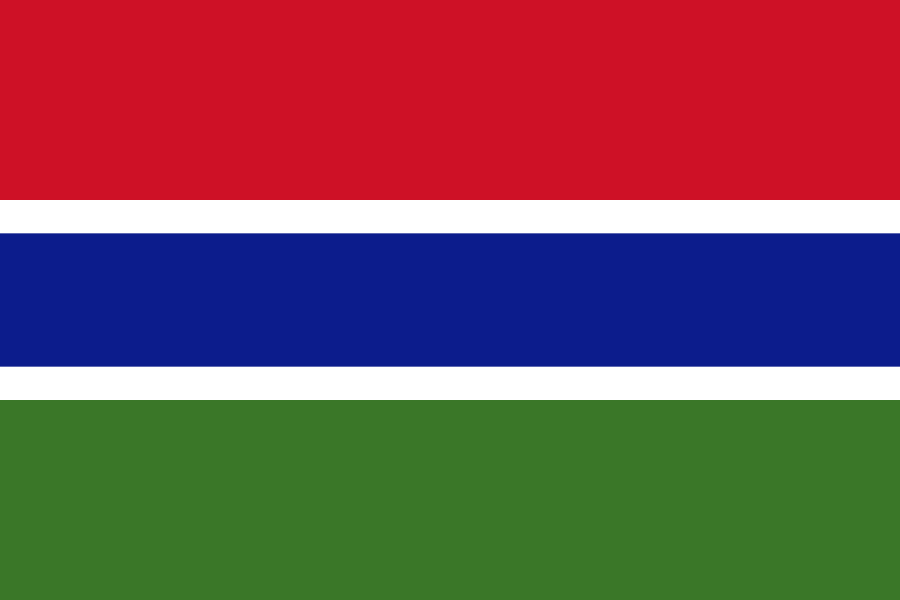 Gambia
 Ghana
Ghana Guinea
 Guinea-Bissau
 Kenya
Kenya Lesotho
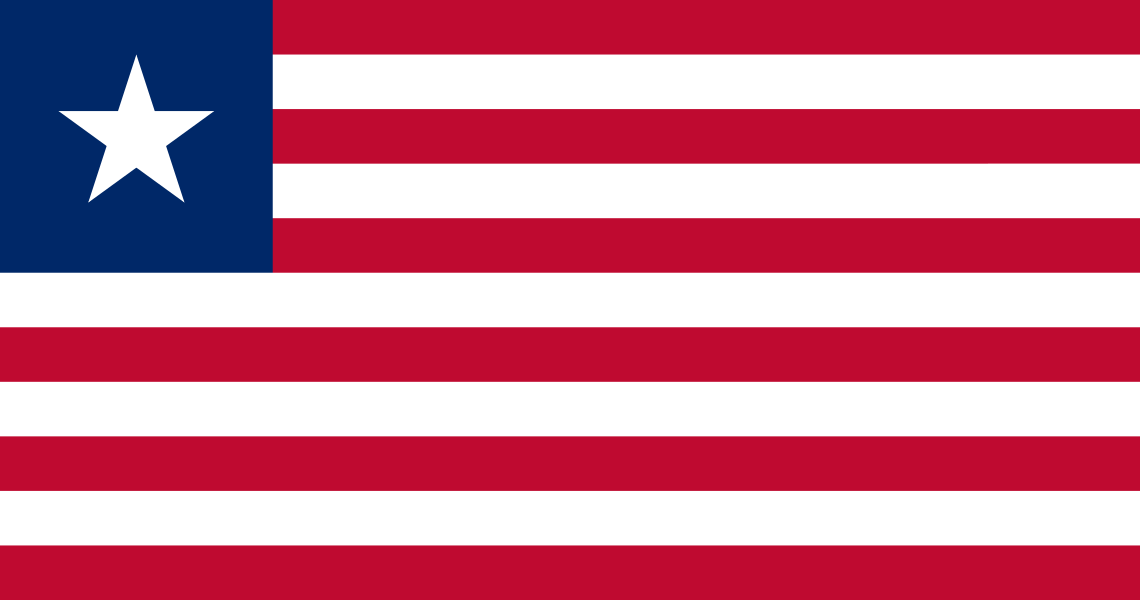 Liberia
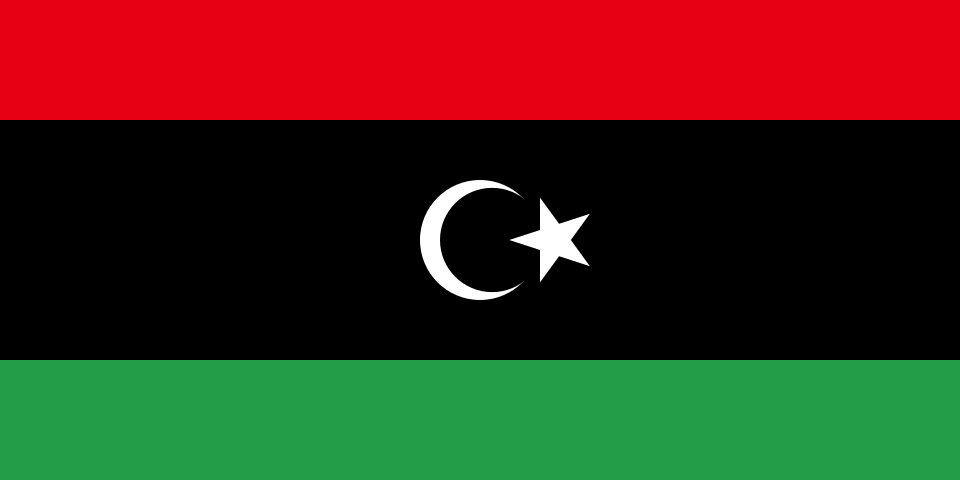 Libya
Libya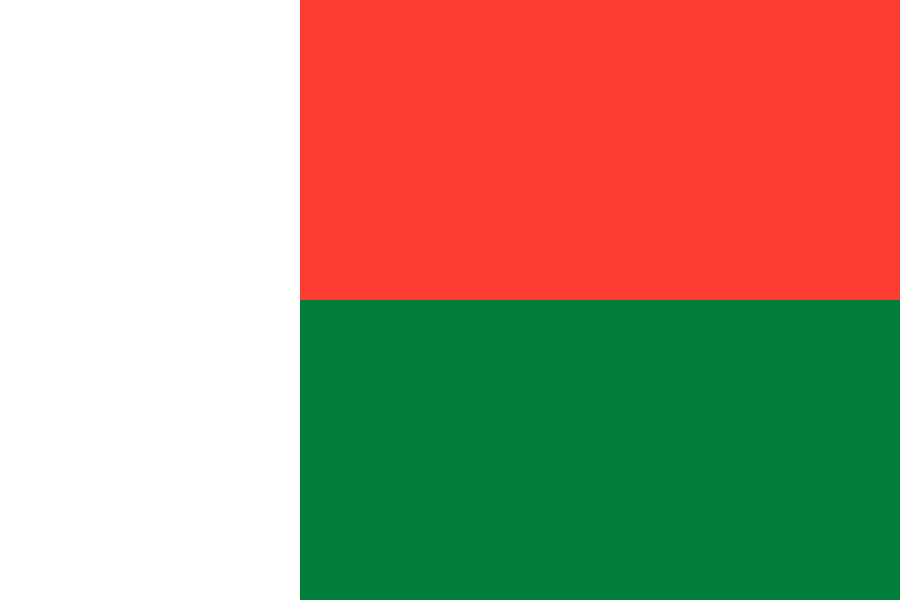 Madagascar
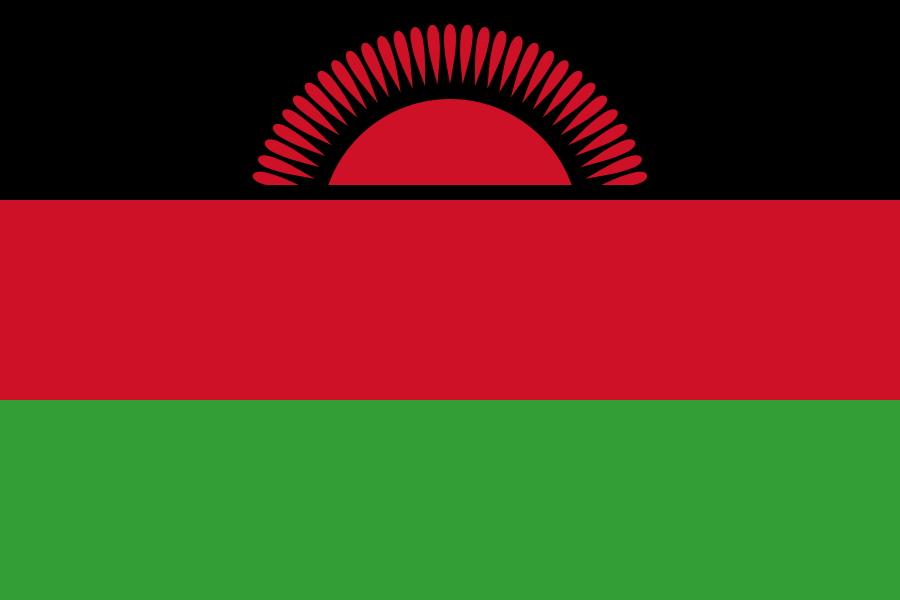 Malawi
 Mali
Mali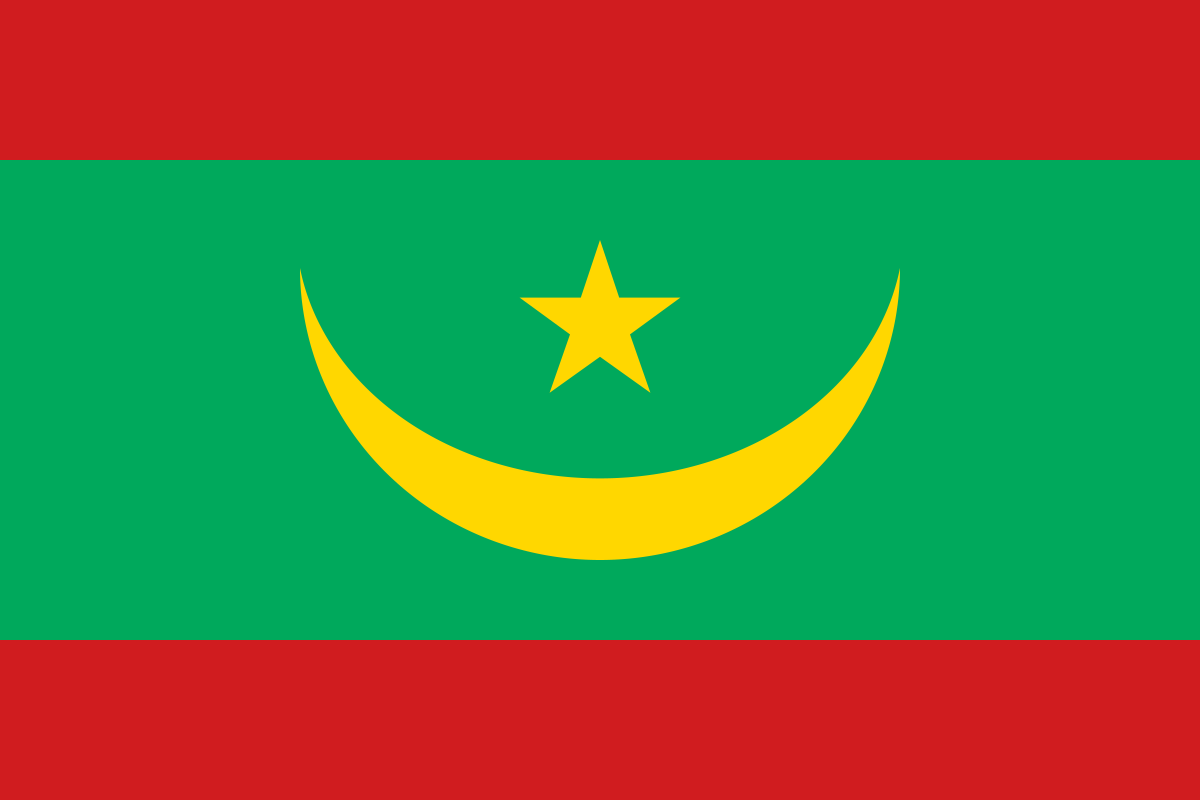 Mauritania
 Mauritius
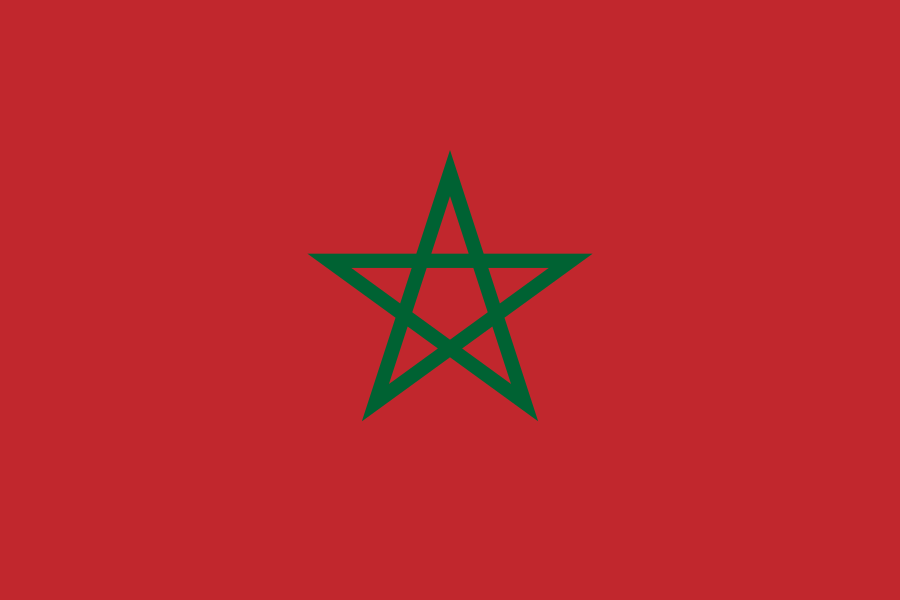 Morocco
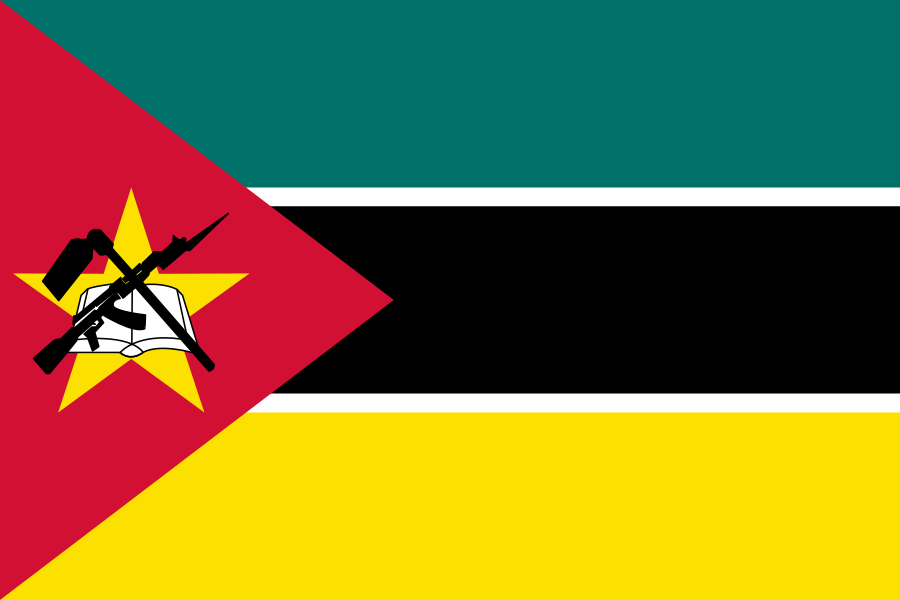 Mozambique
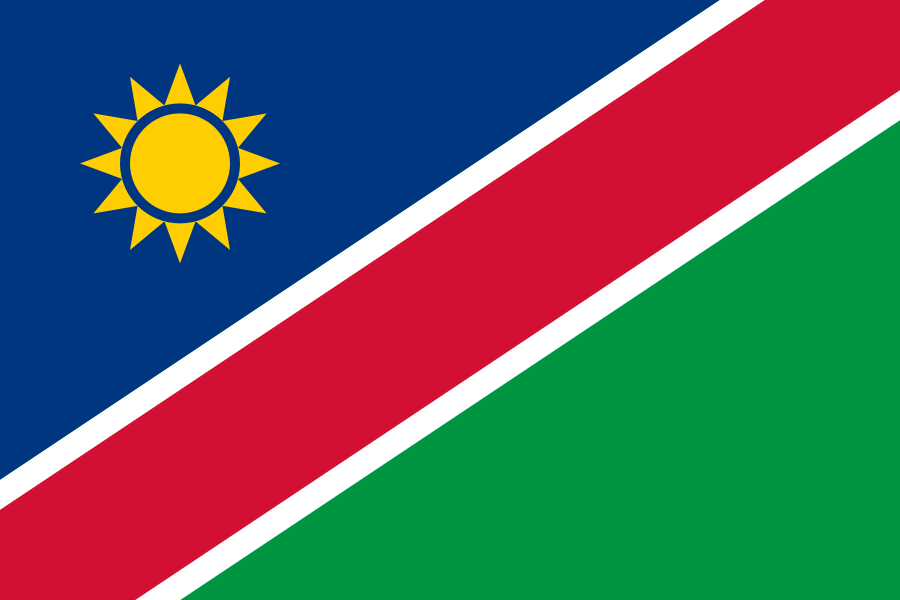 Namibia
 Niger
Niger Nigeria
 Republic of the Congo
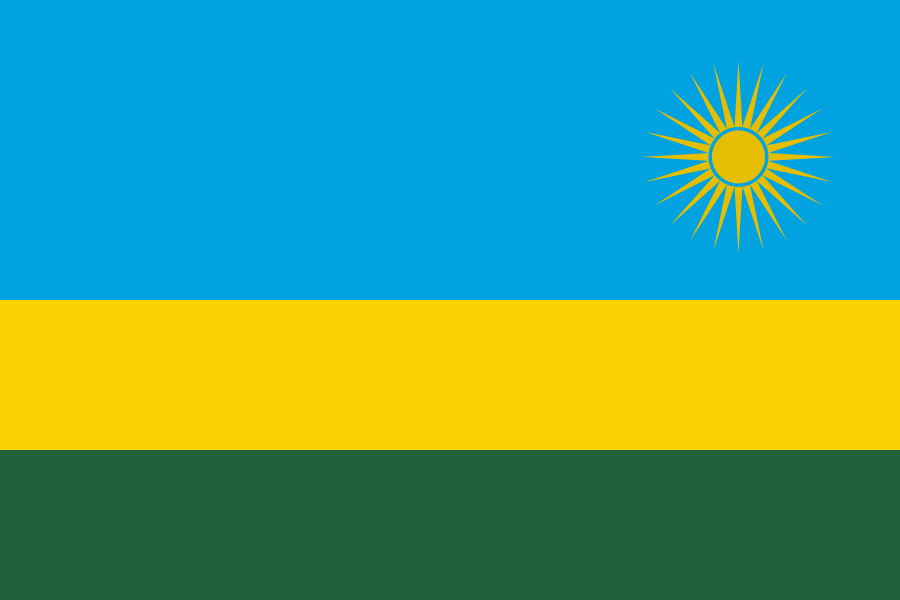 Rwanda
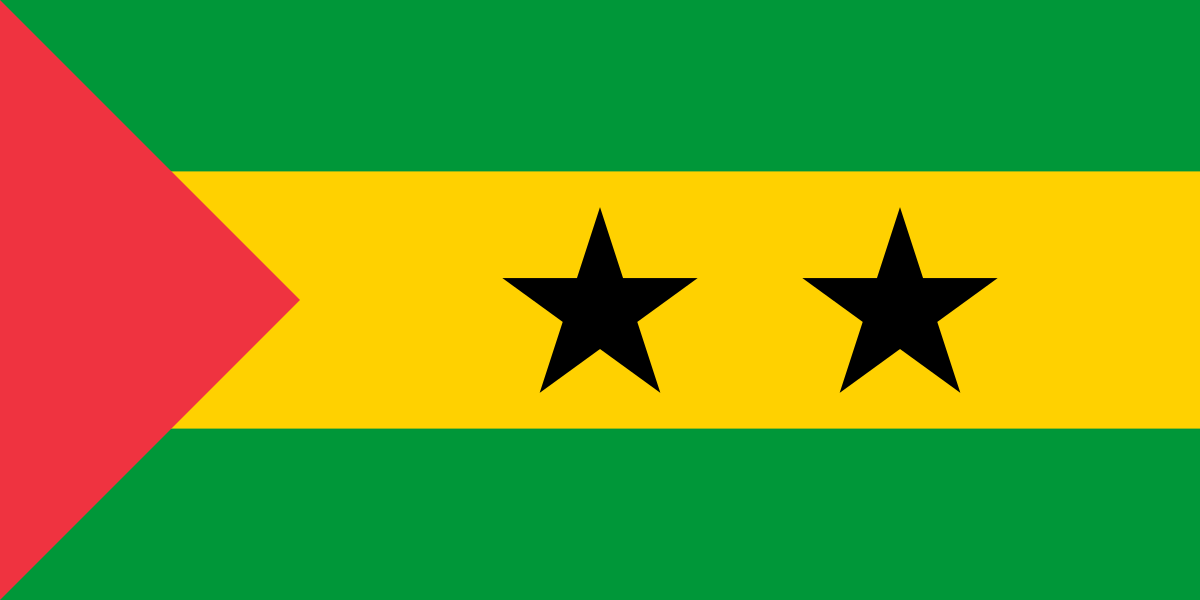 São Tomé and Príncipe
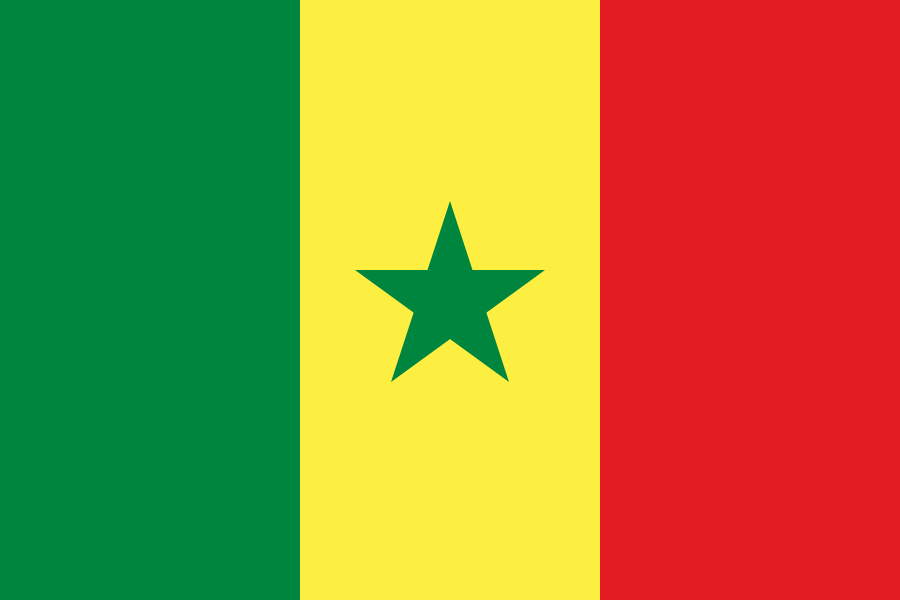 Senegal
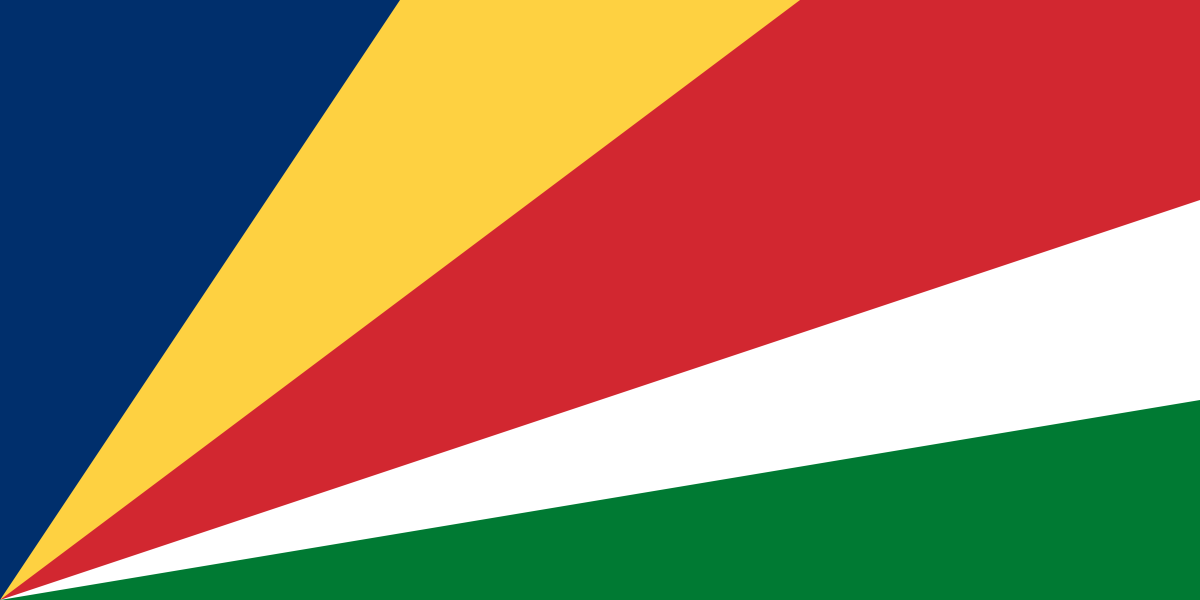 Seychelles
 Sierra Leone
 South Africa
 Tanzania
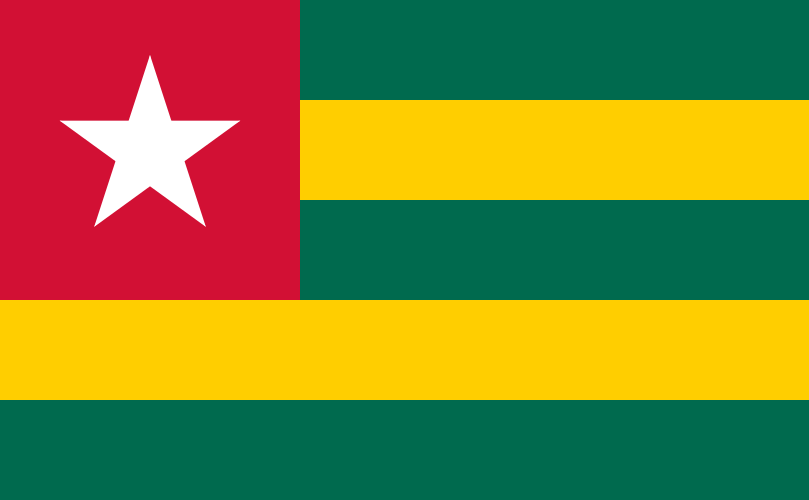 Togo
Togo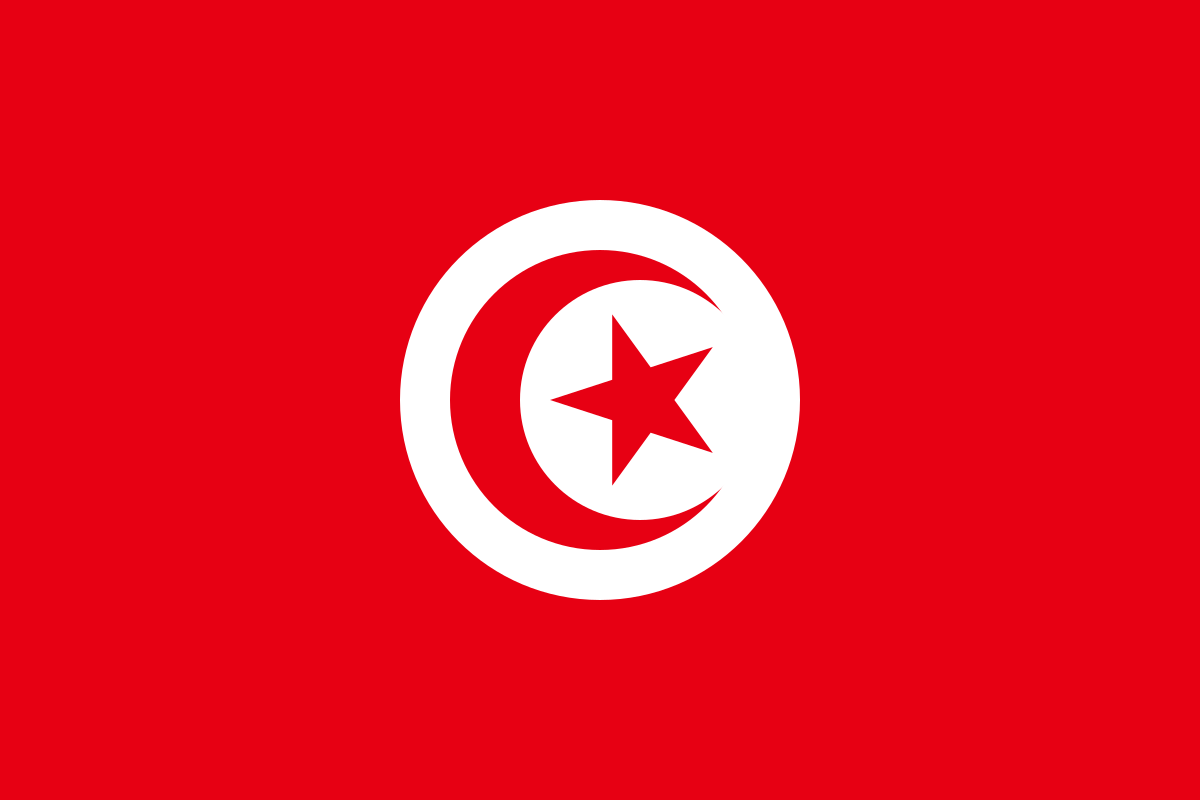 Tunisia
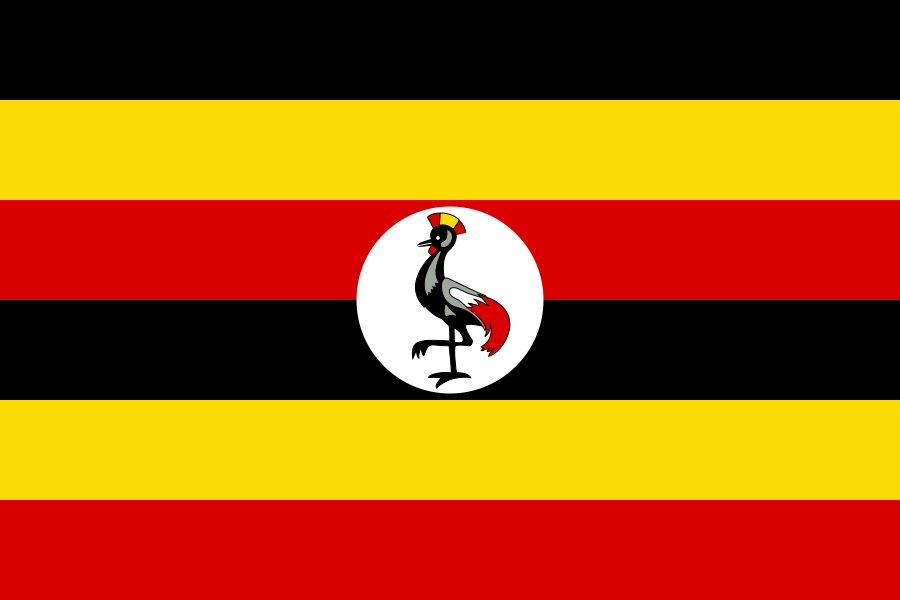 Uganda
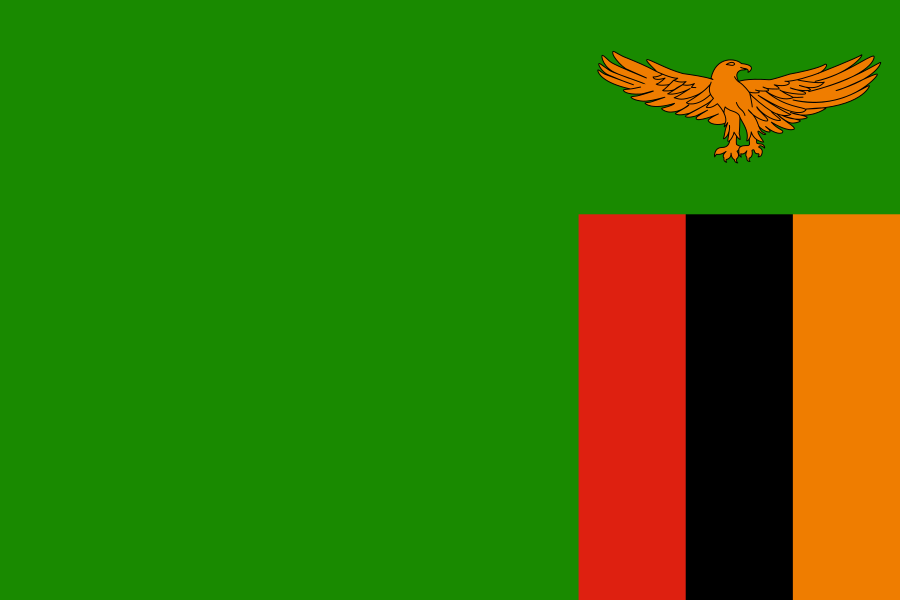 Zambia
 Zimbabwe
 United States
 Canada
 Mexico
 Trinidad & Tobago
 Barbados
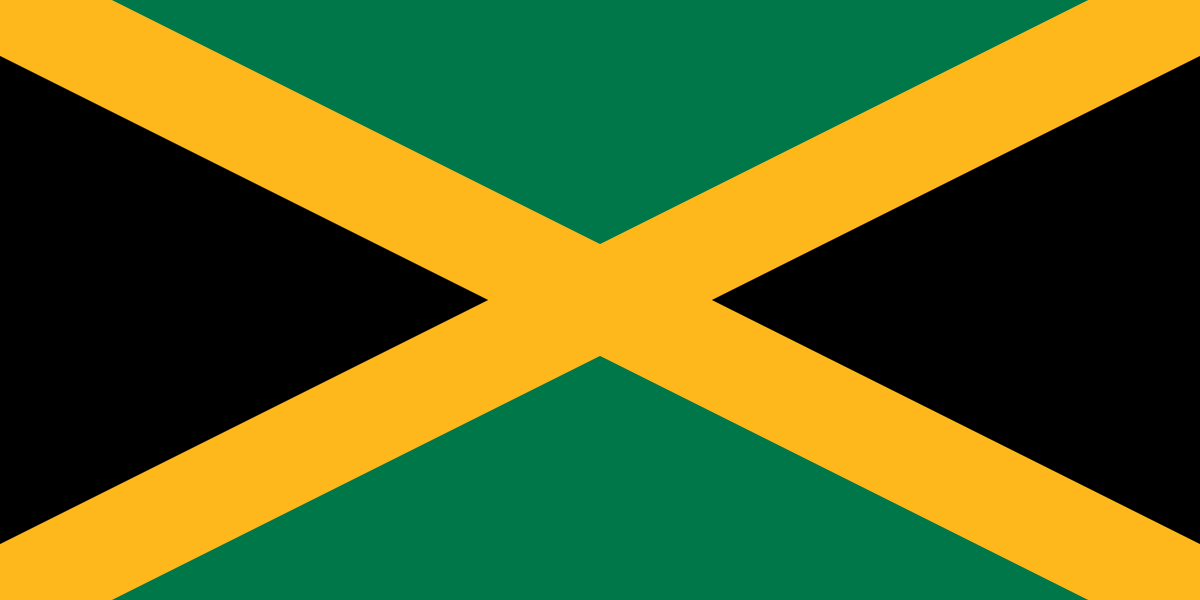 Jamaica
 Panama
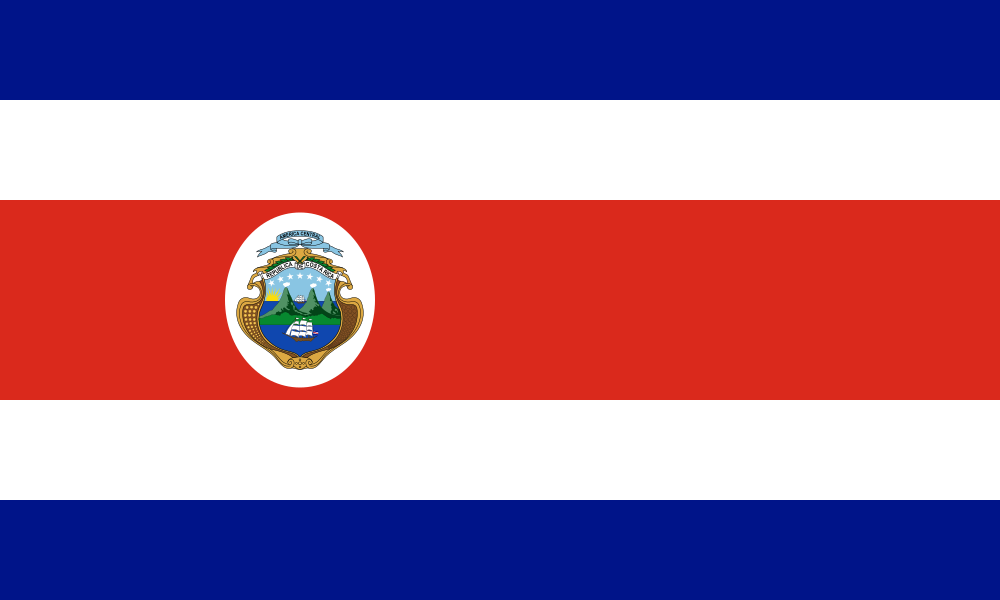 Costa Rica
 Antigua & Barbuda
 Bahamas
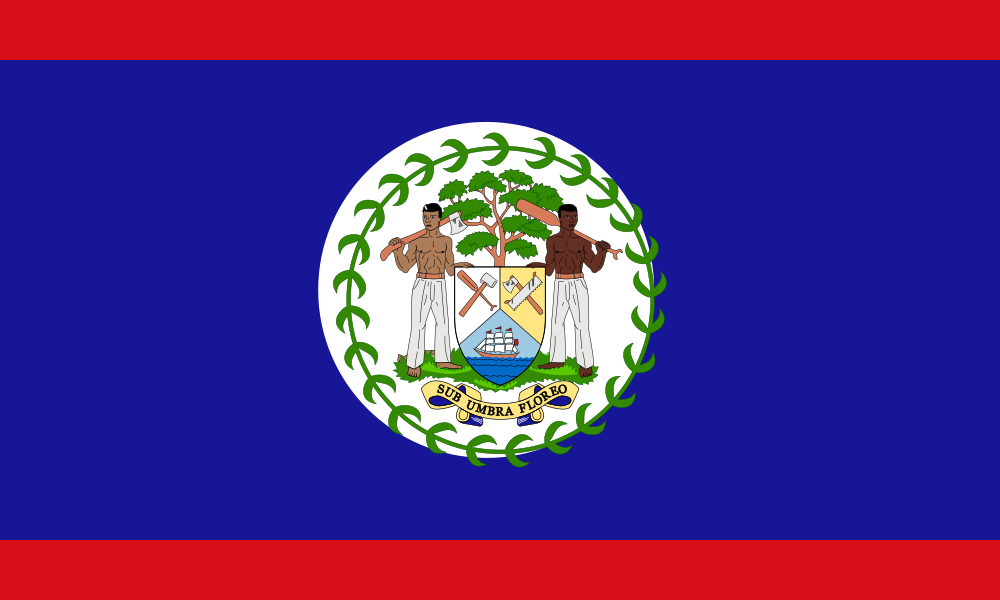 Belize
 Cuba
Cuba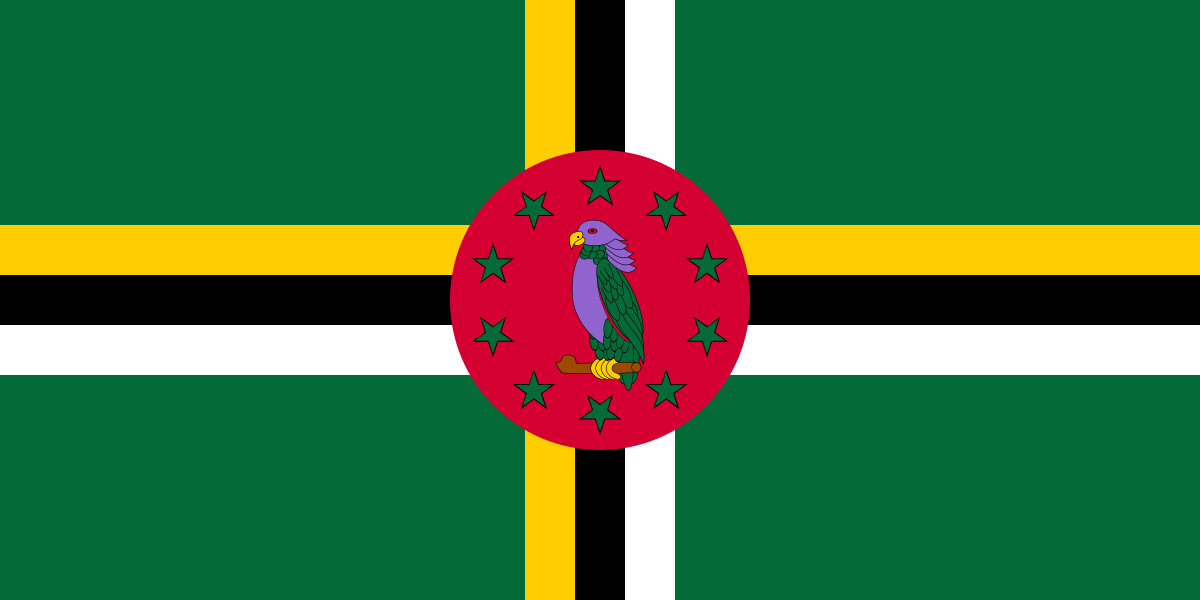 Dominica
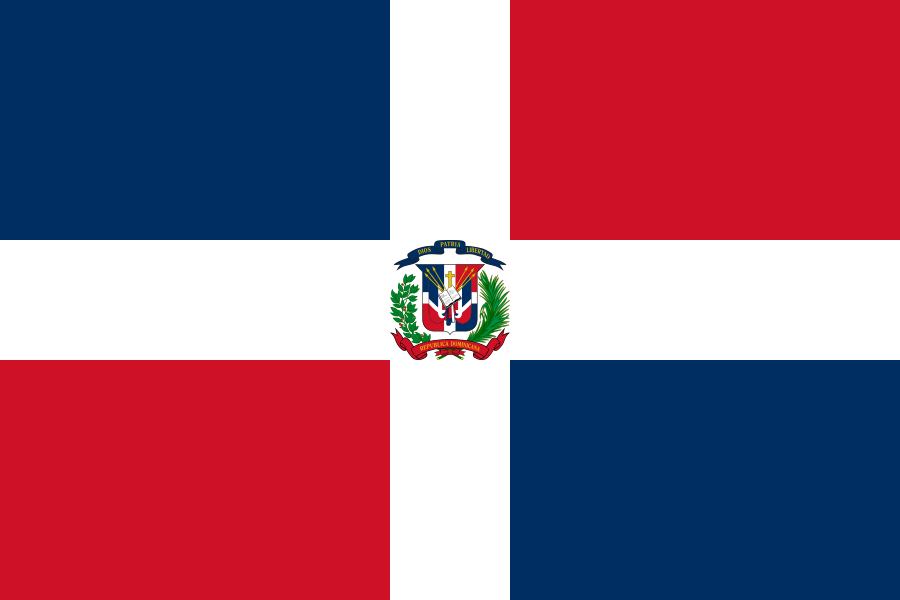 Dominican Republic
 El Salvador
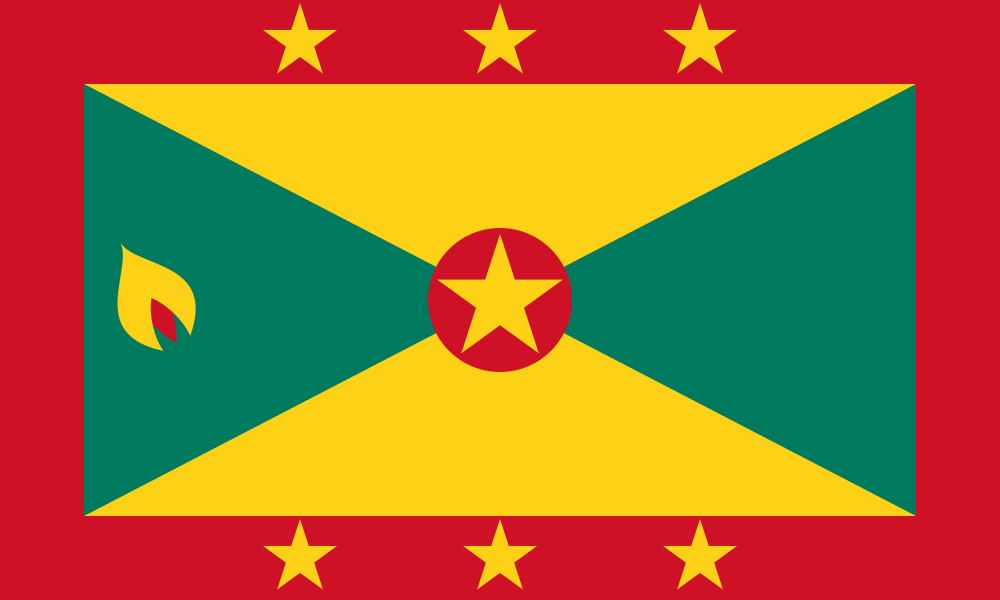 Grenada
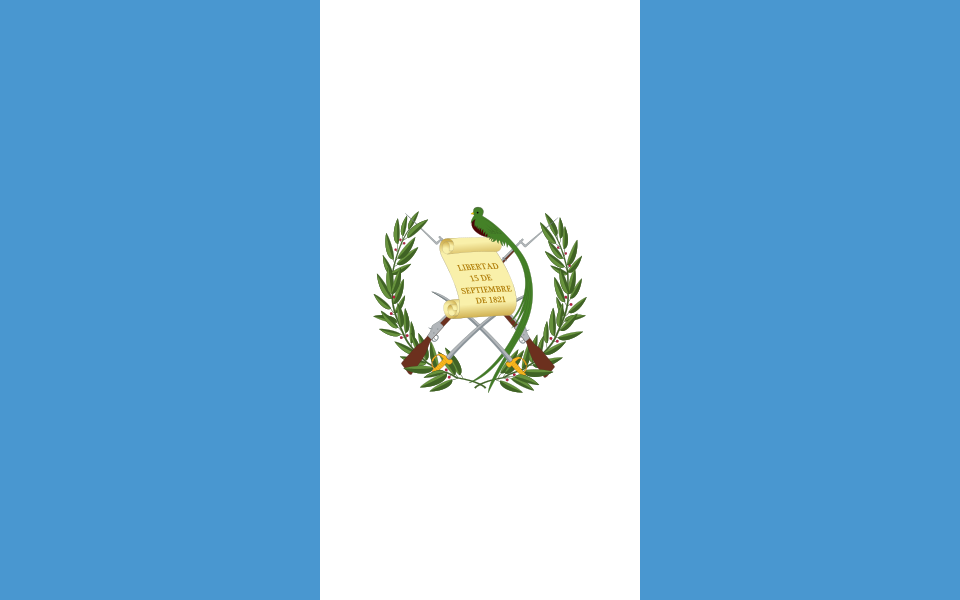 Guatemala
 Honduras
 Nicaragua
 Saint Lucia